The cows were bawling, the ground was cracking, and my well—the one that had never gone dry in 40 years—was nothing but dust and echoes.
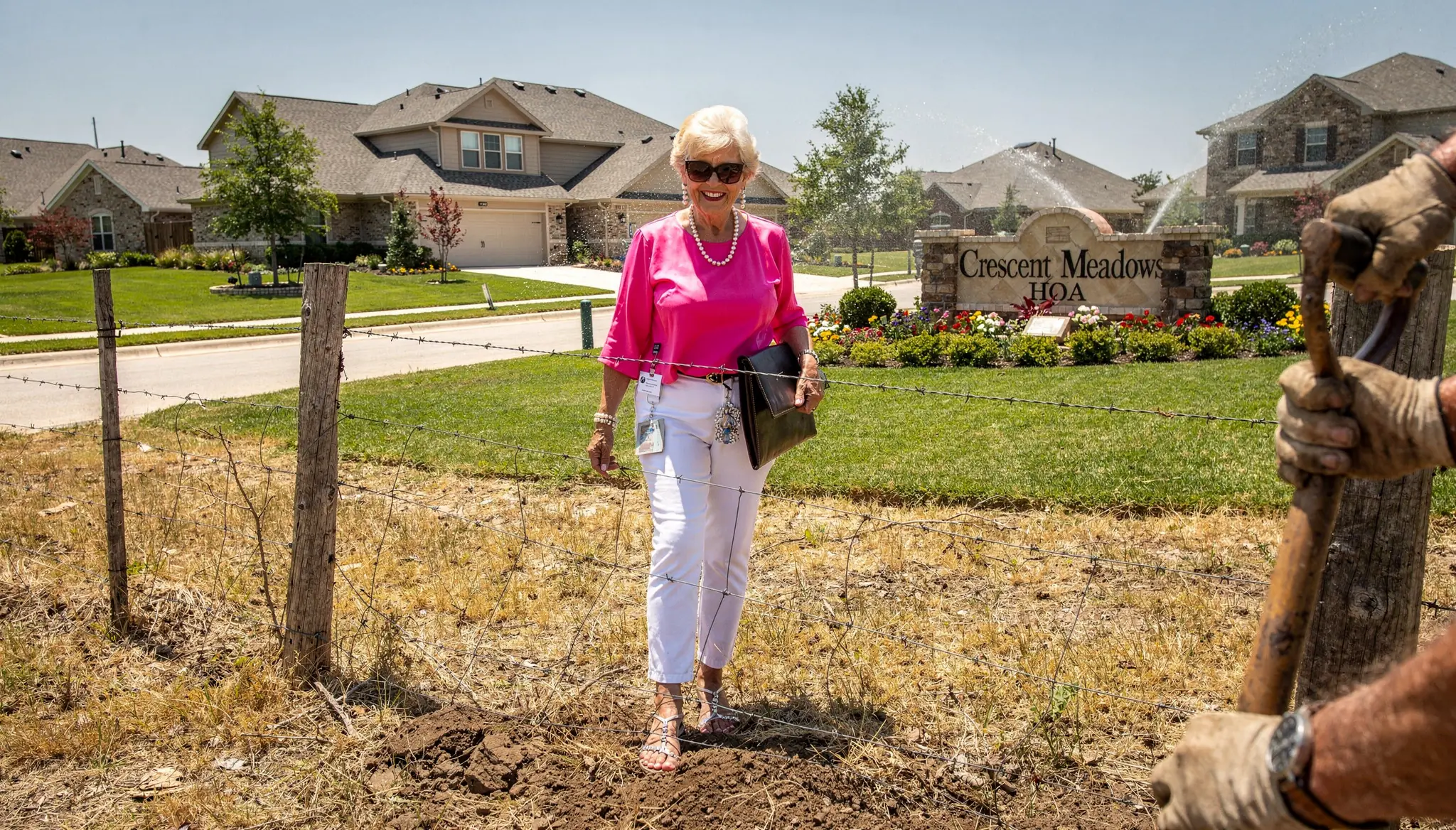
I remember standing there under the blazing Texas sun, the heat shimmering off the soil, my throat tighter than a rusted faucet. My irrigation pipes hissed out air instead of water. And just across the fence, I could hear it: sprinklers ticking, fountains splashing, and the laughter of HOA families cooling off under water I no longer had.
That's when I realized this wasn't a drought. This was theft.
And the thief was Sarah Murphy, the so-called queen of the HOA, who once tried to fine me because my barn didn't match the neighborhood aesthetic. That day, I swore I wouldn't just take back my water. I'd make sure they'd never waste another drop again. And trust me, when I was done, Sarah Murphy would have to ask my permission just to flush her pool.
For most of my life, I thought peace was simple: you plant what you love, you water it, and you mind your own damn business. But peace doesn't last long when the HOA moves in next door.
It started five years ago when the city decided to beautify the outskirts of our farming district. What that really meant was turning open land into high-priced cookie-cutter houses—the kind with plastic shutters, fake smiles, and real arrogance. They called it Crescent Meadows HOA, though there wasn't a single meadow left once they paved it all.
At first, I tried to be civil. I waved when I saw new neighbors, lent tools, even let kids come pet the calves. But soon after, the letters began showing up. The first one said my barn door color did not harmonize with community standards. The second one complained about my rooster creating a hostile sound environment. And the third one came with a $250 violation fine for having a tractor visible from the street.
Guess who signed every one of those notices? Sarah Murphy.
Sarah was the kind of woman who spoke like every word deserved applause: platinum blonde hair that could blind you in sunlight, pearl necklaces for mowing the lawn, and an ego that could fill a water tower. She ran the HOA like it was a kingdom, and she was the crowned queen.
I ignored most of her nonsense. My land wasn't part of the HOA, and she knew it. But that didn't stop her from trying to boss me around. She said my farm ruined the view for new buyers; I said her buyers ruined the soil. We didn't see eye to eye.
Then last summer hit, and it hit hard—the hottest one on record. The county declared a Stage 4 drought: no car washing, no lawn watering, no fountains, no exceptions. Every household got a strict water allotment. The local news showed lakes dropping to puddles.
But somehow, Crescent Meadows looked greener than ever.
Driving past the neighborhood felt like crossing into another planet. The air shimmered with sprinklers, kids ran through backyard misters, and Sarah's three-tier fountain gushed like Niagara Falls.
Meanwhile, my irrigation lines sputtered, my well pressure fell, and my crops—wheat, soy, and clover—were dying by the day.
At first, I thought maybe my well pump was getting old. So, I called up Earl Thompson, the only plumber in town who still answered the phone after sundown. Earl was a grizzled old man who didn't sugarcoat anything. He stomped around the property, tapping pipes with a wrench, squinting at gauges, and muttering curses that could curdle milk.
After an hour, he straightened up and said, "José, there ain't no leak here. You got yourself a thief."