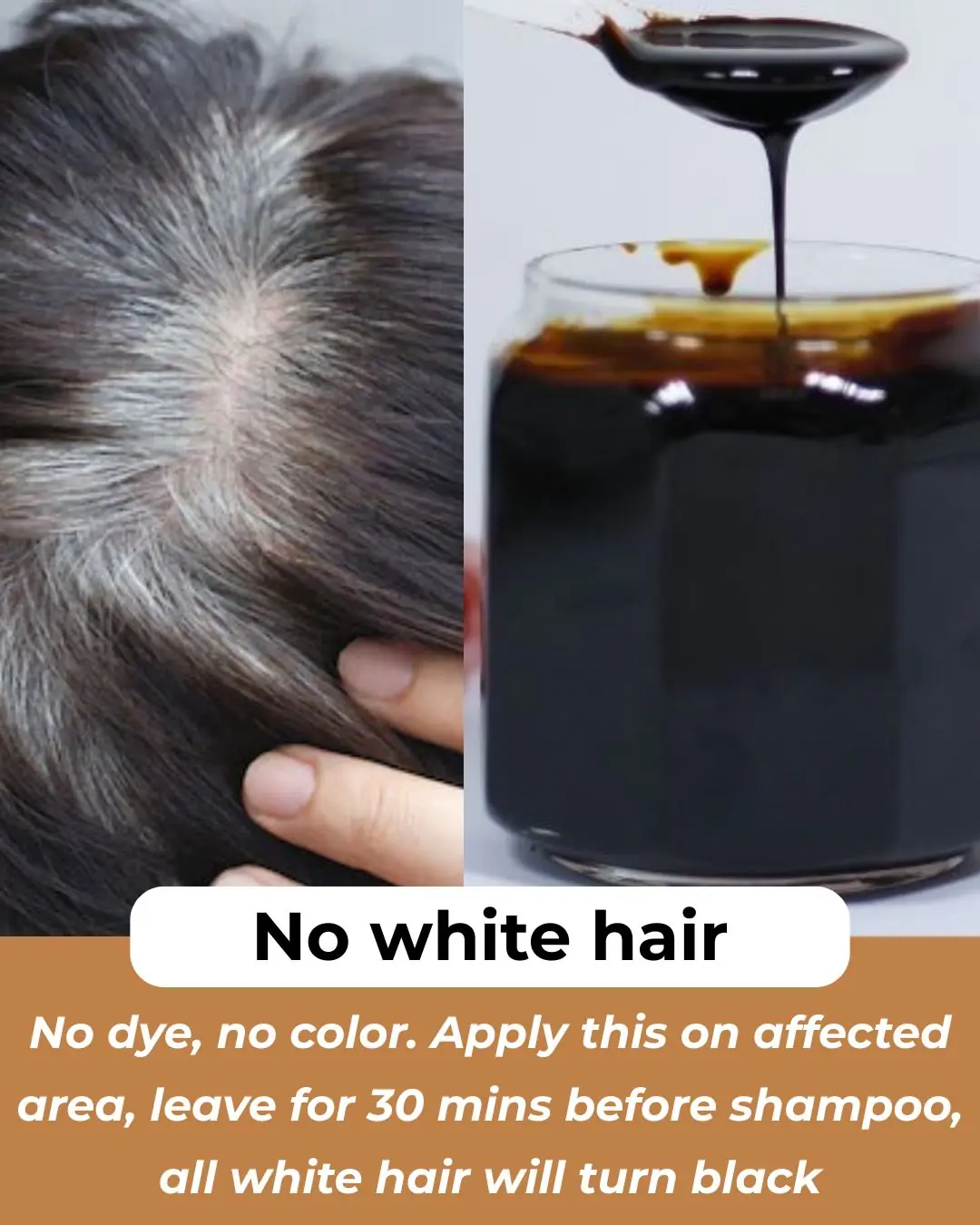
Roasted onion peel treatment for grey hair
Beatuty Tips 17/12/2025 09:35
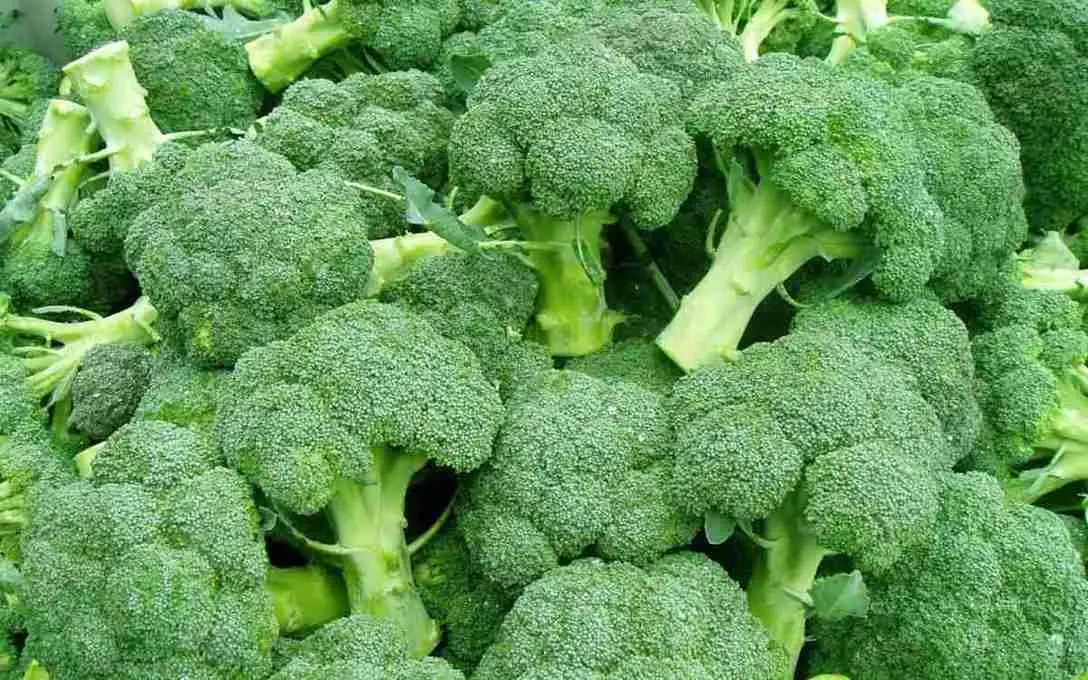
Broccoli is one of the most nutritious vegetables you can put on your plate—but it’s also one of the most misunderstood. Too often, it ends up limp, grayish, watery, and bland, earning a reputation it doesn’t deserve. When cooked correctly, broccoli should be vibrant green, lightly crisp, flavorful, and satisfying, with just enough tenderness to be enjoyable while still retaining its nutrients.
The secret to great broccoli isn’t complicated. It’s about choosing the right cooking method, respecting timing, and using heat wisely. Whether you prefer it steamed, boiled, sautéed, or roasted, broccoli can shine when handled with care.
This guide walks you through the best ways to cook broccoli—step by step—so it never turns soggy or sad again.
Broccoli’s biggest enemy is overcooking. Because it’s rich in water and delicate plant fibers, too much heat for too long causes:
Loss of bright green color
Mushy, unpleasant texture
Sulfur-like odors
Nutrient degradation, especially vitamin C
Broccoli cooks faster than most people realize. In many cases, minutes—not tens of minutes—make the difference between perfection and disappointment.
Time: 4–5 minutes
Result: Tender-crisp, bright green, lightly sweet
Steaming is one of the best methods for broccoli because it uses gentle heat without submerging the vegetable in water. This helps preserve both flavor and nutrients.
Cut broccoli into evenly sized florets to ensure uniform cooking.
Bring a small amount of water to a boil in a pot with a steamer basket.
Add broccoli, cover, and steam for 4–5 minutes.
Remove immediately once fork-tender but still firm.
Don’t overfill the basket—crowding traps steam unevenly.
Season after steaming with salt, olive oil, lemon juice, or garlic.
For extra flavor, toss with toasted sesame oil or grated parmesan.
Steamed broccoli should bend slightly when pierced with a fork—not collapse.
Time: 2–3 minutes
Result: Soft but vibrant (if handled correctly)
Boiling gets a bad reputation because broccoli is often left in water far too long. When done quickly and finished correctly, it can still produce excellent results.
Bring a large pot of well-salted water to a rolling boil.
Add broccoli and cook for no more than 2–3 minutes.
Immediately transfer to an ice water bath to stop cooking.
Drain thoroughly before seasoning.
The cold shock:
Locks in the green color
Stops residual heat from overcooking
Preserves a firmer texture
This method works especially well when broccoli will be added to salads, grain bowls, or stir-fries later.
Time: 5–7 minutes
Result: Lightly crisp with deep, savory flavor
Sautéing is ideal when you want broccoli to absorb flavor while keeping some bite. High heat and oil bring out its natural nuttiness.
Heat olive oil in a wide pan over medium-high heat.
Add broccoli florets and spread them out in a single layer.
Cook undisturbed for 2–3 minutes to allow browning.
Stir and cook another 3–4 minutes until tender-crisp.
Minced garlic or shallots
Lemon zest or a squeeze of lemon juice
Chili flakes or cracked black pepper
A splash of soy sauce or balsamic vinegar
Sautéed broccoli pairs beautifully with pasta, eggs, fish, or rice dishes.
Time: 20–25 minutes at 400°F / 200°C
Result: Crispy edges, caramelized flavor, tender centers
Roasting transforms broccoli completely. The dry heat caramelizes natural sugars, creating crispy bits and a subtly sweet taste.
Preheat oven to 400°F (200°C).
Toss broccoli with olive oil, salt, and pepper.
Spread evenly on a baking sheet—no overlapping.
Roast for 20–25 minutes, flipping once halfway.
Garlic cloves (added halfway to prevent burning)
Parmesan cheese during the last 5 minutes
Smoked paprika or cumin for depth
Roasted broccoli is excellent on its own or as a side to roasted meats and plant-based mains.
Cooking too long: The fastest way to ruin texture and color
Skipping salt: Broccoli needs seasoning to shine
Crowding the pan: Leads to steaming instead of browning
Ignoring the stems: They’re sweet, crunchy, and edible—just peel and slice
Broccoli is rich in:
Vitamin C
Vitamin K
Folate
Fiber
Antioxidants
Gentle methods like steaming and quick sautéing help preserve these nutrients, while excessive boiling can cause them to leach into water.
Broccoli doesn’t need complicated recipes or heavy sauces to be delicious. It needs respect for time, temperature, and technique. When cooked properly, it’s vibrant, flavorful, and deeply satisfying—not mushy, dull, or forgettable.
Whether you steam it for simplicity, sauté it for bold flavor, boil it quickly for flexibility, or roast it for irresistible crunch, one thing is clear: