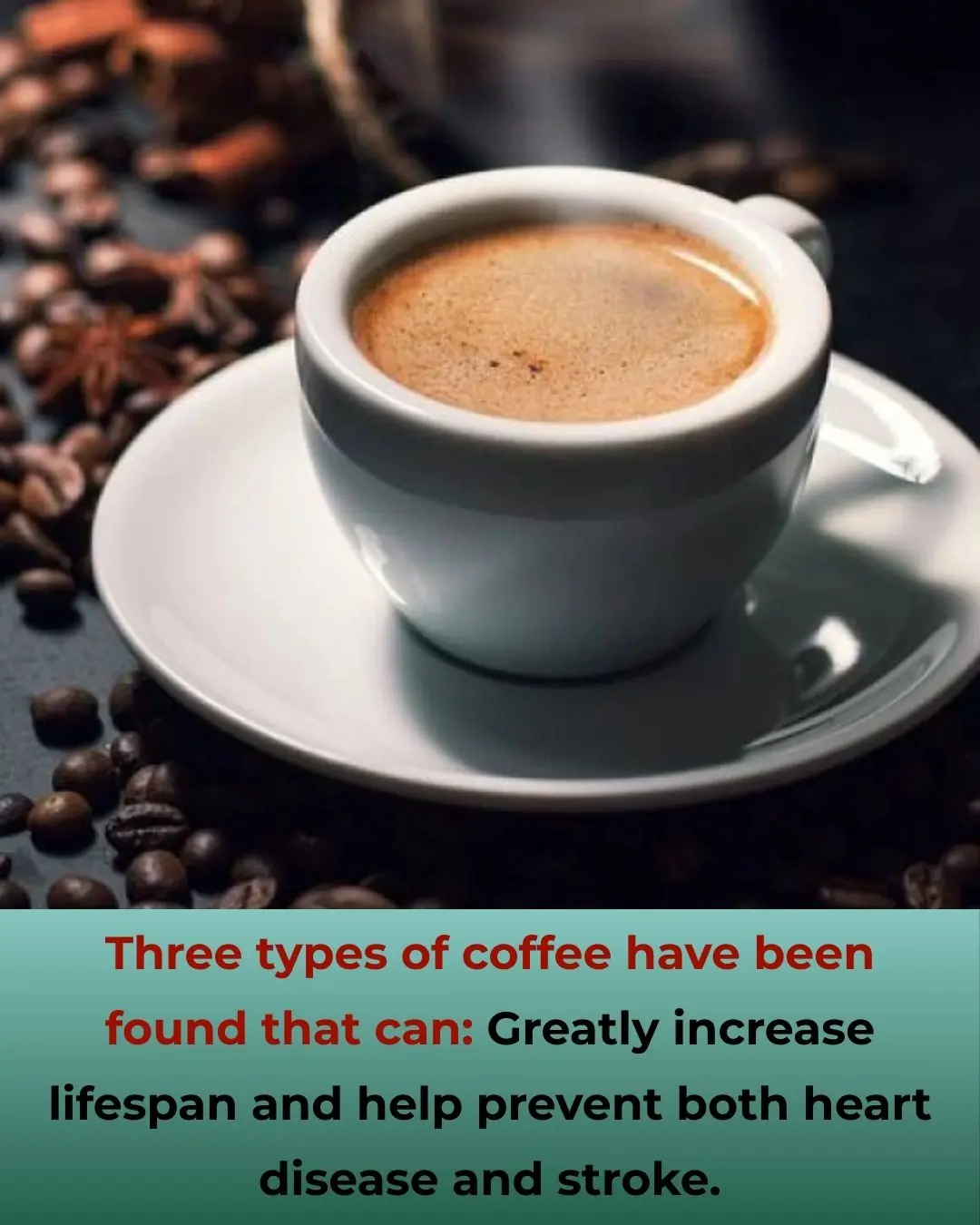
3 Types of Coffee That Can Boost Longevity and Help Prevent Heart Disease & Stroke
News 12/12/2025 22:38
Boiled water is often considered the safest option for drinking, but surprisingly, it can still “spoil” if left out too long. According to hygiene and epidemiology specialists, boiled water that sits for more than 24 hours may contain bacteria levels beyond recommended limits, posing potential health risks—especially in hot and humid climates like Vietnam.
Freshly boiled water is almost completely free of microorganisms thanks to the high temperature. However, this “clean” state is only temporary. Once the water cools down and is exposed to air, it can easily become recontaminated by bacteria from the environment, the container, or even from hands during pouring.
Many people believe that “boiled water stays safe indefinitely,” but experts say otherwise. After about 24 hours at room temperature, boiled water may no longer be hygienically safe. There are three key reasons:
Air contains countless microorganisms, fine dust particles, mold spores, and bacteria. As the water cools, these tiny particles can fall into the container. Under warm conditions (above 25°C) and with light exposure, bacteria multiply quickly.
Glass bottles, plastic jugs, and countertop filters can accumulate residue, slime, or biofilm along the walls if not cleaned thoroughly and regularly. When new water is poured in, the existing bacteria rapidly reproduce.
Plastic containers are even riskier—when exposed to sunlight or heat from the kitchen, they may release BPA or microplastics, which can disrupt hormones or affect long-term health.
Studies show that bacteria can multiply dramatically within 12–24 hours at room temperature. Common strains include E.coli, Coliform, and Pseudomonas aeruginosa, all capable of causing gastrointestinal upset or infections.
Boiling water does not eliminate all microorganisms. Some heat-resistant spores or cyanobacteria can survive, later “reviving” once the water cools. Heavy metals like lead, arsenic, or manganese—if present in untreated water—also remain and may settle at the bottom of the container over time.
Mild digestive issues: bloating, stomach discomfort, diarrhea
Disruption of gut microbiota
Higher risk of contamination when preparing baby formula
Exposure to chemicals from old or low-quality plastic bottles
In Vietnam’s climate, boiled water kept at room temperature—even in a closed container—should not be consumed after 24 hours.
If you prefer using cooled boiled water, follow these guidelines:
Use glass or stainless-steel containers; avoid old or low-quality plastic bottles.
Wash the container daily, rinse with hot water, and dry the lid thoroughly.
Never top up new water into old leftover water.
Keep containers closed immediately after pouring to prevent dust and insects from entering.
Boiling water once and using it for an entire week
Continuously adding new water to old water in a thermos or filter jug
Leaving countertop water filters outdoors or in direct sunlight
Reusing scratched or discolored plastic bottles
Believing boiled water “never goes bad,” even when it smells stale or develops a thin film on the surface
Short answer: No.
Boiled water stored for more than a day—especially at room temperature in plastic containers or loosely covered—can harbor bacteria and is no longer truly safe. While it may not cause immediate illness, regularly consuming lightly contaminated water can weaken the digestive system and impact long-term health.