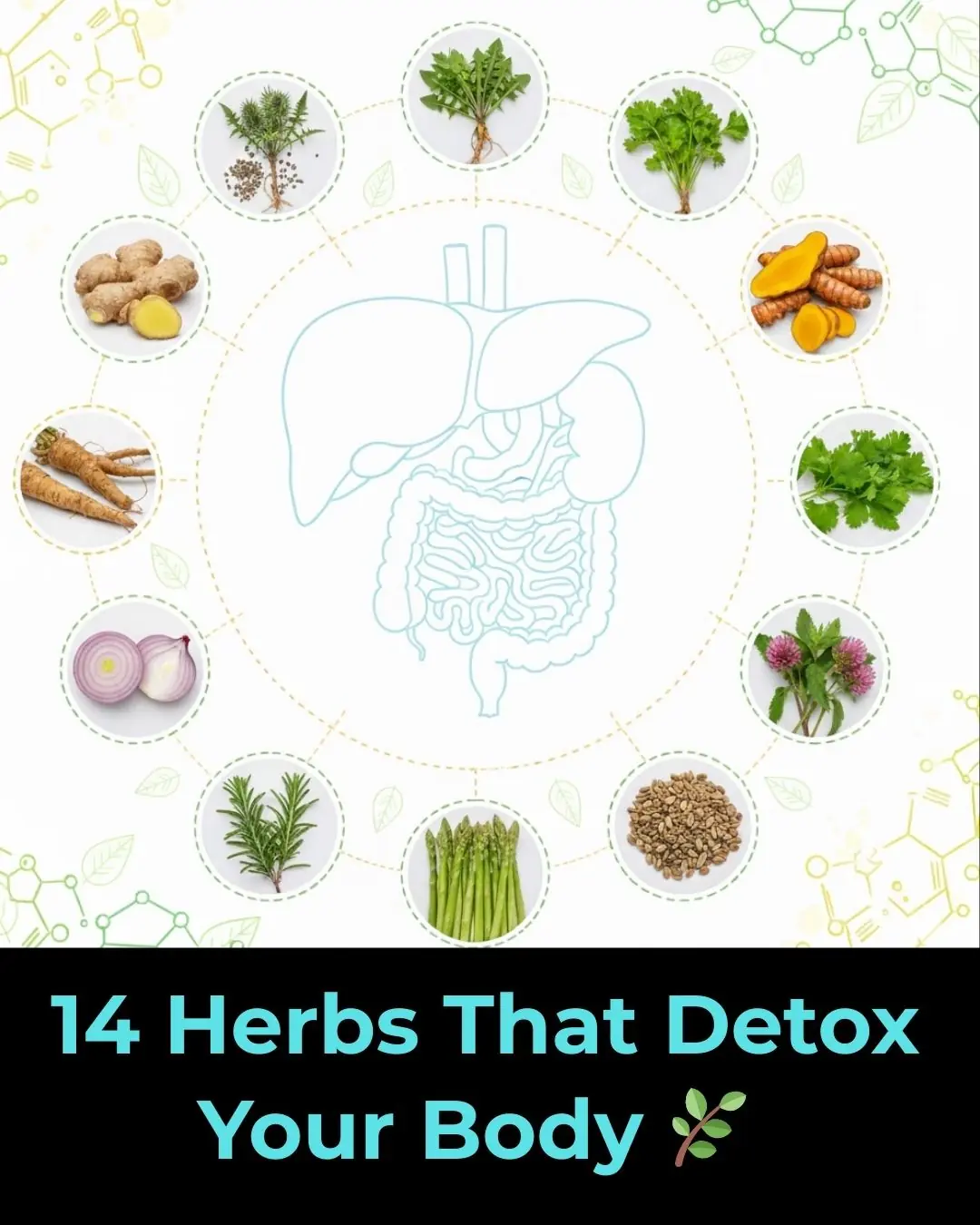
Science-Backed Herbs That Cleanse and Protect Your Body
News 12/12/2025 21:44
In recent years, nutrition science has increasingly emphasized the value of whole foods—not only for their natural vitamins and minerals but also for their unique bioactive compounds that behave similarly to concentrated supplements. The infographic “14 Vegetables That Act Like Vitamins” highlights some of the most nutrient-dense vegetables known for supporting immunity, gut health, skin repair, brain performance, and more. Modern research supports many of these claims, showing how everyday vegetables function almost like nature’s vitamin capsules.
Red bell peppers contain some of the highest vitamin C levels found in vegetables, often even surpassing citrus fruits. Vitamin C plays a vital role in immune function, collagen synthesis, and antioxidant defense. Research published in the American Journal of Clinical Nutrition shows that high-vitamin-C vegetables significantly reduce oxidative stress and inflammation. Their carotenoids also contribute to improved eye and skin health.
Spinach is rich in vitamins A, C, K, folate, iron, and magnesium, making it one of the most comprehensive nutrient sources in the plant kingdom. Compounds like lutein and zeaxanthin have been shown in studies by the Journal of the Academy of Nutrition and Dietetics to protect the retina and reduce age-related vision decline. Its folate content supports cognitive function and cell regeneration.
Famous for their beta-carotene content, carrots help the body produce vitamin A, essential for vision, skin barrier repair, and immune function. Beta-carotene’s antioxidant properties have been validated in numerous studies, including those summarized by the National Institutes of Health (NIH), showing improved epithelial health and reduced risk of certain chronic diseases.
Broccoli delivers sulforaphane, a compound known for its potent detoxifying effects. Research from Johns Hopkins University has shown that sulforaphane activates pathways that help the body clear toxins, reduce inflammation, and protect healthy cells from environmental stress. Its combination of fiber, vitamin C, and phytonutrients makes it a functional “detox vitamin.”
Mushrooms, especially when exposed to light, can produce vitamin D2—a unique ability among vegetables. Studies in the Journal of Nutrition confirm that mushroom-derived vitamin D can help maintain healthy bones, support immune function, and improve mood regulation. They also provide B vitamins and selenium, important for energy metabolism and antioxidant defense.
Asparagus contains natural folate, which acts like a cell-renewal vitamin. Folate is essential for DNA repair, red blood cell development, and prenatal health. Research published in the Nutrients journal highlights asparagus as one of the most folate-dense vegetables, associated with improved cognitive performance and reduced neural inflammation.
Kale provides a rare combination of vitamin K, calcium, and magnesium—three nutrients that work synergistically to strengthen bones. Vitamin K is crucial for bone mineralization, and research from the Harvard School of Public Health emphasizes its role in reducing fracture risk and supporting long-term skeletal health. Its antioxidants also support cardiovascular function.
Garlic has long been used as a medicinal food, and modern science validates its antibacterial, antiviral, and anti-inflammatory properties. A review in the Journal of Antimicrobial Chemotherapy shows that allicin, the main bioactive compound in garlic, can inhibit harmful bacteria and support immune resilience. Garlic also benefits heart health by reducing blood pressure and improving cholesterol balance.
Sweet potatoes are loaded with beta-carotene, vitamin E, and antioxidants that promote skin repair and radiance. According to the International Journal of Cosmetic Science, beta-carotene helps protect the skin from UV damage, while vitamin E supports moisture retention and healing. Their slow-release carbohydrates also stabilize energy throughout the day.
Cabbage contains glutamine and other anti-inflammatory compounds that nourish the digestive lining. Fermented cabbage (sauerkraut) introduces probiotics that enhance gut microbiota diversity. Research from the World Journal of Gastroenterology highlights cabbage’s ability to reduce gastric irritation and support overall digestive health.
Cauliflower’s high choline content supports memory function and neurotransmitter production. Studies in the American Journal of Clinical Nutrition connect adequate choline intake with improved cognitive performance and reduced age-related cognitive decline. Its antioxidant profile further protects brain cells from oxidative stress.
Beets contain nitrates that increase nitric oxide production, helping expand blood vessels and improve oxygen flow. Research published in the Hypertension Journal confirms that beetroot consumption can significantly lower blood pressure and enhance athletic performance by improving circulation and stamina.
Tomatoes are one of the richest sources of lycopene, a powerful antioxidant linked with reduced inflammation and cardiovascular protection. According to the British Journal of Nutrition, lycopene lowers LDL oxidation and reduces the risk of heart disease. Tomatoes also provide vitamin C and potassium, essential for vascular health.
Watercress contains high levels of vitamin K, iron, and antioxidants that support blood formation and bone strength. A study in the American Journal of Clinical Nutrition found that watercress significantly increases the body’s antioxidant status, helping reduce free radical damage after physical activity.
These 14 vegetables demonstrate how whole foods naturally mimic the benefits of isolated vitamins—often with greater effectiveness due to their synergistic nutrients and bioactive compounds. Incorporating a variety of these vegetables into everyday meals offers a simple, scientifically supported way to nourish the body, strengthen immunity, and maintain long-term vitality.