Just Two Ice Cubes: A Simple Trick for Softer, More Fragrant Rice

Cooking rice may seem simple, but achieving rice that is both soft and aromatic is not as easy as many people think. A surprisingly effective kitchen trick requires only two ice cubes—and the result can be unexpectedly impressive.
The “Golden” Benefit of Adding Ice Cubes to Rice
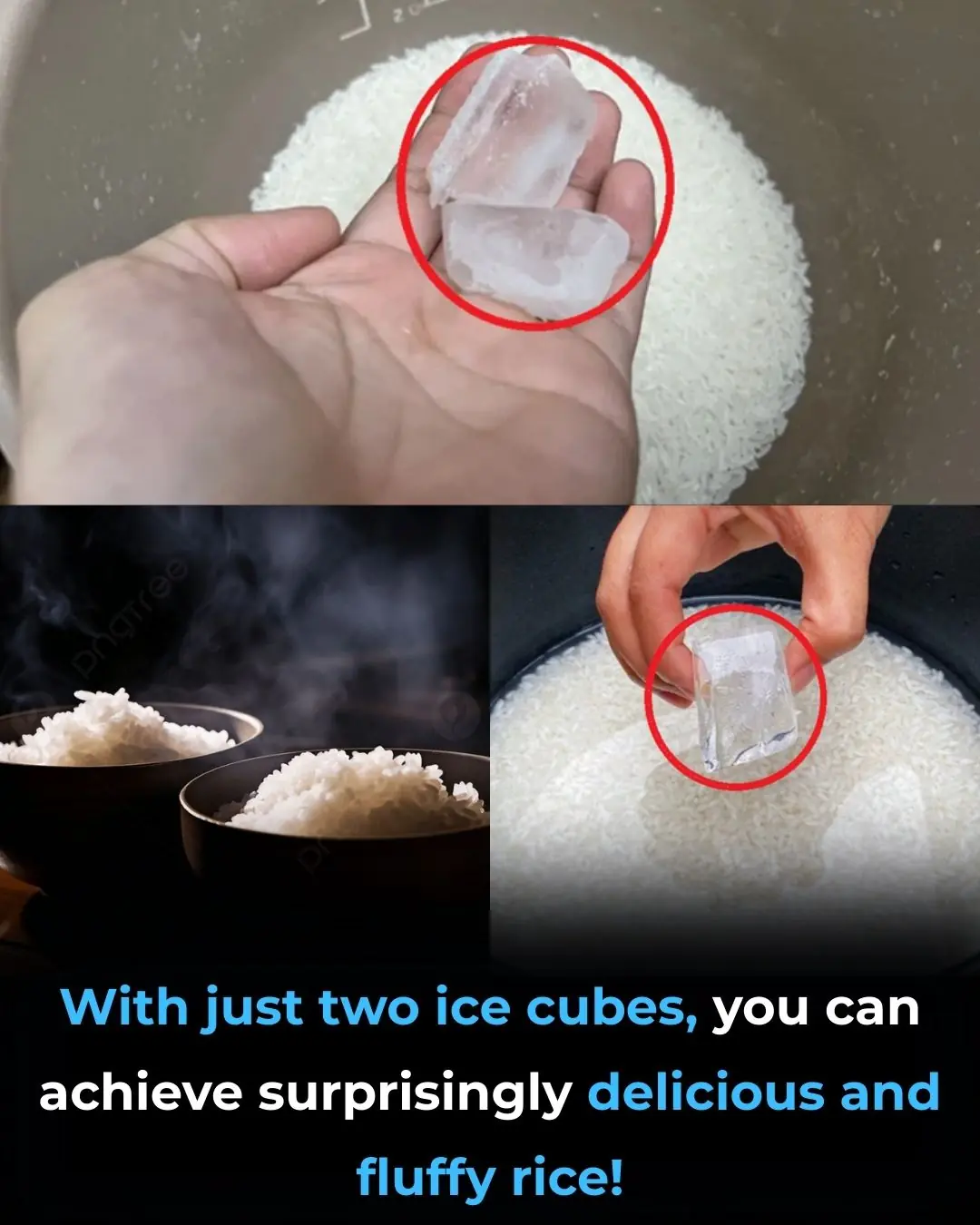
It may sound unusual, but adding ice cubes to rice before cooking can significantly improve texture and flavor. After rinsing the rice and draining excess water, place two ice cubes into the pot and let it sit for about 15 minutes before starting the cooking process.
According to Japanese culinary experts, the low temperature from the ice slows the rice’s water absorption, allowing the grains to cook more evenly. This helps the rice become soft and fluffy without turning mushy. In addition, the cooler temperature encourages the formation of amino acids, which contribute to the rice’s natural sweetness, while reducing enzyme activity that can dull flavor. The result is rice that tastes richer and smells more fragrant than with conventional cooking methods.
Choosing the Right Rice: The First Step to Perfect Results
The quality of the rice itself plays a major role in the final dish. Keep the following tips in mind:
-
Choose fresh, seasonal rice: Older rice tends to lose its natural aroma and sweetness.
-
Check the appearance: Good-quality rice has evenly shaped grains, consistent color, and minimal breakage. Avoid rice that appears unnaturally white or has yellow or dark discoloration.
-
Smell and taste test: High-quality rice has a mild, pleasant aroma and a subtle natural sweetness when chewed.
Rinse Rice Properly to Preserve Nutrients
Many people rinse rice repeatedly, believing this makes it cleaner. In fact, over-washing can remove valuable nutrients. Vitamin B1, along with proteins, lipids, and minerals, is concentrated near the outer layer of the rice grain. Vigorous rubbing can wash these nutrients away.
The correct method is to gently rinse the rice one or two times—just enough to remove surface dust.
Ice Cubes in the Kitchen: More Than Just for Rice
Ice cubes are not only useful for cooking better rice. They can also serve as a handy kitchen tool in several other ways:
-
Reducing excess oil in dishes: Adding a few ice cubes to hot dishes or chilling cooked food with ice in the refrigerator for about 30 minutes allows fat to solidify and be easily removed.
-
Keeping vegetables crisp and vibrant: After boiling vegetables, immediately transfer them to ice water to preserve their crunch and bright color.
-
Reducing onion sharpness: Soaking sliced onions in ice water (optionally with a few drops of lemon juice) for 15–20 minutes helps reduce pungency and improves texture.
Conclusion
With just two ice cubes and a few small adjustments, everyday cooking can become more refined. This simple trick not only enhances the texture and aroma of rice but also shows how small changes in the kitchen can make a big difference in flavor and quality.

News in the same category


Harvard Doctor Reveals Foods You Should Avoid to Prevent Inflammation

Doctor Warns of Mesotherapy’s Risky Side, Causing Reptile-Like Skin

If you buy corn and don't finish it, boil it first before freezing it or put it straight into the freezer – this is the professional way.

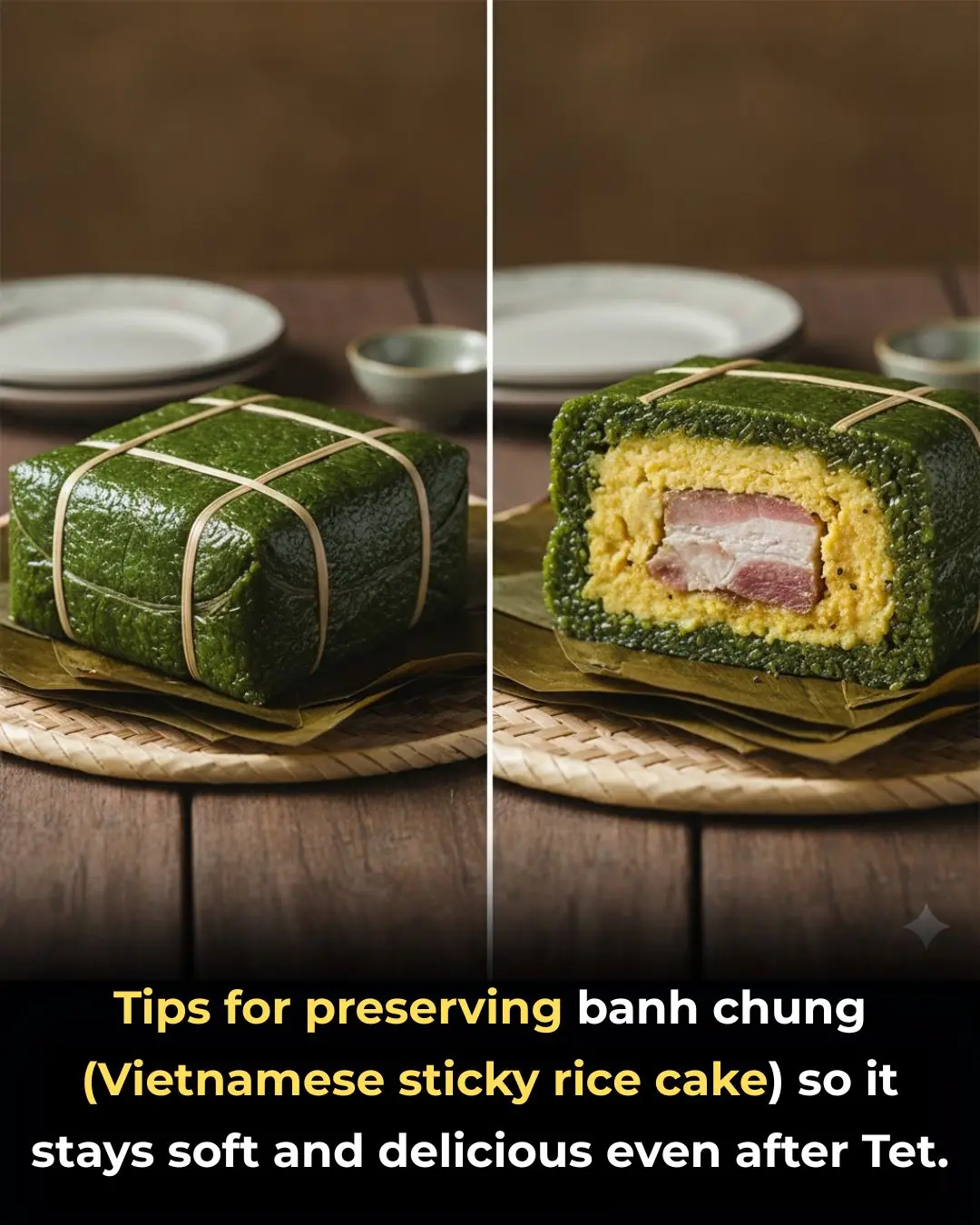
Tips for preserving banh chung (Vietnamese sticky rice cake) so it stays soft and delicious even after Tet.

Place a bottle of medicated oil by your bedside and receive 3 special benefits.

5 tips to keep your bathroom smelling fresh and clean using natural ingredients.

Most do this wrong. Here's how often to refresh everything

What It Means When a Black Cat Comes Into Your Home

Put Bay Leaves in the Corners of Their Kitchen

Washing blood stains from bed sheets with hot water or detergent is completely wrong; this method will remove them completely, leaving no trace.

Don't put tomatoes in the refrigerator: Here's how to keep them fresh for a whole week without them spoiling.

Tips for boiling okra to keep it vibrant green, not slimy, and retain all its nutrients.

When frying pork fat, some people add salt, others add water, but chefs use pure white fat that lasts a long time without spoiling.

Easy Tips to Keep Your Bathroom Smelling Fresh All Day

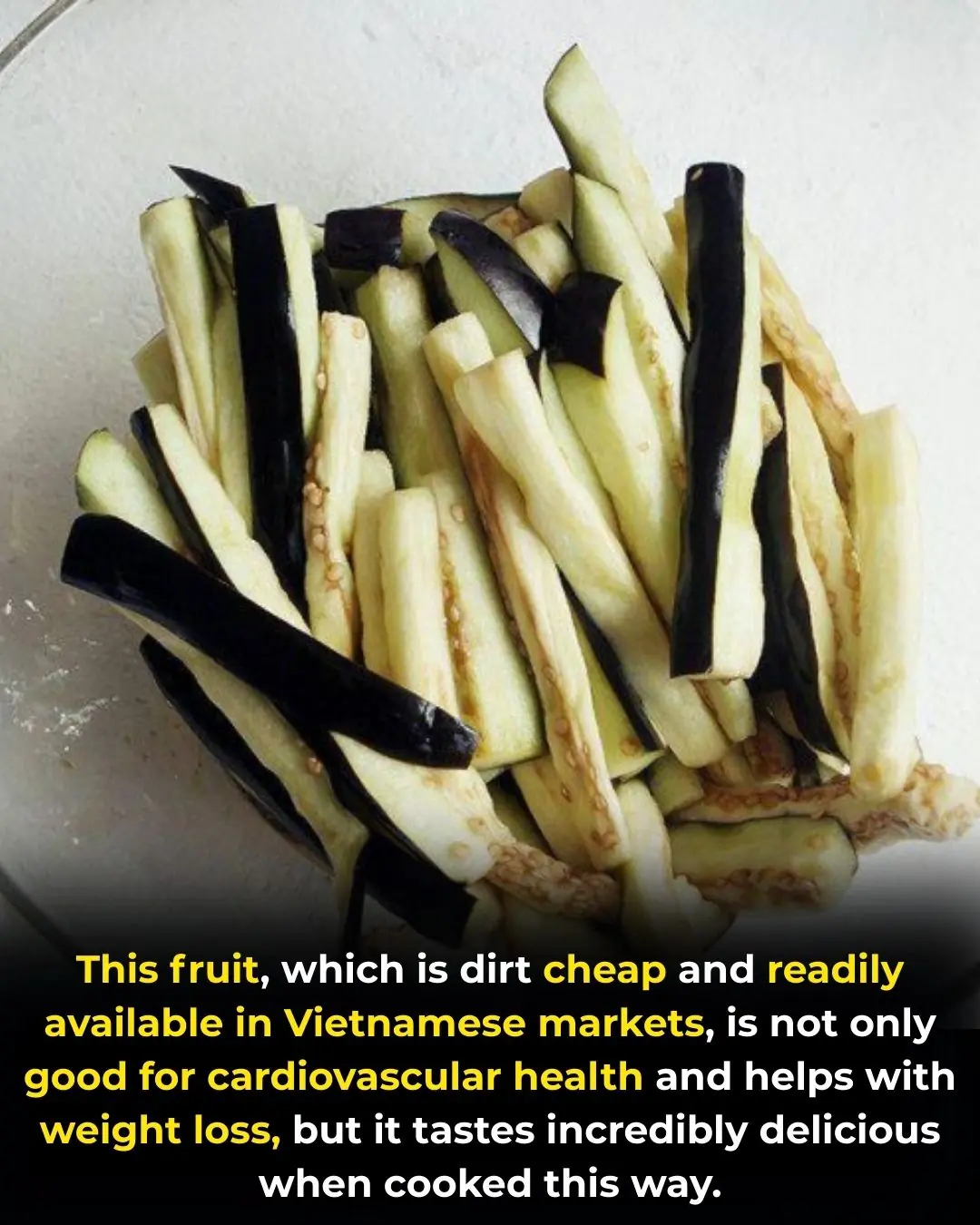
Why Eggplant Is an Affordable Superfood for Heart Health and Weight Management

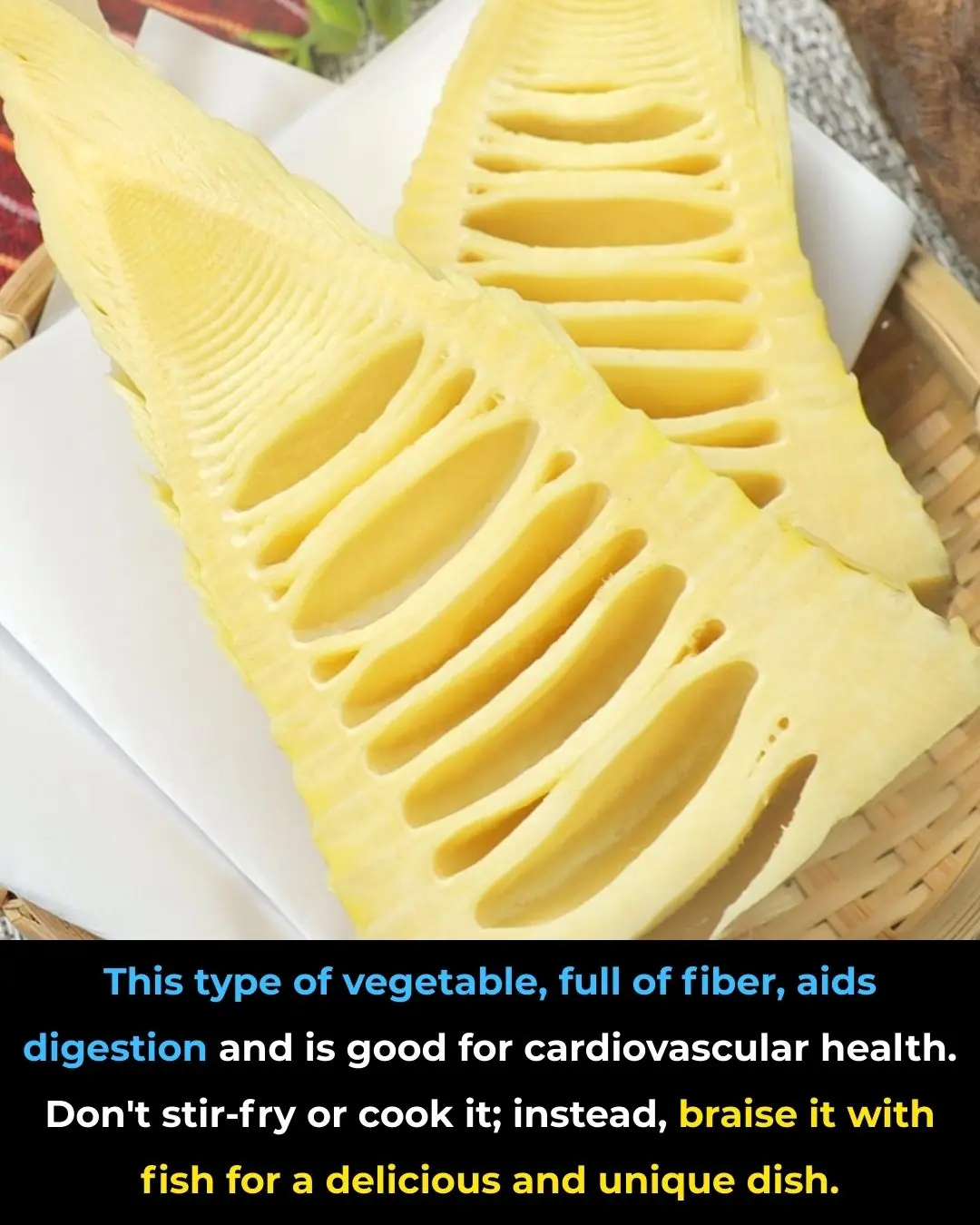
Why Bamboo Shoots Are a Fiber-Rich Vegetable Worth Cooking the Right Way

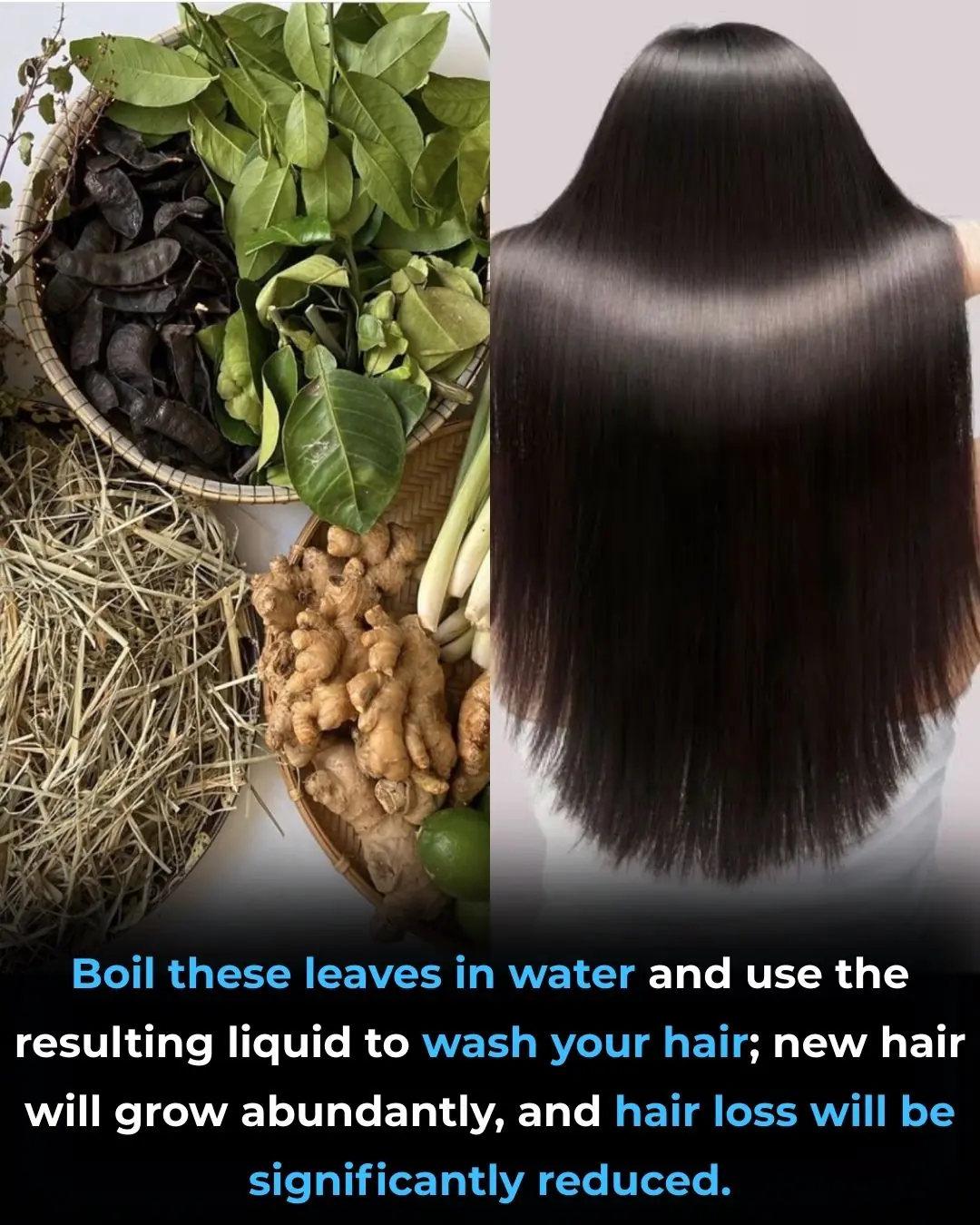
Can Herbal Hair Washes Really Reduce Hair Loss and Promote Hair Growth?

Why You Should Avoid Hanging Clothes in These Places During Winter
News Post

Bariatric Surgery or GLP-1 Receptor Agonists? Long-Term Effects on Fat Loss and Body Composition

How to Whiten Laundry Naturally

Harvard Doctor Reveals Foods You Should Avoid to Prevent Inflammation

If You Have Fig Leaves, You Have Gold—and You Didn’t Even Know It

Doctor Warns of Mesotherapy’s Risky Side, Causing Reptile-Like Skin

It’s surprising how unclear the link between chicken color and quality still is for many people

🤧 Constant Phlegm in Throat? The Real Causes (and How to Actually Get Rid of It)

Why Daily Showers After 65 May Do More Harm Than Good

Scientists Discover Alarming Substance in Human Blood, Raising Serious Concerns

7 easy ways to quickly unclog your lymph nodes to reduce swelling and flush out toxins

What Really Happens When You Eat a Banana Before Bed

Natural Ways to Relieve Cough and Chest Congestion

People whose mouths feel dry when sleeping at night need to know these 8 reasons

Why Eating More Processed Meat Increases Your Risk for Serious Health Problems

That detail isn’t innocent… and few people know it

Doctor Reveals That Eating Guava Can Cause Powerful Changes in Your Body

Stephen A. Smith speaks out on ‘NBA Countdown’ exit

Shedeur Sanders to make first NFL start for Browns: report

Cocklebur Uncovered: The Surprising Traditional Uses of Xanthium Strumarium