Washing blood stains from bed sheets with hot water or detergent is completely wrong; this method will remove them completely, leaving no trace.
Tips 15/01/2026 22:22

Rendering pork fat into clear, fragrant lard that keeps well isn’t just an old kitchen trick — it’s a practical skill that many home cooks still treasure. Properly rendered lard adds rich flavor to dishes and can be stored safely for weeks or even months when done right. Here’s a step-by-step guide with helpful tips so your lard turns out perfectly every time.
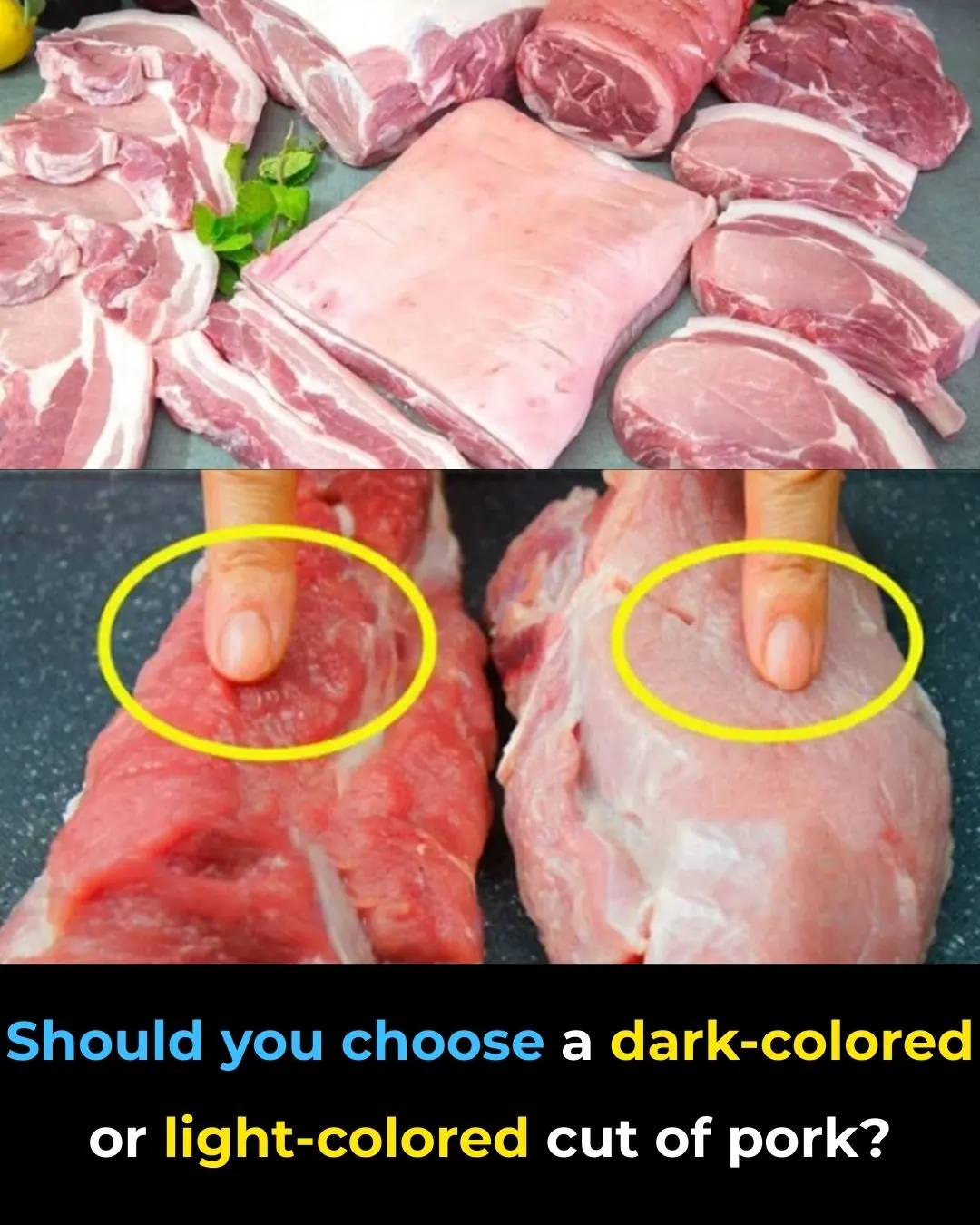
Start with fresh, clean pork fat. The best choices are leaf fat (around the kidneys) or fat from the loin/back because they contain less connective tissue and render more pure fat. Look for pieces that are pale pink or white with no strong smell. Fat that is old or discolored can make the rendered lard cloudy or cause off-odors.
Rinse the fat thoroughly under cold water. Some cooks like to soak it briefly in lightly salted water or even a splash of white liquor to help remove impurities and mild odors. Next, slice the fat into small, even pieces — this helps it render evenly and reduces the risk of burning.
Before frying, you can blanch the fat in boiling water for a few minutes. Place the cut fat into a pot of water, bring it to a gentle boil, then drain and dry. This step removes residual proteins and impurities, reduces foam during frying, and ultimately helps produce whiter, clearer lard.
Unlike simply heating fat in a dry pan, a popular technique is to add a small amount of water to the pot before rendering. The water serves several purposes:
It prevents early burning of the fat.
It helps heat distribute evenly, allowing the fat to melt gradually.
It keeps the lard clear and light in color, rather than yellow or cloudy.
As the water evaporates, the fat will begin to melt and rise as clear oil.
Some cooks add a pinch of salt while the lard is still warm to help inhibit spoilage and enhance flavor once cooled. Be careful not to over-salt — too much can affect taste. Additionally, adding ingredients like ginger slices or dried shallots during rendering can impart a subtle aroma and help neutralize any unwanted odors.
Start on medium heat and adjust as needed. Rendering is a slow process — low, steady heat prevents burning and ensures the fat melts uniformly. Constant stirring helps prevent pieces from sticking and promotes even cooking.
Once the fat has fully melted and the remaining pieces are golden brown and crisp, turn off the heat. The crisp pieces — called cracklings — can be removed with a strainer and used for snacks or toppings. They are a delicious bonus with many creative uses in salads, breakfasts, or fried rice.
While still hot, strain the lard through a fine mesh or cheesecloth into clean, dry glass jars. This removes small solids that could cause spoilage. Allow it to cool before sealing. Stored in the refrigerator, properly rendered lard can last for several months; at room temperature in a cool, dry place, it may keep for a few weeks.
Rendered lard isn’t just useful for traditional cooking — it’s extremely versatile:
Use it instead of oil when making flaky pie crusts or biscuits.
Fry vegetables or eggs for richer flavor.
Roast potatoes or root vegetables for extra crispness.
Add a small spoon to soups and stews for depth and aroma.
With a few simple steps and a bit of patience, you can transform ordinary pork fat into a white, fragrant, long-lasting cooking fat that enhances both flavor and texture in your kitchen creations.