Never Broken a Bone
Health 15/01/2026 22:51
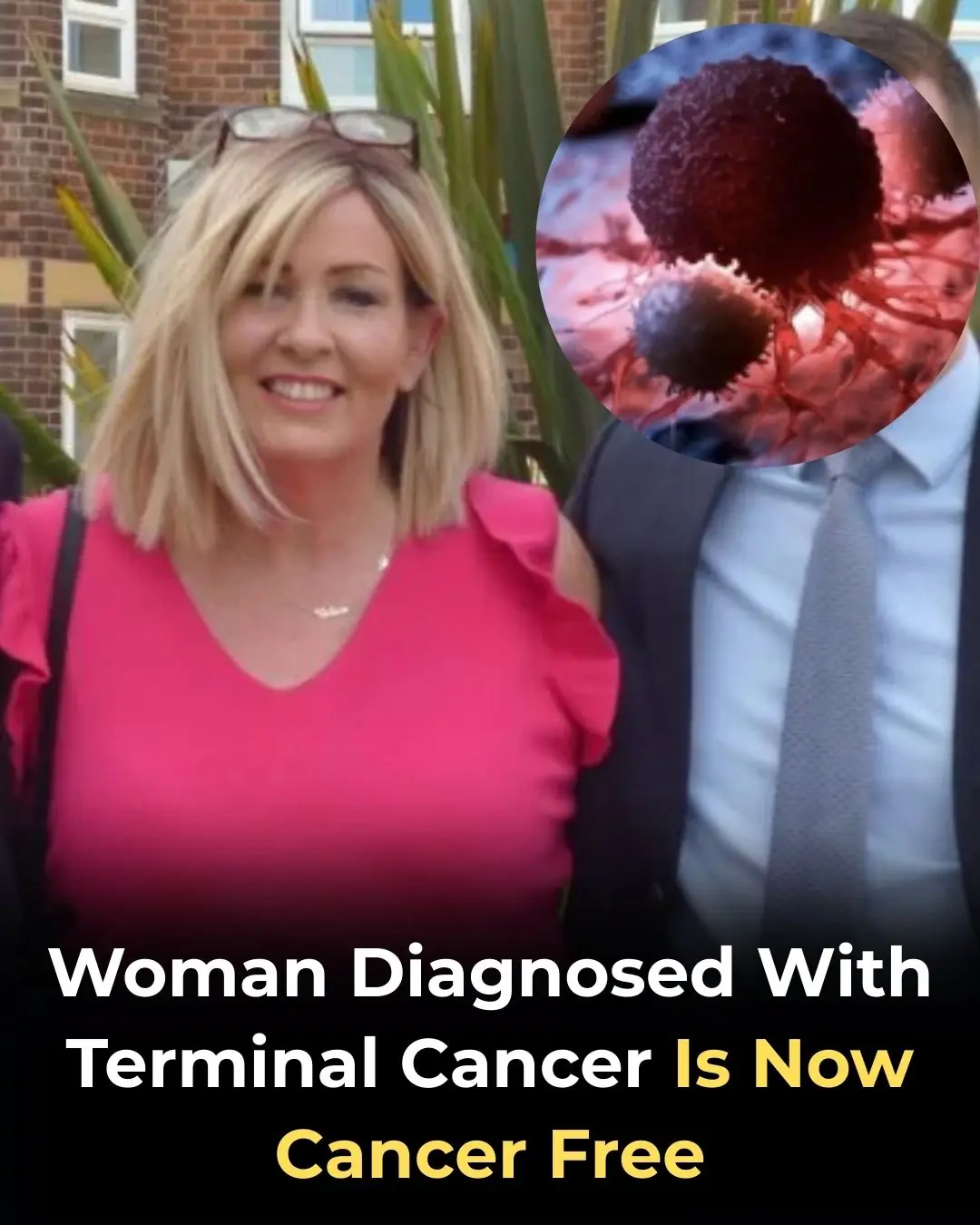
In a bold and highly unconventional act of self-experimentation, Croatian virologist Dr. Beata Halassy successfully treated her recurring breast cancer using laboratory-grown viruses, drawing global attention to the potential — and ethical complexity — of oncolytic virotherapy. Facing limited remaining treatment options after conventional therapies failed, Dr. Halassy made the extraordinary decision to apply her scientific expertise directly to her own case.
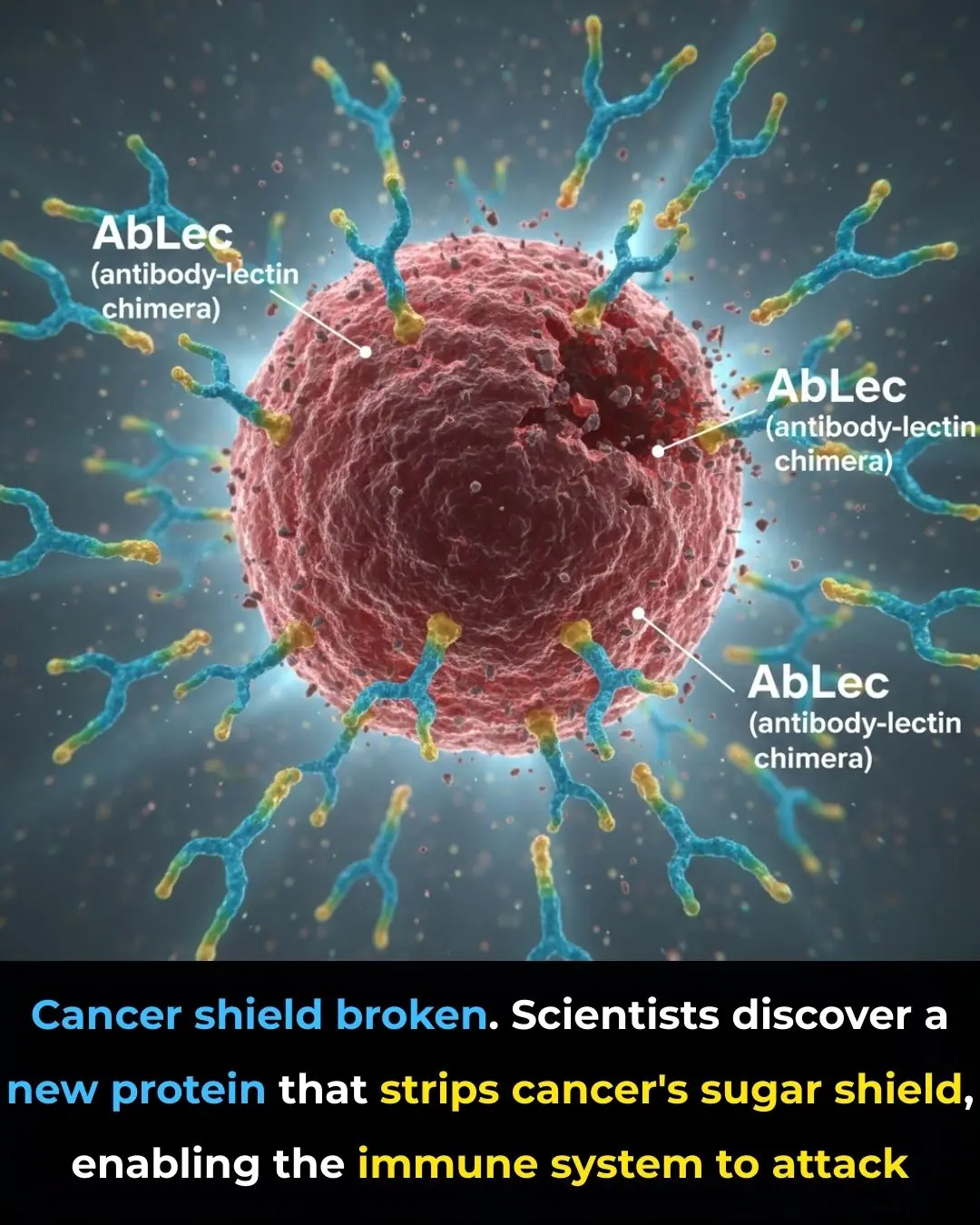
She injected a carefully prepared mixture of measles virus and vesicular stomatitis virus directly into her tumor, a strategy known as oncolytic virotherapy (OVT). This experimental approach uses viruses that preferentially infect and destroy cancer cells while simultaneously stimulating the immune system to recognize and attack the tumor. Unlike traditional chemotherapy, which broadly targets rapidly dividing cells, OVT is designed to act with greater specificity and immune engagement.
The results were remarkable. Following repeated viral injections, the tumor showed significant regression, shrinking enough to allow surgeons to remove it completely. Since the procedure, Dr. Halassy has remained cancer-free for four years, suggesting not only local tumor destruction but also a lasting immune response that may have helped prevent recurrence. Her outcome represents one of the most striking documented examples of successful self-administered oncolytic virotherapy.
However, the case has sparked intense ethical debate within the medical and scientific communities. While the outcome was positive, many experts expressed concern that publicizing such self-experimentation could encourage patients to attempt dangerous, unsupervised treatments. Major scientific journals initially declined to publish the report, citing fears that it might blur ethical boundaries and undermine the strict safeguards that govern clinical research and patient safety.
Ultimately, the case was published in the journal Vaccines in 2024, with careful framing to emphasize that this was an exceptional situation involving a trained virologist with deep expertise, access to laboratory controls, and medical supervision. The authors and editors stressed that the success of this case should not be interpreted as an endorsement of self-treatment, but rather as a proof of concept highlighting the therapeutic promise of oncolytic viruses when used responsibly.
The publication has renewed scientific interest in OVT, a field already under active investigation for multiple cancer types, including melanoma, glioblastoma, and breast cancer. Institutions such as the National Cancer Institute, World Health Organization, and journals including Nature Medicine, The Lancet Oncology, and Cancer Research have documented growing evidence that engineered or naturally selective viruses can play a powerful role in future cancer therapies when tested through controlled clinical trials.
Dr. Halassy’s case stands at the intersection of innovation and ethics. It demonstrates the extraordinary potential of oncolytic virotherapy while reinforcing the importance of rigorous oversight, ethical review, and patient safety. Her experience may help accelerate formal research into virus-based cancer treatments, but it also serves as a reminder that high-risk experimental interventions must remain within carefully regulated medical frameworks.
Bottom line: This rare and controversial case highlights both the promise and the limits of oncolytic virotherapy. While lab-grown viruses helped eliminate a recurring cancer in an exceptional circumstance, such approaches must be pursued through structured clinical research — not self-experimentation.