What Weak or Brittle Nails May Be Telling You About Your Health
Healthy, strong nails are easy to overlook—until they start splitting, peeling, or breaking with the slightest pressure. While nail issues are often dismissed as cosmetic, they can actually offer valuable insight into your overall health.
Brittle or weak nails may point to nutritional deficiencies, dehydration, lifestyle habits, or repeated exposure to damaging environmental factors. Paying attention to these early warning signs can help you address underlying issues before they worsen—benefiting not just your nails, but your general well-being.
Below, we explore the most common reasons nails become weak or brittle, what your body may be missing, and simple, practical steps you can take to restore nail strength naturally.
1. Nutritional Deficiencies That Affect Nail Health
Your nails are made primarily of keratin, a protein that relies on a steady supply of vitamins and minerals. When your diet lacks key nutrients, nails are often among the first places where problems appear.
Biotin (Vitamin B7) Deficiency
Biotin plays a vital role in maintaining healthy nails, hair, and skin. Low levels may cause nails to become thin, brittle, or prone to splitting.
Foods rich in biotin include:
- Eggs
- Almonds
- Cauliflower
- Cheese
- Mushrooms
- Sweet potatoes
- Spinach
Consistently including these foods in your diet may help improve nail strength over time.
Iron Deficiency
Iron is essential for producing hemoglobin, which delivers oxygen to cells throughout the body—including those responsible for nail growth. Low iron levels can lead to fragile nails or unusual shapes, such as spooning.
Iron-rich foods include:
- Leafy greens like spinach
- Red meat
- Lentils and beans
- Fortified cereals
If iron deficiency is suspected, it’s important to consult a healthcare professional before using supplements.
Inadequate Protein Intake
Since nails are made of protein, not getting enough can slow growth and weaken their structure.
Good protein sources include:
- Lean meats and poultry
- Fish
- Eggs
- Dairy products
- Legumes
Adequate protein supports not only nail strength but also muscle health, immunity, and tissue repair.
2. Dehydration and Brittle Nails
Dehydration affects more than just your skin—it can also leave nails dry, rigid, and prone to cracking.
Drinking enough water throughout the day helps maintain nail flexibility and supports healthy growth from the nail bed. If your nails feel dry or split easily, increasing your daily fluid intake may be one of the simplest solutions.
3. Environmental Factors That Weaken Nails
Even with proper nutrition, external factors can slowly damage nails over time.
Chemical Exposure
Frequent contact with harsh chemicals—such as cleaning products, detergents, and nail polish removers—can strip nails of their natural oils.
Protect your nails by:
- Wearing gloves when cleaning or washing dishes
- Choosing acetone-free nail polish removers
- Limiting frequent gel or acrylic manicures
Reducing chemical exposure helps nails retain moisture and strength.
4. Everyday Habits That Can Damage Nails
Some daily habits quietly weaken nails without you realizing it:
- Excessive hand washing without moisturizing
- Nail biting or picking
- Using nails as tools to open or scrape objects
Applying hand cream or cuticle oil regularly can restore moisture and improve nail resilience.
5. When to Seek Professional Advice
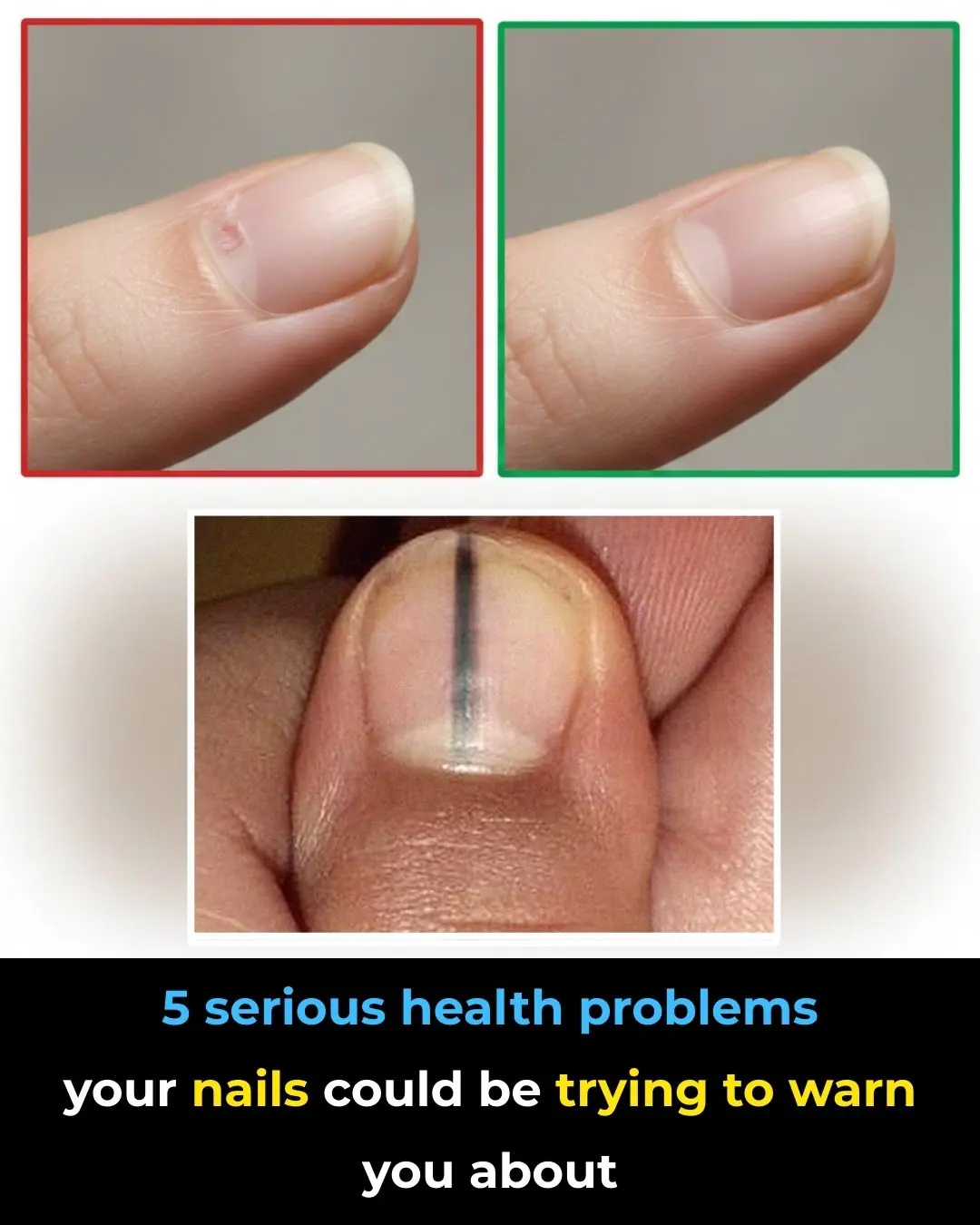
While many nail issues are related to diet or lifestyle, persistent or sudden changes—such as deep ridges, discoloration, or severe thinning—should be evaluated by a healthcare professional. These symptoms may signal underlying conditions that require medical attention.
Final Thoughts
Your nails are more than a cosmetic detail—they reflect what’s happening inside your body. Weak or brittle nails often signal a need for better nutrition, hydration, or protection from environmental stress.
By recognizing these signs and making small, informed lifestyle changes, you can support stronger nails and improve your overall health. Healthy nails begin with healthy habits—listening to your body is the first step.