Diagnosed with terminal cancer that had metastasized to the brain, the woman went for a check-up and burst into tears upon learning that her husband and son were the culprits
Health 14/01/2026 22:01
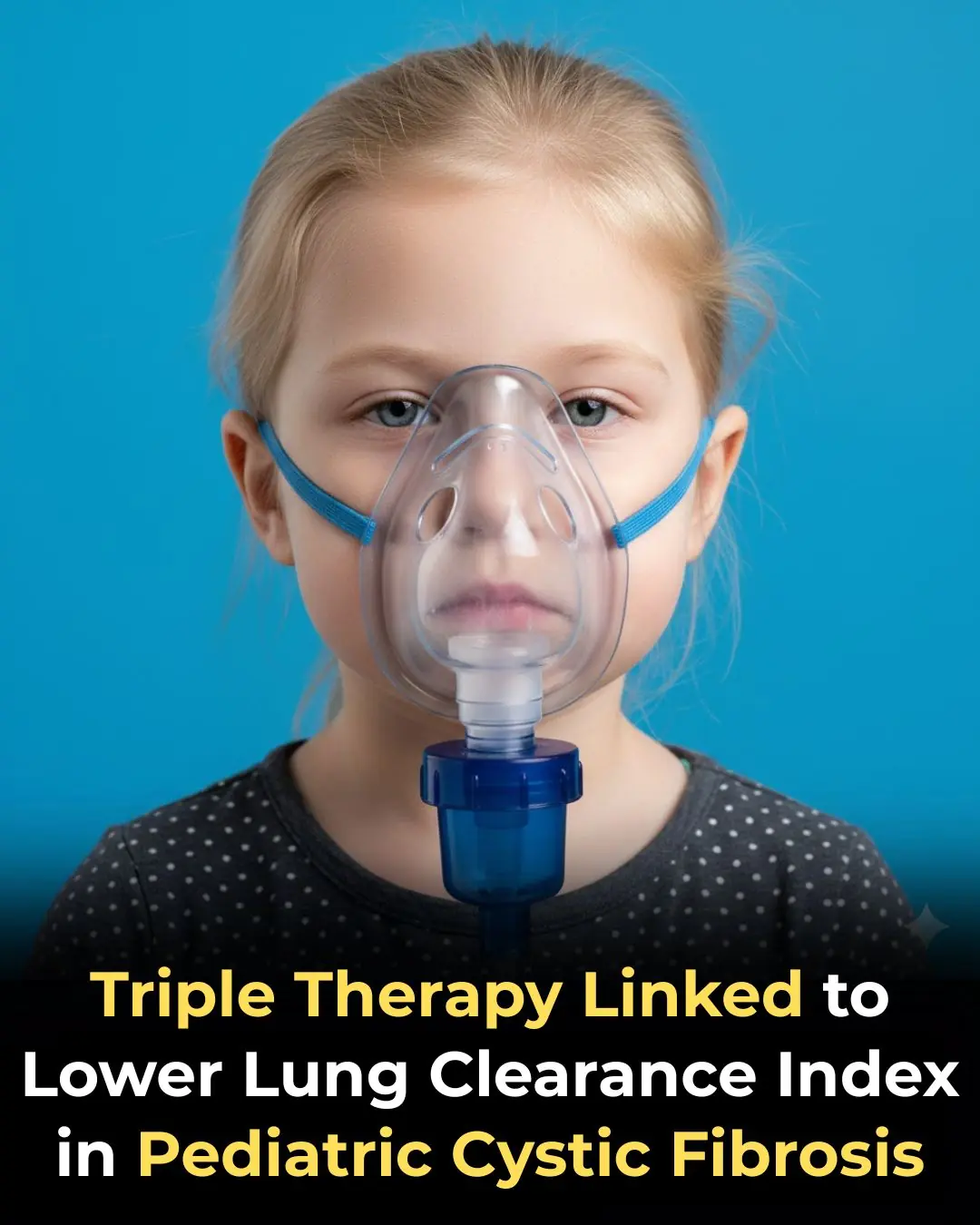
Cystic fibrosis (CF) is a chronic genetic disease that significantly affects the lungs, leading to thick mucus buildup, repeated infections, and progressive decline in respiratory function. Over the past few years, advancements in CFTR modulator therapies have transformed CF care—particularly with the introduction of elexacaftor/tezacaftor/ivacaftor (ETI), widely known as a highly effective triple-combination treatment.
New evidence now suggests that ETI therapy may lead to meaningful improvements in lung ventilation and airway function in children with cystic fibrosis, as indicated by substantial reductions in the Lung Clearance Index (LCI).
Traditionally, lung function in cystic fibrosis has been monitored using spirometry measures such as FEV₁ (forced expiratory volume in one second). While FEV₁ is useful, it may fail to detect early or mild lung impairment—especially in children who may still show “normal” spirometry results despite ongoing lung disease.
That’s where the Lung Clearance Index (LCI) becomes important.
LCI is derived from multiple-breath washout testing and reflects how evenly air is distributed in the lungs. A higher LCI indicates worse ventilation distribution and more air trapping, often linked to early airway damage in CF.
In simple terms:
Higher LCI → poorer lung ventilation
Lower LCI → improved airflow and ventilation distribution
Because LCI is more sensitive than standard spirometry in many pediatric CF cases, it has become an increasingly valuable marker for evaluating treatment impact.
In children with cystic fibrosis, ETI therapy was correlated with substantial reductions in LCI, signaling improved ventilation distribution throughout the lungs.
This is clinically meaningful because improving ventilation distribution suggests:
reduced airway obstruction
better movement of air through the smaller airways
less air trapping
potential slowing of long-term lung damage
What makes these findings especially encouraging is that LCI improvements can reflect changes in lung function even before symptoms noticeably improve.
One major highlight from the findings is that the largest reductions in LCI occurred in children with more severe cystic fibrosis lung disease.
This is an important point because children with more severe disease often face:
faster progression of lung damage
higher frequency of exacerbations
greater limitations in daily activity
increased healthcare burden
Seeing the strongest benefit in this group suggests ETI therapy may offer not only modest support but potentially life-changing improvements for children at highest risk of deterioration.
The correlation between ETI therapy and improved LCI supports the idea that triple therapy may do more than improve symptoms—it may also improve underlying lung physiology.
This could have several major implications:
Starting ETI therapy earlier may help reduce early airway damage and improve ventilation distribution before irreversible decline occurs.
LCI appears to be a sensitive marker for detecting therapy effects, potentially allowing clinicians to track improvement more precisely in children.
By improving airflow and ventilation, ETI therapy may reduce future complications and support better lung health over time.
For decades, CF care was largely focused on managing symptoms and complications—such as infections, mucus clearance, and nutritional deficiencies.
But CFTR modulators like ETI are changing the trajectory of the disease by targeting the underlying CFTR defect. The reduction in LCI suggests that ETI may contribute to:
stronger airway function
reduced progression of lung impairment
improved quality of life in pediatric patients
In pediatric cystic fibrosis, ETI triple therapy (elexacaftor/tezacaftor/ivacaftor) is increasingly supported by evidence showing significant respiratory benefits. Its association with lower Lung Clearance Index (LCI) provides a strong signal of improved ventilation distribution—especially in children with more severe lung disease.
As research continues, these findings reinforce the growing role of ETI therapy as a cornerstone of modern CF care and highlight LCI as a valuable outcome measure for evaluating lung improvement in children.