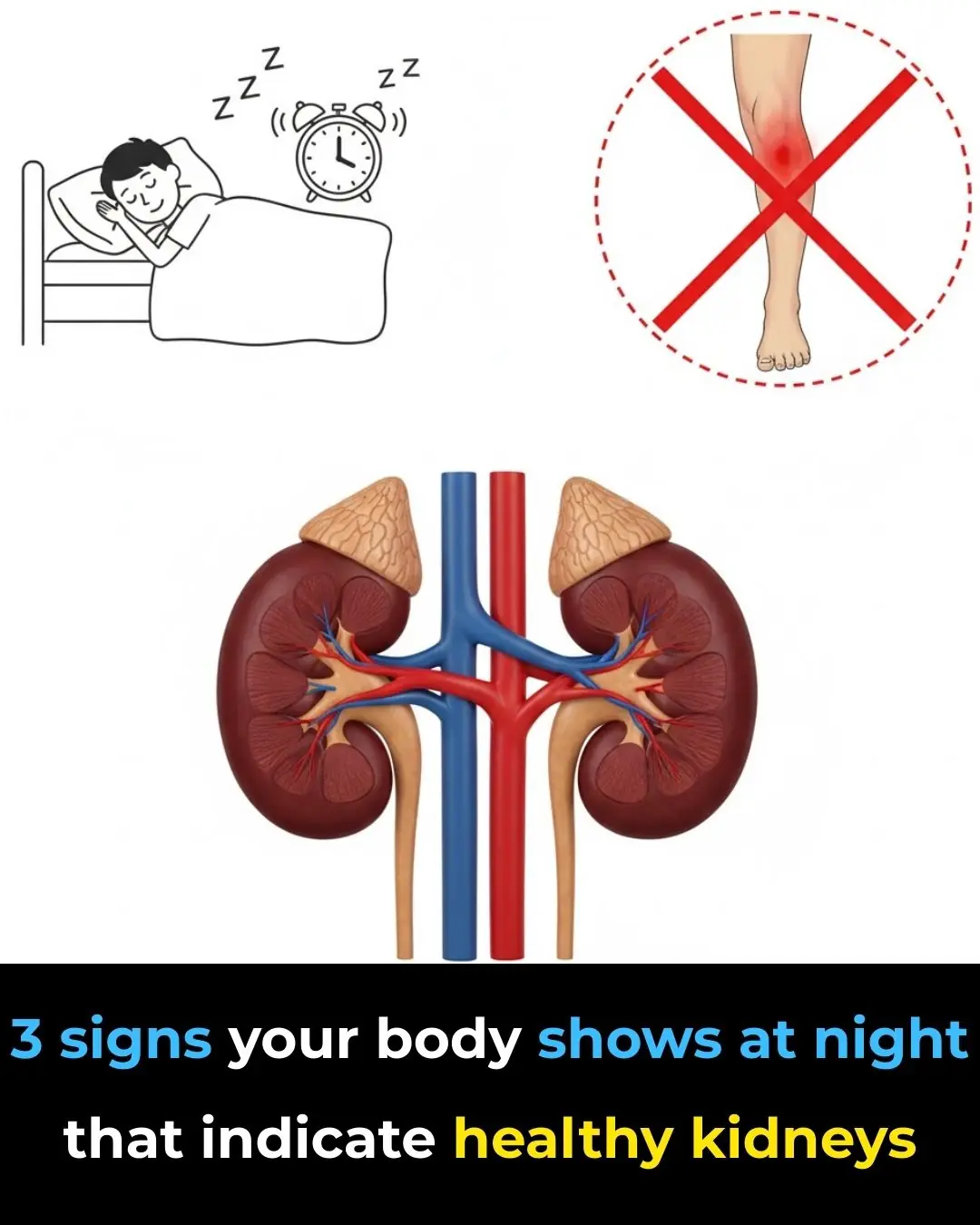
🌙 If You Notice These 3 Signs at Night, Your Kidneys Are Likely in Great Shape
Health 14/01/2026 22:13
Having good blood circulation is essential for maintaining overall health and vitality. Proper circulation allows blood to flow efficiently throughout the body, delivering oxygen and essential nutrients to your organs, muscles, and tissues while carrying away waste products. When circulation is poor, your body cannot function at its best. You may need to improve your blood circulation if you often experience cold feet or toes, swelling in your feet or ankles, pins-and-needles sensations in your arms or legs, or frequent fatigue. In some cases, poor circulation may also contribute to hair loss, dizziness, headaches, or difficulty concentrating.
Fortunately, there are many natural and effective ways to improve blood flow throughout your body. Certain foods can stimulate circulation, support healthy blood vessels, and reduce the risk of artery-related problems. Regular physical activity, proper hydration, stress management, and mindful lifestyle choices also play a powerful role. In this article, you’ll discover practical, easy-to-follow strategies that can significantly improve blood circulation and support long-term cardiovascular health.
Blood circulation is controlled by your heart, which sits slightly to the left of your breastbone. According to Dr. James Beckerman on WebMD, the heart beats roughly 100,000 times each day and pumps close to 2,000 gallons of blood throughout the body. Blood travels through a vast network of arteries, veins, and capillaries, supplying tissues with oxygen and nutrients while removing carbon dioxide and other waste materials.
Healthy circulation is essential for maintaining stable blood pressure, regulating body temperature, balancing pH levels, and ensuring that every cell receives what it needs to function properly. When circulation is compromised, these vital processes suffer.
Poor blood circulation can affect nearly every organ system. While symptoms often appear first in the fingers and toes, reduced blood flow can also cause shortness of breath, dizziness, chest pain, varicose veins, high blood pressure, and even cognitive issues over time.
Many factors influence how well blood moves through your body. The Ochsner Journal reports that aging and high blood pressure are major contributors to coronary insufficiency, a condition marked by reduced blood flow through the arteries. As we age, arteries naturally lose elasticity and become narrower, forcing the heart to work harder and raising blood pressure.
Other factors that negatively affect circulation include being overweight, smoking, diabetes, high cholesterol levels, chronic stress, and a lack of physical activity. These conditions strain the cardiovascular system and increase the risk of heart disease, stroke, and circulation-related complications. This is why improving blood flow is one of the most effective ways to protect your heart and overall health as you age.
Below are proven lifestyle strategies that can significantly enhance blood flow and support vascular health.
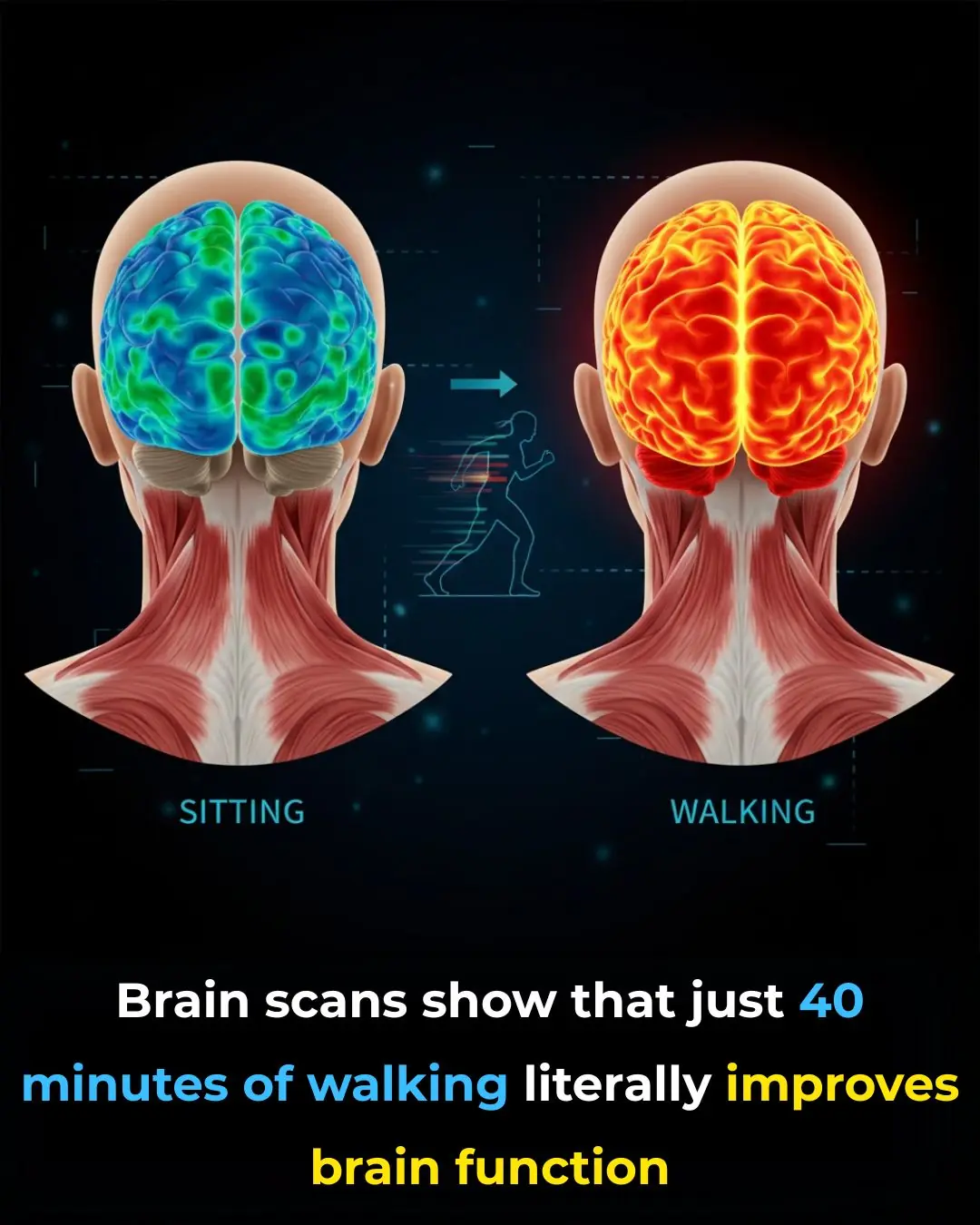
Physical activity is one of the most powerful ways to boost circulation. Any movement that raises your heart rate helps pump blood more efficiently through your body.
The American Heart Association recommends at least 150 minutes of moderate exercise per week. One of the main benefits of consistent exercise is improved blood circulation, which lowers the risk of heart disease. Exercise also helps regulate weight, reduce cholesterol, and manage stress—factors that further support healthy blood flow.
If you’ve been sedentary, start with walking and gradually increase intensity. Jogging, swimming, cycling, stair climbing, and recreational sports are all excellent choices.
Stretching is a simple yet effective way to improve circulation, especially if you sit for long periods. Regular stretching increases blood flow to muscles and organs while reducing stiffness and tension.
A 2016 study found that stretching exercises improve cardiovascular function by enhancing blood flow to tissues. Taking short movement breaks during the day can prevent circulation problems caused by prolonged sitting.
Massage helps reduce inflammation, relieve muscle tension, and stimulate blood flow. Improved circulation allows oxygen and nutrients to reach tissues more efficiently while helping the body remove toxins.
Massaging your legs and feet is particularly helpful for improving lower-body circulation. Research published in Medical Science Monitor found that massage increases skin temperature and enhances blood flow to targeted areas, helping relieve pain and discomfort.
Using essential oils such as rosemary or peppermint—properly diluted—can enhance these effects. Studies have shown rosemary oil improves circulation and reduces pain, while peppermint oil may increase scalp blood flow and support hair growth.
A nutritious diet plays a major role in improving blood circulation and vascular health. Focus on vegetables, fruits, whole grains, lean proteins, and healthy fats from sources like olive oil, nuts, seeds, avocados, and fatty fish.
Research published in the British Journal of Clinical Pharmacology found that green leafy vegetables improve circulation due to their nitrate content, which helps blood vessels relax and expand. Foods like garlic, berries, oats, spinach, green tea, and oily fish can also help prevent clogged arteries and promote healthy blood flow.
Dehydration thickens the blood and reduces circulation. Drinking enough water helps maintain proper blood volume and flow.
The Journal of Physiology reported that dehydration significantly reduces blood flow to muscles during exercise, increasing fatigue, headaches, and muscle soreness. Most experts recommend 8–12 glasses of water daily, with higher intake needed for hot climates or physical activity. Limiting alcohol and excess caffeine also helps prevent dehydration.
Moderate caffeine may offer some benefits, but excessive intake can impair circulation and raise blood pressure. Studies have shown that too much caffeine reduces blood flow to the brain and increases heart rate.
Similarly, moderate alcohol consumption—such as one glass of red wine—may support heart health, but excessive drinking restricts blood vessel expansion and increases the risk of high blood pressure and heart disease.
Green tea is rich in antioxidants that protect blood vessels and improve circulation. Studies show that regular green tea consumption helps dilate blood vessels, improve blood flow, and reduce the risk of coronary artery disease.
Drinking two to three cups daily can provide meaningful cardiovascular benefits.
Excess salt contributes to high blood pressure and restricts blood flow. Reducing sodium intake helps blood vessels function properly and improves circulation.
Avoid highly processed foods, packaged sauces, bouillon cubes, and soy sauce, which often contain excessive sodium.
Ginkgo biloba is known for its ability to improve circulation by widening blood vessels. Research shows it enhances blood flow to the brain and limbs and may help reduce symptoms of poor circulation and cognitive decline.
Warm baths and saunas improve circulation by relaxing blood vessels and muscles. Studies show that warm baths reduce blood pressure and enhance blood flow, while sauna use improves cardiac function.
Using body scrubs during warm baths can further stimulate circulation.
Contrast hydrotherapy—alternating hot and cold water—stimulates circulation by causing blood vessels to expand and contract. Research shows this method significantly improves blood flow in the limbs.
Raising your legs above heart level helps reduce swelling and improves circulation, especially if you experience leg pain, cramps, or tingling. Elevating your legs for 15 minutes several times a day can bring quick relief and help prevent blood clots.
Chronic stress constricts blood vessels and reduces circulation. Studies show that stress lowers blood flow, while laughter and relaxation techniques increase it. Mindfulness, deep breathing, and enjoyable activities can significantly benefit circulation.
Smoking damages blood vessels and promotes plaque buildup in arteries, severely impairing circulation. Even secondhand smoke increases the risk of cardiovascular disease. Quitting smoking is one of the most effective ways to restore vascular health.
Certain foods actively enhance circulation, including ginger, dark chocolate, garlic, and cayenne pepper. These foods help dilate blood vessels, reduce inflammation, and improve overall blood flow.
Deep breathing improves oxygen delivery, enhances venous return, and supports relaxation. Research shows that combining deep breathing with gentle movement increases blood flow velocity in major veins, supporting healthy circulation throughout the body.