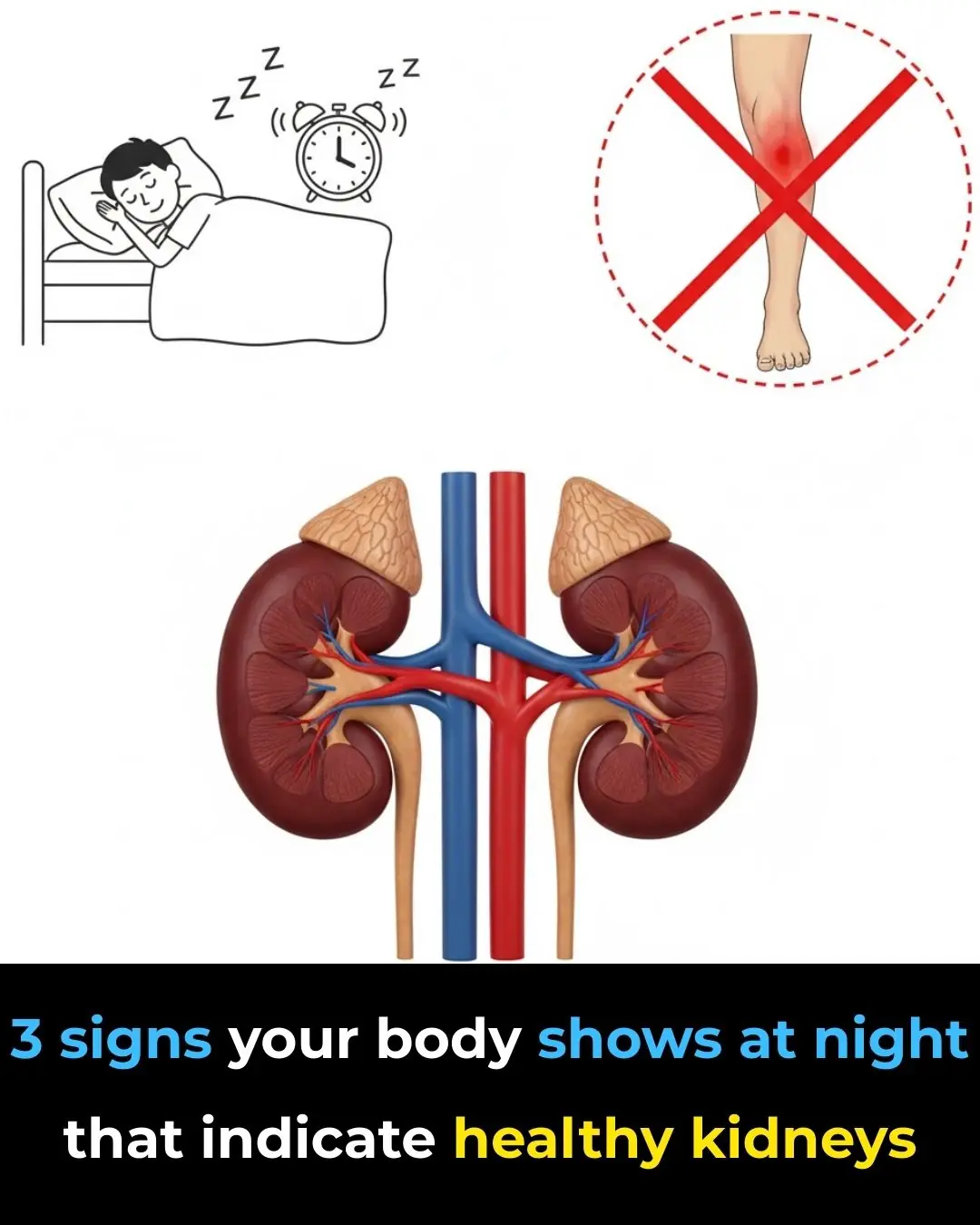
🌙 If You Notice These 3 Signs at Night, Your Kidneys Are Likely in Great Shape
Health 14/01/2026 22:13
Having clogged ears can be extremely uncomfortable. This irritating condition may cause pressure, pain, dizziness, and even temporary hearing loss. In many cases, ears feel blocked when the ear canal is obstructed or when pressure inside the Eustachian tubes becomes unbalanced. Fortunately, clogged ears are often easy to manage, and there are many safe and effective home remedies that can help restore comfort and normal hearing without medication.
There are several reasons your ears may feel plugged or full. One of the most common causes is a buildup of earwax inside the ear canal. Other frequent triggers include ear infections, trapped water after swimming or showering, sinus congestion, and colds. Changes in air pressure—such as during airplane takeoff and landing or while driving in mountainous areas—can also cause the ears to feel blocked.
When your ears are clogged, you may notice muffled sounds, reduced hearing, or a sensation of fullness. Some people feel as if there is water trapped in the ear, while others experience dizziness or imbalance. It’s also common to hear popping, clicking, or crackling sounds as pressure tries to equalize inside the ear. While these symptoms are usually temporary, they can be frustrating and disruptive.
Some of the most effective home remedies for clogged ears include softening earwax with olive oil, applying a warm compress, or using hydrogen peroxide safely. Simple actions like yawning, swallowing, chewing gum, or performing the Valsalva maneuver can also help relieve pressure and unblock the ears naturally.
Before exploring specific remedies, it’s helpful to understand the strong connection between your ears and your sinuses.
One of the leading causes of clogged ears is congestion caused by colds, allergies, or sinus infections. Your ears, nose, and throat are connected through small passageways called the Eustachian tubes. These tubes help regulate air pressure in the middle ear and allow fluid to drain properly.
Under normal conditions, the Eustachian tubes remain closed and open briefly when you swallow, yawn, or chew. When they open, air flows into the middle ear, equalizing pressure and preventing discomfort. That familiar popping sensation is simply a sign that pressure is balancing itself.
However, when your sinuses are congested or inflamed, these tubes may become blocked or fail to open properly. This makes it difficult to equalize pressure, leading to the sensation of clogged or full ears. Viral infections, bacterial infections, allergies, and even anatomical factors—such as naturally narrow Eustachian tubes—can all contribute to this problem.
The best way to avoid clogged ears caused by sudden pressure changes is to help your ears equalize pressure naturally. If you’re flying, diving, or driving through elevation changes, try the following techniques:
Chewing gum
Swallowing frequently
Yawning
These actions encourage the Eustachian tubes to open, helping relieve pressure, discomfort, and fullness in the ears.
The Valsalva maneuver is one of the most effective techniques for relieving ear pressure. It can be done anywhere and works by gently forcing air into the middle ear.
How to perform it safely:
Pinch your nostrils closed and keep your mouth shut.
Gently exhale as if blowing through your nose.
Do not force the air—there should be no pain.
A soft popping sound usually indicates that pressure has been relieved.
This method is also helpful for removing pressure caused by trapped water in the ear.
Your sleeping posture can influence ear congestion, especially overnight when fluid may accumulate.
If you sleep on your back, elevate your head with extra pillows to promote drainage.
Lying on your side with the blocked ear facing downward for about an hour may help relieve pressure.
Proper sleep positioning can reduce morning ear fullness and discomfort.
When ear congestion is caused by sinus pressure, infection, or excess mucus, the following remedies may provide relief.
Applying heat can help loosen congestion and soothe pain.
How to use:
Soak a clean cloth in warm water and wring it out.
Place it over the affected ear for 10 minutes.
Alternatively, use a warm (not hot) water bottle wrapped in a towel.
Rinsing your nasal passages with saline helps clear mucus, reduce inflammation, and unblock the Eustachian tubes. Salt has natural antibacterial properties and is especially helpful for sinus-related ear congestion.
Neti pots or squeeze bottles designed for sinus rinsing are easy and effective tools for this purpose.
Surprisingly, gargling can also help unclog ears. Salt water soothes the throat and may help reduce swelling around the Eustachian tubes.
How to do it:
Dissolve one teaspoon of salt in a cup of warm water.
Gargle for 15–20 seconds, then spit it out.
Repeat several times daily.
Steam inhalation helps loosen mucus and clear blocked airways. Adding tea tree oil enhances the effect due to its strong antimicrobial properties.
How to use:
Pour boiling water into a bowl.
Add a few drops of tea tree, eucalyptus, or lavender oil.
Lean over the bowl, cover your head with a towel, and inhale carefully.
Garlic has natural antibacterial and antiviral properties. Warm garlic oil can help relieve ear infections and loosen blockages.
Apply warm (not hot) garlic-infused oil to the ear for short periods, allowing it to soften wax and reduce discomfort.
If earwax buildup is the cause of clogged ears, gentle removal is essential. Never insert sharp objects or cotton swabs deep into the ear canal.
⚠️ Do not use these methods if you have a perforated eardrum.
Warm olive oil softens earwax and helps it drain naturally.
This mixture softens wax and helps prevent infection when used correctly and sparingly.
Hydrogen peroxide creates a bubbling action that loosens wax and lifts debris safely when used in small amounts.
Use a humidifier to keep nasal passages moist
Take hot showers to help clear congestion
Stay well hydrated to thin mucus
Avoid smoking, excessive caffeine, alcohol, and salty foods
Avoid sudden movements that may cause dizziness
Small lifestyle adjustments can go a long way in preventing ear congestion and maintaining ear health.