Guava Leaf Tea Benefits: A Natural Drink for Everyday Health and Well-Being
Garden Healthy 14/01/2026 20:01
Maintaining good oral hygiene is essential for overall health, yet many people struggle with issues such as plaque buildup, tooth discoloration, and cavities. As a result, natural remedies and homemade mixtures are often promoted online as simple solutions for cleaning teeth, removing plaque, or even reversing tooth decay. While some natural ingredients may support oral hygiene, it is important to clearly understand their limitations and the role of professional dental care.
Plaque and tartar form when bacteria in the mouth feed on food particles and sugars, producing acids that gradually damage tooth enamel. If left untreated, this process can lead to cavities and gum disease. Once tooth decay has progressed to the stage of a cavity, it cannot be reversed by home remedies alone and requires professional dental treatment.
Certain natural substances, especially plant-based ingredients rich in antioxidants or antibacterial compounds, may help reduce bacteria levels in the mouth when used alongside regular brushing and flossing. Herbal pastes or rinses may contribute to fresher breath and a cleaner feeling by limiting bacterial growth on the tooth surface. However, these effects are supportive rather than curative.
It is also important to distinguish between surface stains and structural damage. Natural cleaning methods may help reduce mild staining caused by food, beverages, or smoking, making teeth appear brighter. However, they do not repair enamel damage, fill cavities, or restore decayed tooth structure. Claims suggesting that homemade mixtures can “cure cavities” or fully rebuild teeth are not supported by scientific evidence.
Dental professionals emphasize that fluoride toothpaste, proper brushing techniques, flossing, and regular dental check-ups remain the most effective ways to prevent cavities and gum disease. In some cases, dentists may recommend additional treatments such as sealants, professional cleanings, or restorative procedures depending on the severity of dental issues.
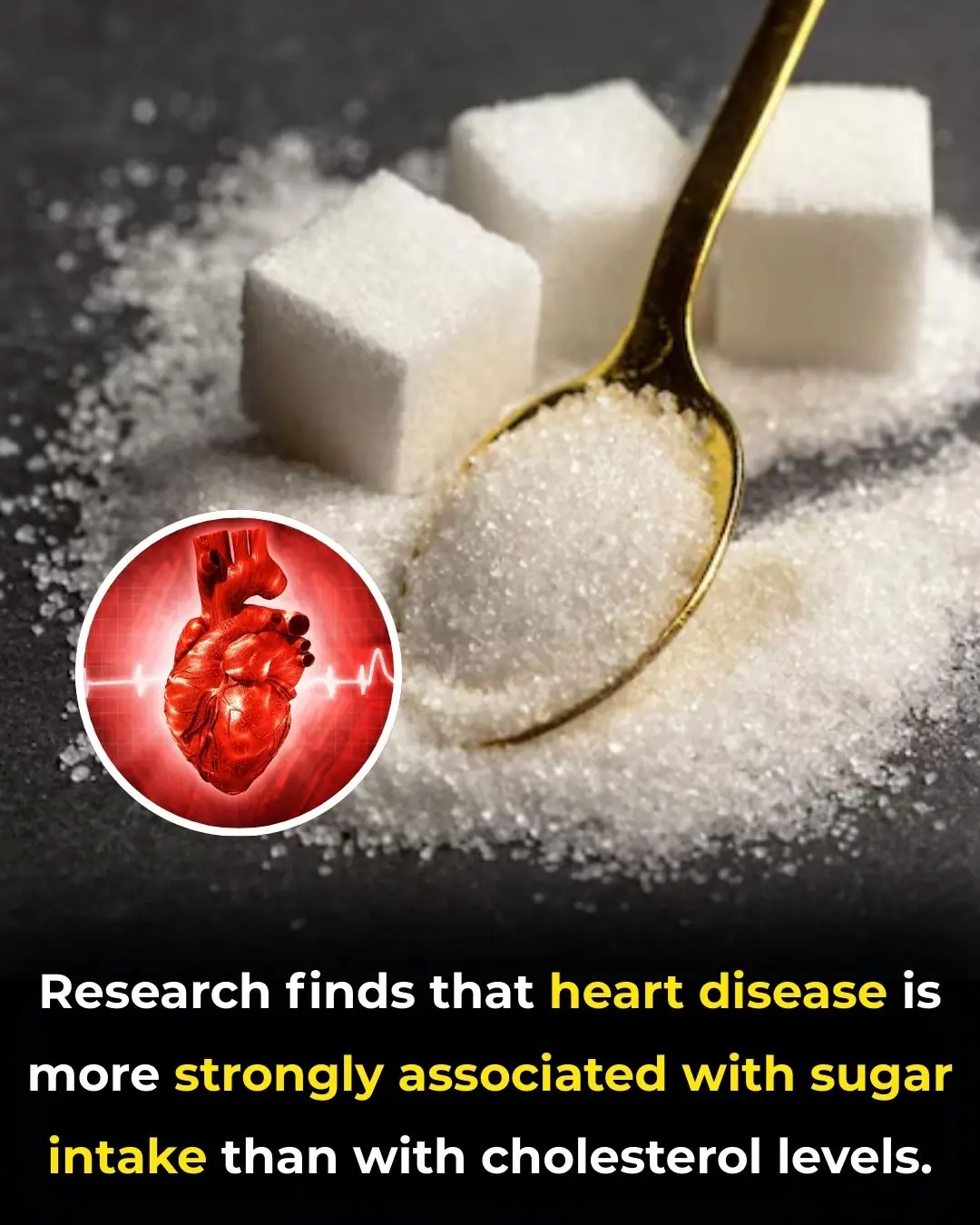
Natural oral care practices can still play a role when used responsibly. For example, maintaining a balanced diet, limiting sugar intake, staying hydrated, and using mild herbal rinses may support oral health as part of a broader hygiene routine. However, these methods should never replace professional dental advice or treatment.
In conclusion, while natural remedies may help support oral cleanliness and reduce surface bacteria, they do not cure cavities or repair damaged teeth. For lasting dental health, combining good daily habits with evidence-based dental care is essential.