Imagine slicing open a fresh, plump aloe vera leaf and scooping out its cool, translucent gel. The mild, slightly bitter taste and silky texture instantly feel calming and refreshing. For many people over 45, recurring minor infections, persistent skin problems, or digestive discomfort caused by microbial imbalances can quietly interfere with daily comfort and confidence.
At the same time, antibiotic resistance is increasing worldwide, making even simple infections feel more difficult to manage. This growing concern has led many to ask an important question: what if a single, easy-to-grow plant from your windowsill could offer gentle, everyday support?
Aloe vera has been used for centuries in traditional medicine, and modern research suggests that its gel contains bioactive compounds such as anthraquinones, salicylic acid, phenols, and polysaccharides that may help inhibit certain bacteria and fungi. While exaggerated claims—such as being “150 times stronger” than garlic, lemon, or antibiotics—are not supported by credible scientific evidence, aloe vera’s natural antimicrobial potential is well documented in laboratory studies.
Curious to learn more? Let’s carefully peel back the layers and explore what aloe vera may realistically offer—safely and responsibly.
The Growing Concern of Microbial Imbalances
Bacteria and fungi exist everywhere: on the skin, in the digestive tract, and even within small cuts or abrasions. As we age, immune responses may become less efficient, allowing harmful microbes to linger or multiply more easily. Conditions such as skin rashes, nail fungus, oral thrush, and digestive discomfort can become more common and persistent, affecting overall quality of life.
While conventional treatments are often effective, side effects, overuse, and resistance have encouraged many people to explore gentler, complementary options. This is where aloe vera has attracted growing scientific interest—not as a cure-all, but as a supportive natural ally.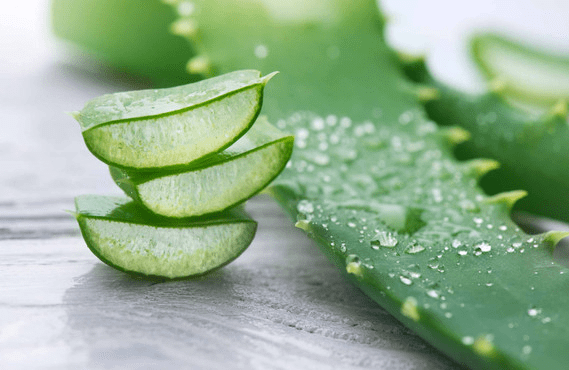
Benefit Countdown: Aloe Vera’s Potential Antimicrobial Support
Below is a structured overview of how aloe vera may contribute to microbial balance, moving from foundational properties to its most practical everyday benefits.
Benefit 9: Rich in Broad-Spectrum Bioactive Compounds
Aloe vera gel contains more than 75 identified active constituents, including anthraquinones like aloin and aloe-emodin. These compounds have demonstrated the ability to interfere with bacterial protein synthesis in laboratory settings, somewhat similar in mechanism to certain antibiotics. Studies show activity against both Gram-positive and Gram-negative bacteria, laying the groundwork for aloe’s antimicrobial reputation.
Benefit 8: Potential Antifungal Effects
Fungal overgrowth can lead to itching, redness, and chronic discomfort. In vitro research indicates that aloe vera extracts may inhibit fungi such as Candida albicans and Aspergillus niger. Phenolic compounds and cinnamic acid are believed to contribute to this antifungal activity, while the gel’s cooling nature provides immediate soothing relief.
Benefit 7: Skin-Soothing and Wound-Healing Support
Minor cuts, burns, or irritations can create openings for microbial invasion. Aloe vera’s polysaccharides help hydrate the skin, while its natural antiseptic properties may reduce microbial growth. Several studies associate topical aloe use with faster wound healing and improved skin integrity, helping restore comfort more quickly.
Benefit 6: Gentle Digestive Support
Microbial imbalances in the gut can contribute to bloating and discomfort. Small amounts of aloe vera juice have traditionally been used for digestive cleansing due to mild laxative anthraquinones. Additionally, emerging research suggests aloe may act as a prebiotic, supporting beneficial gut bacteria when used in moderation.
Benefit 5: Activity Against Common Pathogens
Laboratory studies show aloe vera gel extracts demonstrating activity against common bacteria such as Staphylococcus aureus, Escherichia coli, and Pseudomonas aeruginosa. In some wound-healing models, aloe has performed comparably to standard topical agents, highlighting its broad potential.
Benefit 4: A Natural Option for Minor Concerns
Many people prefer plant-based remedies to minimize side effects. Aloe vera’s anti-inflammatory effects complement its antimicrobial activity, potentially reducing redness, swelling, and irritation alongside microbial control. Early evidence also suggests that combined aloe extracts may work synergistically for enhanced effects.
Benefit 3: Versatile Topical Use for Skin and Nails
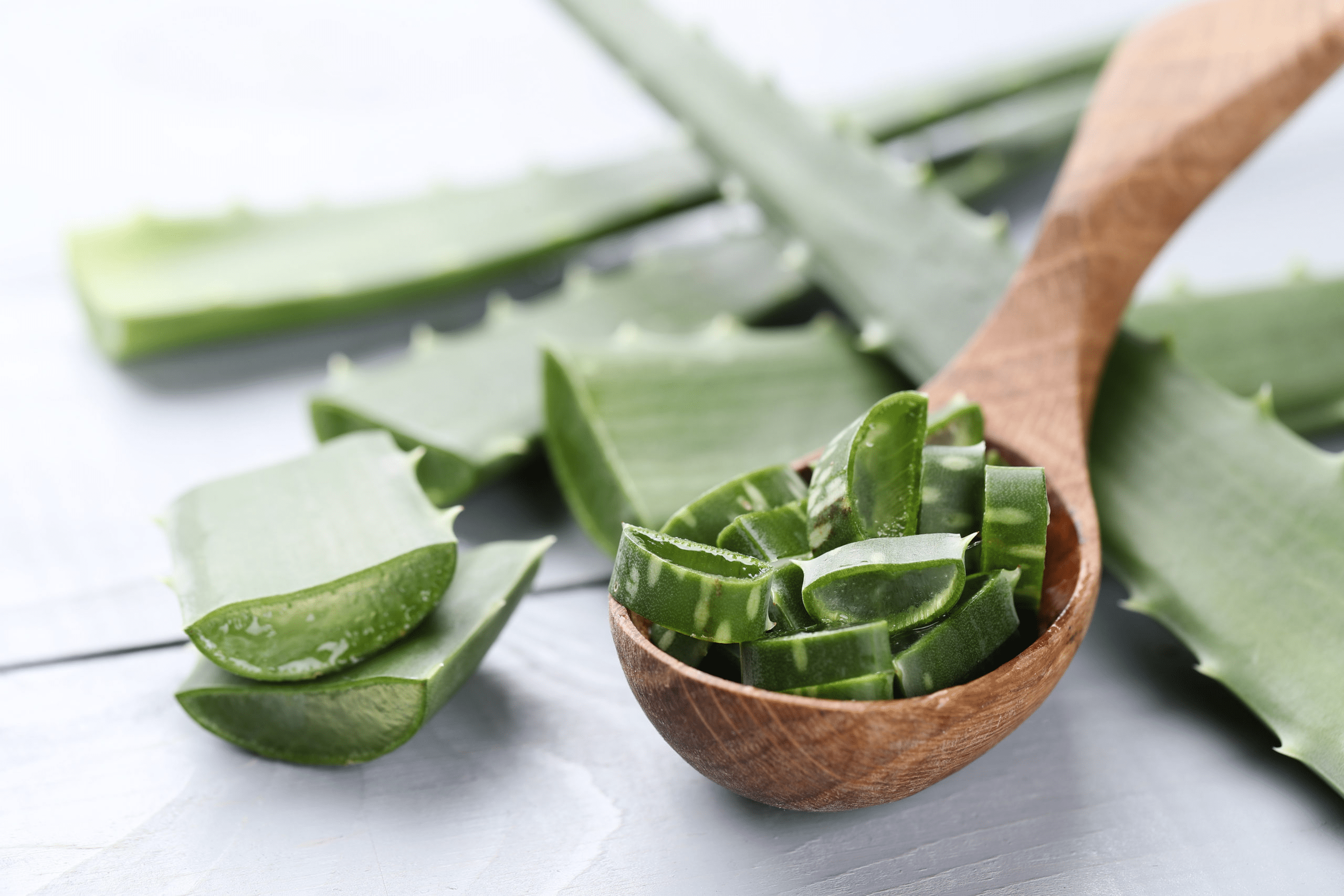
Applied directly, aloe gel may help calm fungal spots, nail issues, or minor bacterial concerns. Its lightweight texture absorbs easily, making it suitable for repeated use. Many users report reduced itching and irritation with consistent application.
Benefit 2: Enhanced by Healthy Lifestyle Habits
Aloe vera works best as part of a broader wellness routine. Proper hygiene, balanced nutrition, and consistency matter. Research indicates that alcohol-based aloe extracts often show stronger antimicrobial effects than water-based ones, highlighting the importance of preparation methods.
Benefit 1: Gentle, Everyday Defense
Rather than acting as a replacement for medical treatment, aloe vera may offer layered, natural support for everyday microbial challenges. Its long history of traditional use, combined with modern laboratory evidence, makes it a practical option for mild, routine needs without harsh effects.
How Aloe Vera Compares to Other Natural Antimicrobials
| Aspect | Aloe Vera | Garlic | Lemon |
|---|---|---|---|
| Key Compounds | Anthraquinones, Phenols, Salicylic Acid | Allicin | Citric Acid, Vitamin C |
| Antimicrobial Focus | Broad (bacteria & fungi) | Strong antibacterial | Mild antibacterial & antifungal |
| Usage Forms | Gel (topical), Juice (internal) | Raw, Extract | Juice, Essential Oil |
| Sensory Experience | Cooling, mildly bitter | Strong, pungent | Tart, refreshing |
| Evidence Level | Strong in vitro, traditional use | Well studied | Moderate |
Aloe vera stands out for its versatility and gentle sensory profile.
Simple Aloe Vera Preparations to Try at Home
Basic Gel Preparation
-
Cut a mature aloe leaf
-
Rinse thoroughly
-
Remove spiny edges
-
Scoop out the clear inner gel
Topical Use
-
Apply a thin layer to clean skin
-
Leave on for 20–30 minutes
-
Rinse if desired
Drinkable Aloe Juice
-
Blend 2 tablespoons of gel with water or lemon juice
-
Strain and sip 1–2 ounces daily
-
Start small to assess tolerance
Always perform a patch test before topical use.
Safety Guidelines for Mindful Use
| Method | Key Notes |
|---|---|
| Fresh Gel Extraction | Avoid yellow latex under the skin |
| Topical Use | Stop if irritation occurs |
| Internal Use | Limit intake; consult a professional if pregnant |
| Storage | Refrigerate fresh gel up to 1 week |
| Medical Conditions | Not intended for serious infections |
Don’t Overlook This Natural Ally
Overlooking aloe vera means missing out on a simple, accessible source of soothing comfort and potential antimicrobial support. From calming the skin to supporting gentle microbial balance, this humble plant offers practical benefits when used thoughtfully.
Empower your daily routine by incorporating aloe vera with care and awareness.
P.S. Ancient Egyptians famously called aloe the “plant of immortality” for its healing reputation—modern science continues to uncover why.
This article is for informational purposes only and does not replace professional medical advice. Always consult a qualified healthcare provider for personalized guidance.