What It Really Means When Your Partner Starts Kissing You With Their Tongue More Often
A change in how your partner kisses you—especially when it becomes more tongue-involved—can feel subtle, but it’s often emotionally significant. Kissing is one of the most instinctive and revealing forms of intimacy. Unlike words, it’s hard to fake. When it changes, it’s usually because something inside the relationship has shifted too.
Here are the deeper meanings behind that change, explored more thoroughly.
Emotional Safety Has Deepened
One of the strongest signals behind more intimate kissing is emotional safety.
Early in relationships, many people hold back—not because they lack desire, but because they’re protecting themselves. Using tongue in a kiss requires vulnerability. It’s close, intense, and personal. When your partner starts doing this more often, it often means:
- They feel accepted by you
- They’re less afraid of being judged
- They trust you with their emotions, not just their body
In other words, they’re no longer guarding themselves. They’re letting you see and feel them more fully.
This kind of safety usually develops over time, through consistency, reassurance, and mutual respect.
Attraction Has Moved Beyond the Surface
Attraction evolves.
At first, attraction is often visual or situational. Later, it becomes emotional and psychological. More frequent French kissing can signal that your partner is now attracted to who you are, not just how you look or how new the relationship feels.
This deeper attraction is often fueled by:
- Feeling understood by you
- Admiring your personality or values
- Feeling emotionally stimulated in your conversations
- Associating you with comfort, warmth, or excitement
That’s why these kisses often feel more intense or meaningful—they’re connected to emotional desire, not just physical impulse.
Desire Is Becoming More Intentional
There’s a difference between impulsive desire and intentional desire.
When your partner kisses you more deeply, slowly, or frequently, it often shows they’re being present rather than reactive. They’re not rushing. They’re savoring the connection.
This can mean:
- They enjoy closeness with you, not just outcomes
- They’re focused on the experience itself
- They want to prolong moments of intimacy
- Intentional desire usually appears when someone feels emotionally invested rather than uncertain.
Their True Personality Is Emerging
As comfort grows, people stop performing and start being real.
Kissing often reveals aspects of someone’s personality that words don’t:
- Confident, leading kisses → decisiveness, assertiveness, initiative
- Playful kisses → curiosity, humor, creativity
- Slow, deliberate kisses → emotional depth, thoughtfulness, patience
- Adaptive, responsive kisses → empathy, emotional intelligence
If your partner’s kissing style has changed, it may be because they’re no longer trying to “do it right”—they’re simply expressing themselves.
Physical Comfort Reflects Emotional Comfort
The body follows the heart.
When someone feels emotionally relaxed, their body naturally becomes more expressive. More tongue in kissing often means:
- They’re no longer tense or self-conscious
- They feel secure in how you perceive them
- They’re comfortable being close for longer periods
This usually coincides with other signs of comfort, such as:
- Longer eye contact
- More spontaneous affection
- Easier silence together
- Less overthinking interactions
They’re Paying Attention to You
How someone kisses matters more than what they do.
If your partner adjusts their rhythm, responds to your cues, slows down when you do, or mirrors your movements, it shows attunement. This means they’re emotionally present and invested in mutual enjoyment—not just their own.
This type of responsiveness often reflects:
- Respect for your boundaries
- Awareness of your comfort level
- Genuine care about your experience
People who kiss attentively often listen attentively too.
A Desire to Keep the Relationship Alive
Sometimes, increased intimacy is intentional exploration.
Your partner may:
- Want to reignite excitement
- Feel inspired to deepen closeness
- Be responding to positive energy between you
- Want to avoid falling into routine
This kind of experimentation is usually a sign of commitment, not boredom. It shows effort and interest in growing together.
Confidence and Emotional Initiative
Initiating deeper kisses often reflects emotional courage.
Your partner may feel:
- Confident expressing desire
- Secure enough to take initiative
- Comfortable leading moments of closeness
This doesn’t necessarily mean dominance—it often means emotional clarity. They know they want you, and they’re not afraid to show it.
Presence Over Performance
Some kisses feel unhurried, grounding, and warm.
These often come from partners who value being present rather than chasing intensity. For them, kissing is a way to connect, not escalate. It says: “I’m here with you. This moment matters.”
This often reflects emotional maturity and mindfulness.
Caution Can Still Be a Good Sign
If your partner’s tongue use is gentle, brief, or hesitant, that doesn’t mean disinterest.
It may mean:
- They’re naturally reserved
- They’re pacing intimacy thoughtfully
- They care about not overwhelming you
- They’re still learning how to express themselves physically
Slow growth often indicates seriousness rather than avoidance.
Final Reflection
Kissing is a language.
When your partner starts kissing you more deeply, it’s rarely random. It usually reflects changes in trust, attraction, comfort, or emotional closeness. The key isn’t to overanalyze every moment—but to notice the overall pattern.
If the kisses feel warm, mutual, and emotionally grounded, they’re likely a sign that your connection is strengthening.
And sometimes, the simplest truth applies:
A kiss doesn’t always mean more is coming. Sometimes, it means more already exists.

News in the same category


Why Neck Skin Sags as We Age

Doctors Reveal: Eating Cabbage Can Trigger Hidden Health Problems If You’re Not Careful

The Winged Bean Secret: A Simple Vegetable With Big Benefits for Eyes, Immunity, and Heart Health

Why Do I Get Skin Tags on My Neck or Armpits—and How Can I Get Rid of Them? Experts Explain

Doctors Reveal What Eating Broccoli Really Causes in the Body

What Weak or Brittle Nails May Be Telling You About Your Health

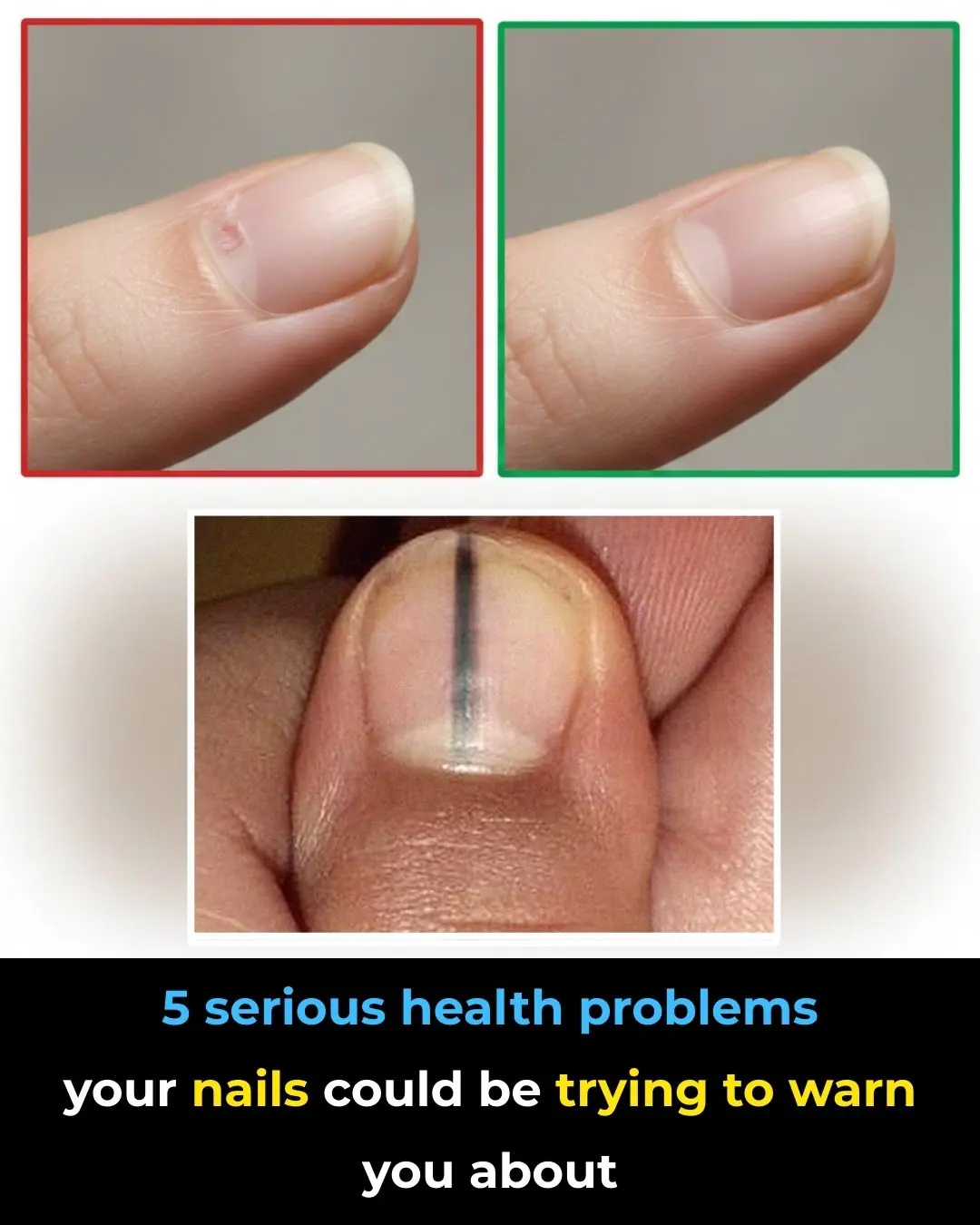
Nail Clues: 5 Health Problems You Shouldn’t Ignore

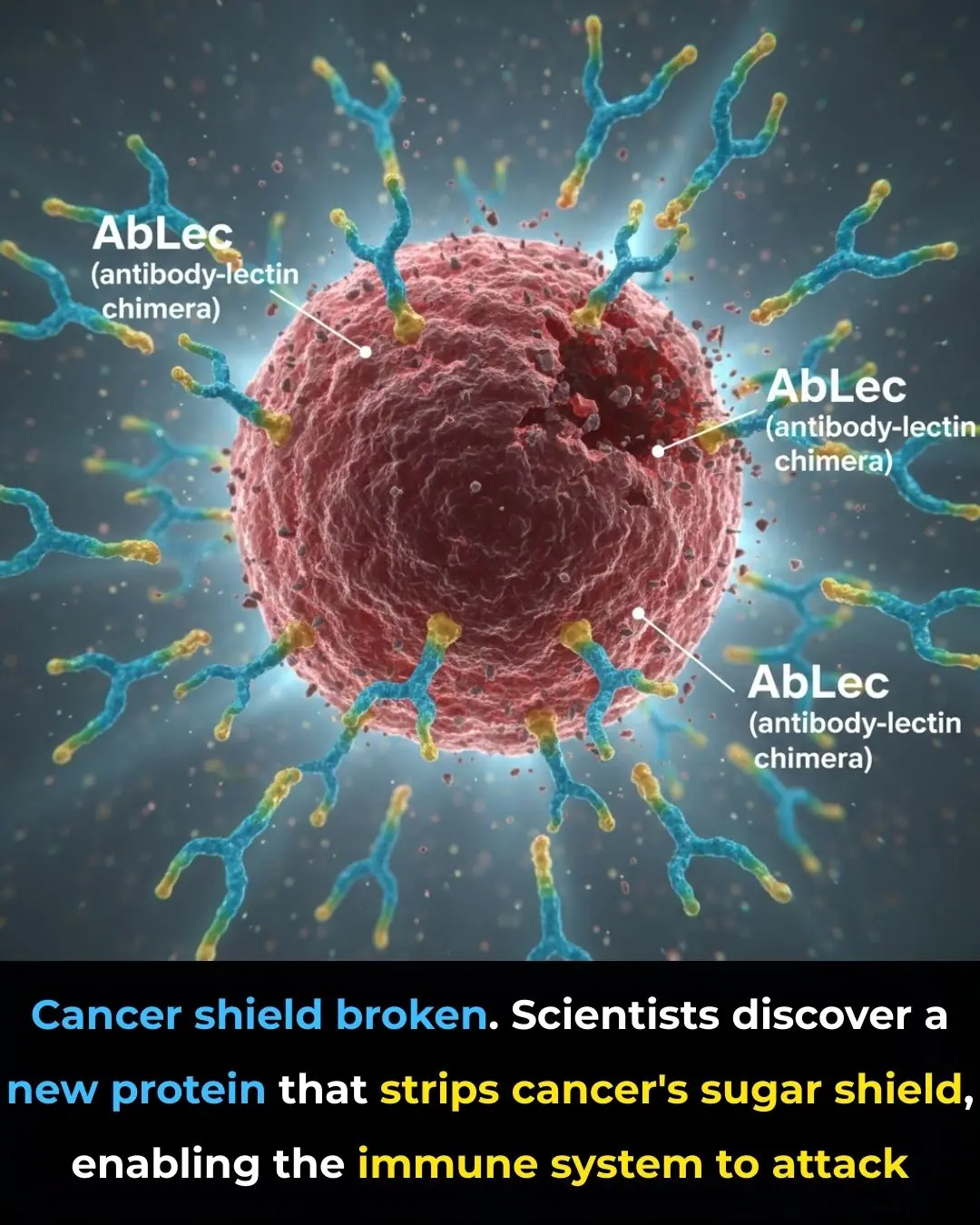
New Protein Breakthrough Unmasks Cancer Cells, Boosting the Power of Immunotherapy

Sugary Soft Drinks, Gut Bacteria, and Depression: How What You Drink May Shape Mental Health

Are You Using New Tools to Support Patients With DD-CKD Anemia?

Drug Shortages in the United States Are Forcing Major Changes in Primary Care Practice

Five Reasons to Eat One Banana a Day: A Simple Habit for Better Health and Longevity

Three Simple Ways to Use White Radish to Reduce Phlegm, Relieve Cough, and Support Lung Health

A Couple Diagnosed With Liver Cancer at the Same Time: Doctors Urgently Warn After Opening Their Refrigerator

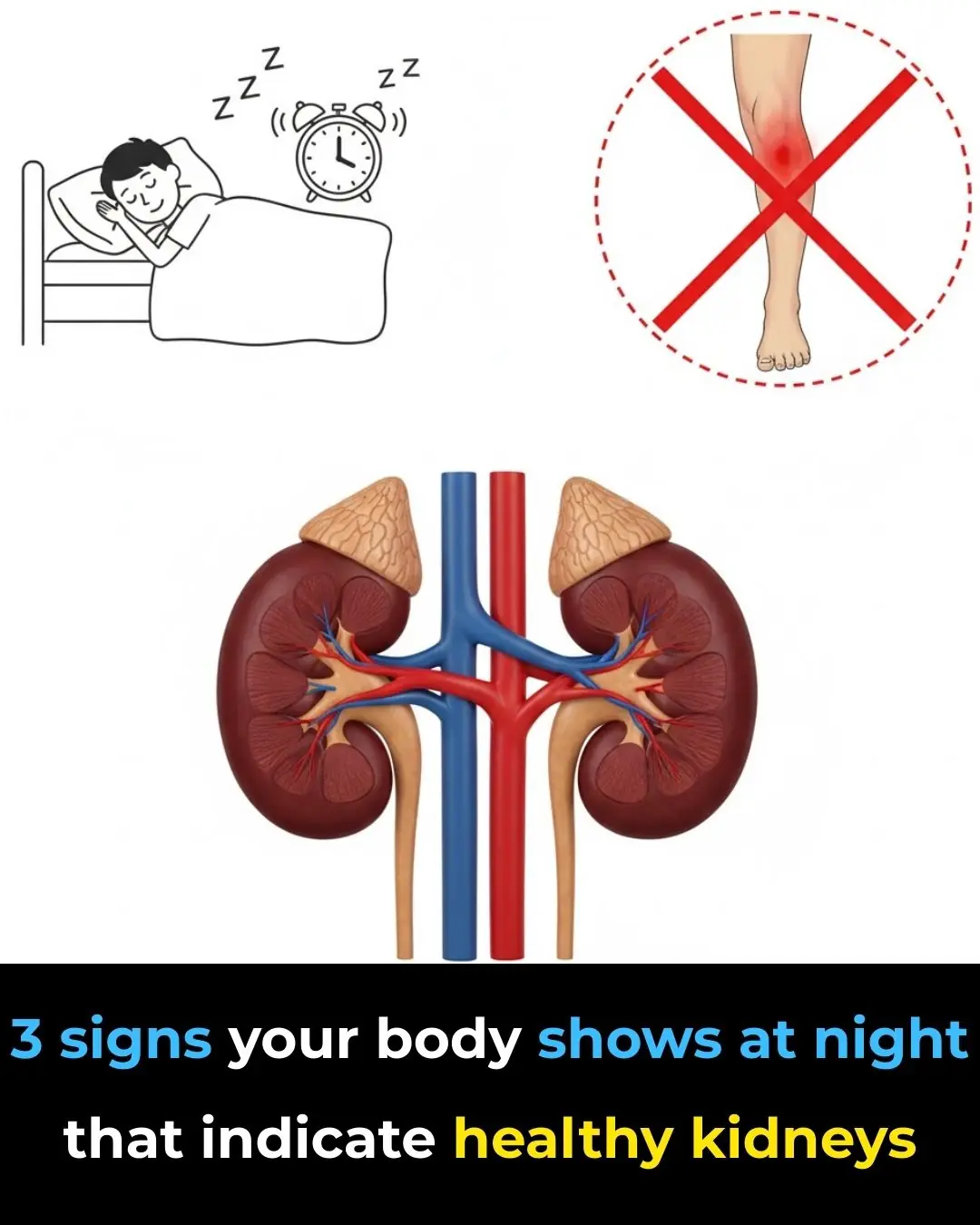
🌙 If You Notice These 3 Signs at Night, Your Kidneys Are Likely in Great Shape

Diagnosed with terminal cancer that had metastasized to the brain, the woman went for a check-up and burst into tears upon learning that her husband and son were the culprits

Doctors warn: 4 types of inflammation can easily turn into cancer in just one year if treatment is delayed

Triple Therapy Linked to Lower Lung Clearance Index in Children With Cystic Fibrosis
News Post

Easy Tips to Keep Your Bathroom Smelling Fresh All Day

Why Neck Skin Sags as We Age

Doctors Reveal: Eating Cabbage Can Trigger Hidden Health Problems If You’re Not Careful

The Winged Bean Secret: A Simple Vegetable With Big Benefits for Eyes, Immunity, and Heart Health

Why Do I Get Skin Tags on My Neck or Armpits—and How Can I Get Rid of Them? Experts Explain

Doctors Reveal What Eating Broccoli Really Causes in the Body

What Weak or Brittle Nails May Be Telling You About Your Health

Nail Clues: 5 Health Problems You Shouldn’t Ignore

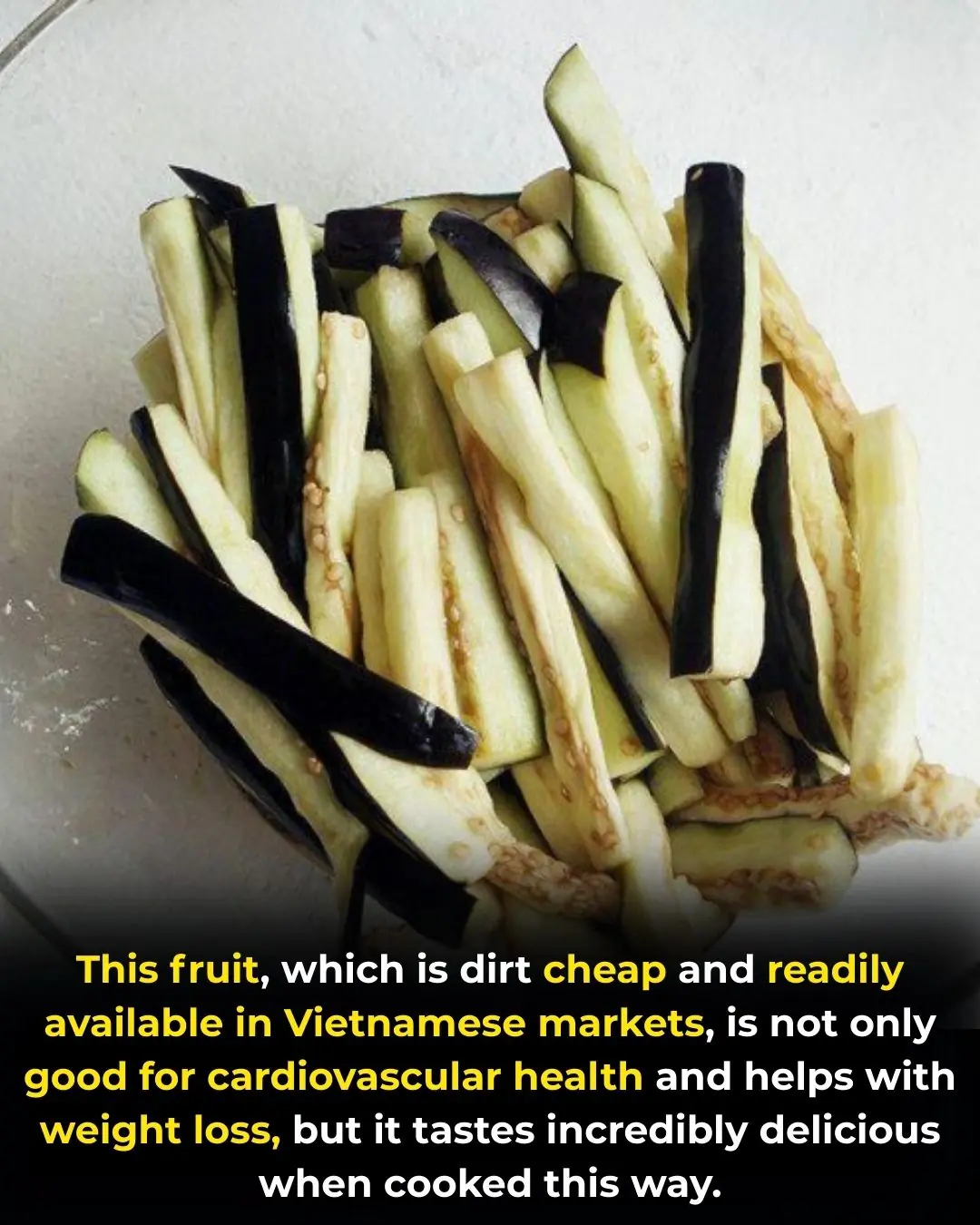
Why Eggplant Is an Affordable Superfood for Heart Health and Weight Management

Why Bamboo Shoots Are a Fiber-Rich Vegetable Worth Cooking the Right Way

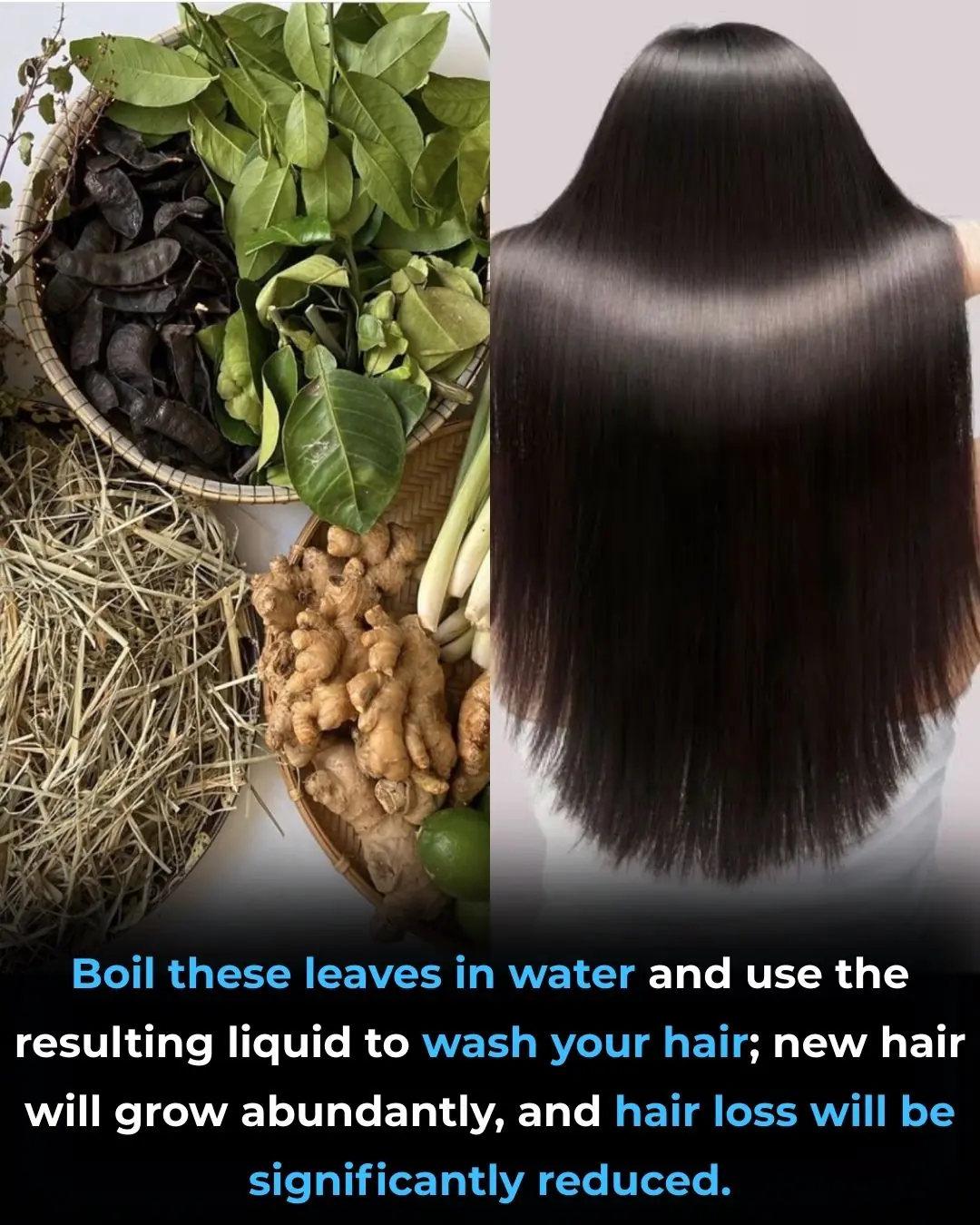
Can Herbal Hair Washes Really Reduce Hair Loss and Promote Hair Growth?

Why You Should Avoid Hanging Clothes in These Places During Winter

New Protein Breakthrough Unmasks Cancer Cells, Boosting the Power of Immunotherapy

Sugary Soft Drinks, Gut Bacteria, and Depression: How What You Drink May Shape Mental Health

Exploring the Traditional Uses and Potential Wellness Benefits of Prickly Lettuce Leaves (Lactuca serriola)

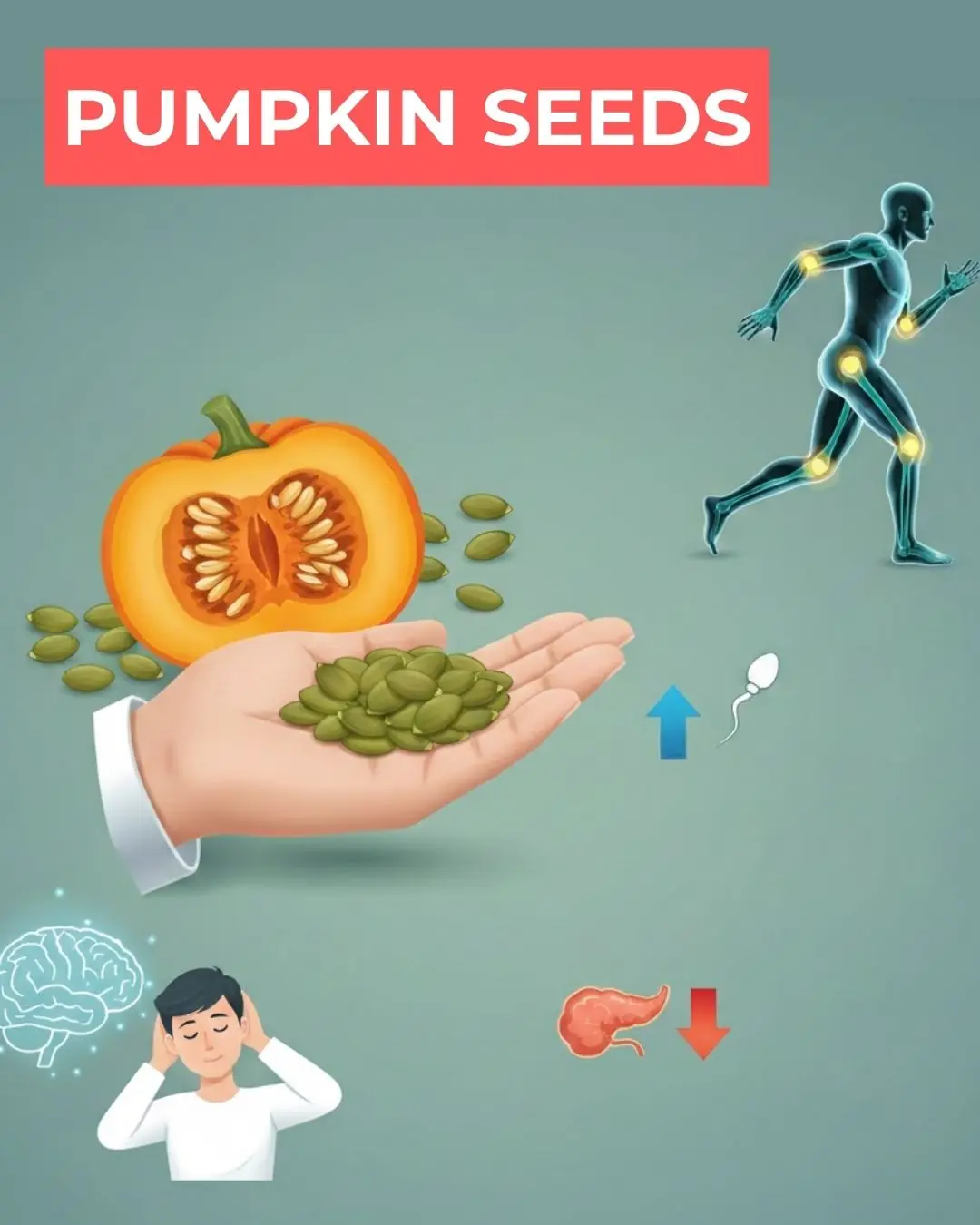
Pumpkin Seeds for Health: Natural Remedies, Recipes, and Benefits

11 Benefits of Dandelion Roots

7 Essential Leaves to Naturally Improve Your Eye Health