Are You Using New Tools to Support Patients With DD-CKD Anemia?
Health 15/01/2026 12:52
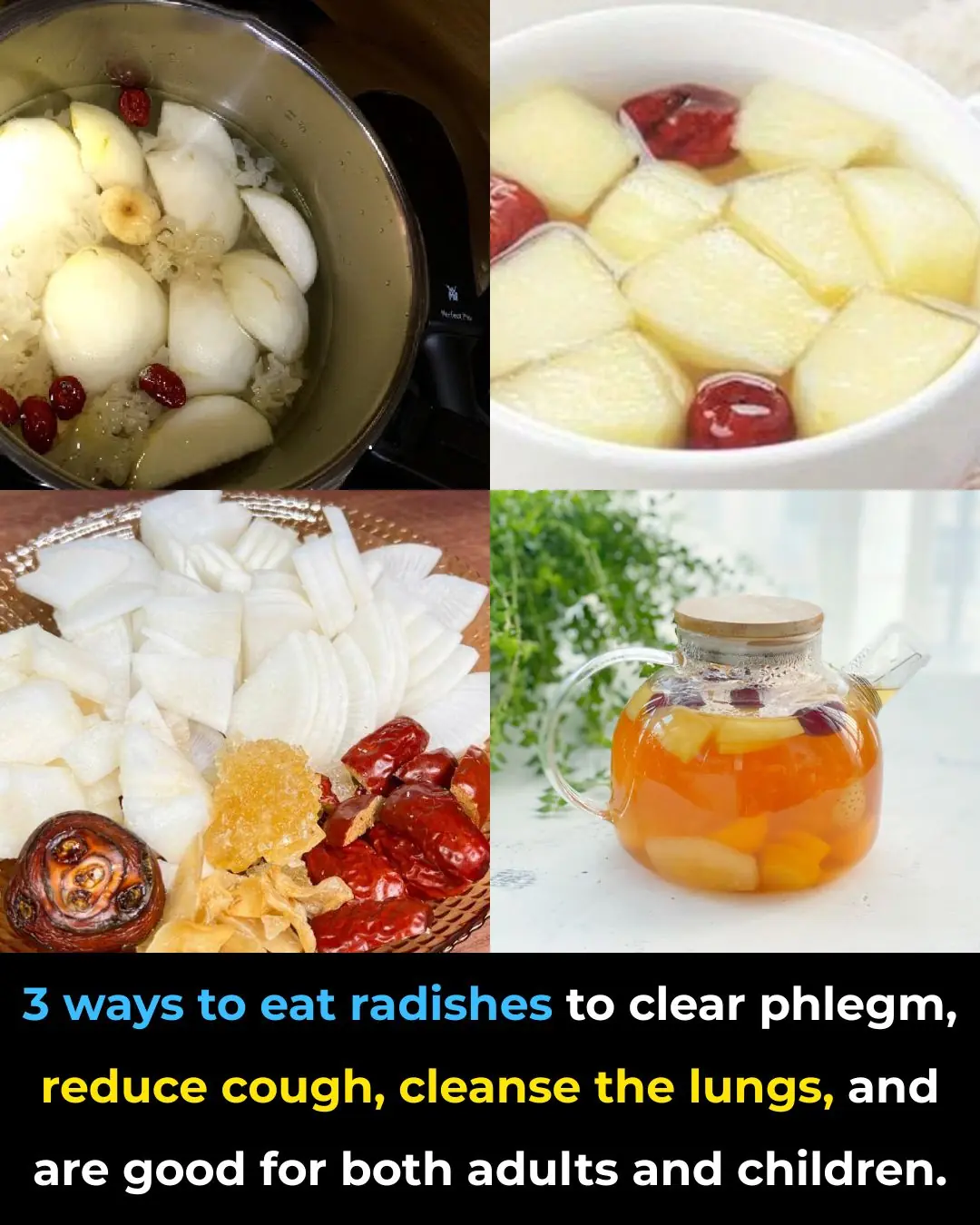
White radish can be combined with other nutritious ingredients to create simple remedies that support respiratory health. These preparations may help soothe the throat, reduce phlegm, ease dry coughs, and assist recovery from colds.
During cold or dry seasons, many people experience frequent coughing, dry cough, difficulty clearing phlegm, chest tightness, or wheezing—especially young children and older adults. In addition to following medical advice when needed, certain traditional food-based remedies made from white radish may help clear mucus from the respiratory tract. White radish is widely regarded as an effective, affordable ingredient with multiple health benefits.
By combining white radish with easily available ingredients, you can prepare simple drinks that help loosen phlegm, cleanse the lungs, and support the respiratory system.
The combination of white radish, pear, and red apple helps soothe the throat and relieve dryness in the airways, making it especially useful for dry coughs. This remedy is suitable for people who feel throat irritation, persistent dry coughing, or a sensation of blockage in the throat without being able to expel phlegm—a common condition in cold, dry weather or when spending long hours in air-conditioned or heated rooms.
From a traditional medicine perspective, white radish has cooling properties and a mildly pungent taste. It helps thin mucus and promote the expulsion of phlegm from the bronchi, improving airflow and reducing chest tightness or shortness of breath.
Pear helps moisturize the lungs and soothe irritated respiratory membranes, while red apple balances the cooling nature of radish and pear. Red apple also helps warm the digestive system slightly and adds natural sweetness, making the drink more pleasant to consume.
When used regularly, this combination helps keep the throat moist, reduces irritation, and gradually lessens coughing. Simply simmer all ingredients until soft. Drink while warm, consuming both the liquid and the softened fruit for best results.
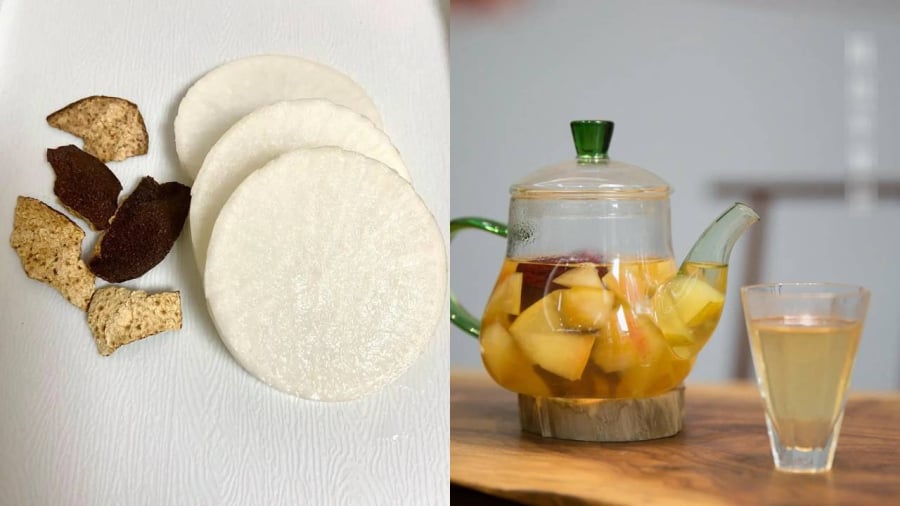
White radish combined with dried tangerine peel (chen pi) is especially helpful for reducing thick phlegm and relieving wheezing. This remedy is suitable for people who cough frequently with dense mucus, experience chest heaviness, shallow breathing, or have chronic bronchial issues—particularly older adults.
White radish helps thin mucus and promote its removal from the respiratory tract, making coughing more productive and easing breathing. Dried tangerine peel is commonly used in traditional medicine to regulate lung moisture, break down phlegm, reduce chest congestion, and improve airflow.
Together, white radish and dried tangerine peel form a drink that supports lung health, helps clear the airways, and reduces coughing and phlegm buildup.
The combination of radish peel, ginger, and onion helps dispel cold, relieve cough, and clear nasal congestion. This remedy is suitable for people who are in the early stages of a cold, experiencing sneezing, runny or blocked nose, mild cough with clear phlegm, or chills.
Radish peel has stronger warming and dispersing properties than the radish flesh. It helps release cold from the body and reduce airway constriction, easing chest tightness and breathing discomfort.
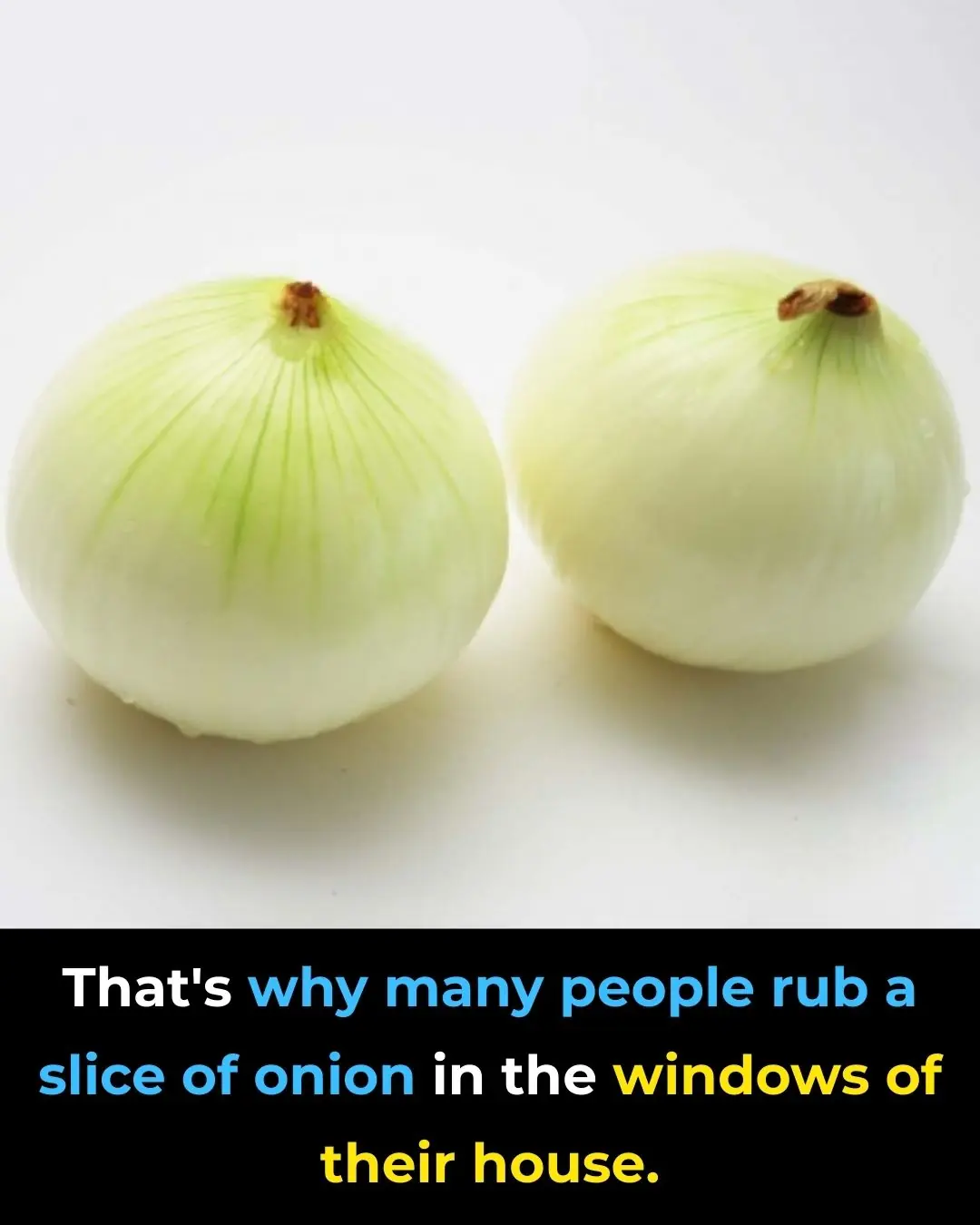
White onion—especially the root—helps warm the upper respiratory tract, clear nasal passages, and relieve sore throat. Ginger provides warmth, stimulates circulation, and helps warm the lungs.
Boiling radish peel, ginger, and onion in water and drinking the mixture while warm may induce light sweating, help clear the nose, and make breathing easier.
Although white radish offers many health benefits, it should be used in moderation—generally 1–2 times per day and for no more than 2–3 consecutive days. If symptoms include high fever, green or yellow phlegm, chest pain, difficulty breathing, or a persistent cough that does not improve, medical consultation is strongly recommended to determine the cause and receive appropriate treatment.