Health 15/01/2026 22:51
Never Broken a Bone
Have you gone through childhood mishaps, teenage recklessness, and adult life without ever breaking a single bone? If so, you may be more of an outlier than you think.
While most people experience at least one fracture at some point, a growing conversation on social media—especially on Instagram and TikTok—suggests that never breaking a bone might carry symbolic or even spiritual meaning. Recently, a self-described psychic and medium named Rachel Stiles reignited this debate by sharing four popular theories that attempt to explain why some individuals remain fracture-free for their entire lives.
Whether you view these ideas as spiritual interpretations, modern folklore, or simply entertaining speculation, they’ve clearly struck a nerve. Thousands of people commented that the theories felt oddly accurate—or even comforting.
Here are the four most talked-about explanations—and why so many people say they resonate.
1. Spiritual Protection: “Someone Is Watching Over You”
The most widely discussed theory centers on the idea of spiritual protection.

According to Stiles, people who have never broken a bone may be under the care of a protective presence from the spiritual realm. Depending on personal beliefs, this could be a guardian angel, a spirit guide, or a deceased loved one offering unseen protection.
To support this idea, she references Psalm 34:19–20, which suggests that although righteous individuals may face hardship, they are divinely protected—“not one of their bones will be broken.” For believers, this passage reinforces the idea that physical protection can coexist with emotional or life challenges.
Many commenters echoed this sentiment. Some joked that while life had tested them in countless ways, their bodies somehow remained intact. Others—particularly older adults—shared that they had lived 40, 50, or even 70 years without a single fracture and firmly believed they were being watched over.
2. Emotional Pain Replacing Physical Injury
The second theory proposes a kind of symbolic trade-off: less physical pain, more emotional depth.
According to this view, people who avoid bone fractures may be built—physically and energetically—to endure emotional hardship instead. Stiles suggests that a strong, resilient body may compensate for deeper emotional experiences, allowing a person to carry psychological weight without physical breakdown.
This idea resonated strongly with followers who commented that while their bones had never broken, their hearts certainly had. Many described experiences of grief, loss, anxiety, or emotional trauma, joking that they must have been “assigned” emotional suffering instead of physical injury.
Symbolically, this theory frames physical durability as part of a larger balancing act—one that prioritizes emotional growth and inner resilience over bodily pain.
3. Reincarnation and “Spiritual Bone Strength”
Another explanation draws from the belief in reincarnation, the idea that the soul lives many lives, learning different lessons each time.
According to this theory, people who have never broken a bone may have already endured significant physical trauma in past lives. As a result, this lifetime places less emphasis on physical injury and more on emotional, intellectual, or spiritual development.
Stiles refers to the concept of “strong spiritual bones”—a metaphor suggesting that the soul has already learned what it needed to through physical suffering before. For those who believe in reincarnation, avoiding fractures isn’t random luck, but a sign of progress carried over from previous incarnations.
Even for skeptics, this idea reframes physical safety as something more intentional than coincidence, adding a layer of meaning to an otherwise ordinary life detail.
4. Ancestral Protection and Lineage Strength
The final theory looks backward—to ancestry.
In many cultures, bones symbolize heritage, strength, continuity, and ancestral wisdom. From burial traditions to spiritual rituals, bones often represent the physical link between generations.
Stiles suggests that never breaking a bone could reflect a deep ancestral connection, with resilience and protection passed down through family lines. According to this view, ancestral energy acts as a quiet shield, guiding and protecting descendants—sometimes in ways they don’t consciously notice.
Many followers shared striking stories: years of contact sports, horse riding, construction work, or risky activities—yet no fractures. They described near-misses that felt too frequent to be random, interpreting them as signs of ancestral or spiritual protection rather than pure luck.
So What’s the Truth: Fate, Belief, or Biology?
From a scientific perspective, avoiding broken bones is usually explained by a mix of genetics, bone density, nutrition, activity level, risk exposure, and plain chance. Some people are simply more cautious—or more fortunate.
Still, these symbolic theories persist because they offer meaning. Humans naturally look for patterns, especially in traits that set them apart. For many, these explanations feel validating, comforting, or even empowering—regardless of whether they are literally true.
Whether you see these ideas as spiritual insight, modern myth, or harmless curiosity, one thing is certain: never breaking a bone is unusual enough to spark fascination.
And sometimes, fascination alone is reason enough to explore the stories behind it.
So if you’ve made it through life without a cast, a brace, or an X-ray-confirmed fracture—maybe it’s just good luck.
Or maybe, as some believe, there’s something unseen quietly keeping you intact.
News in the same category
3 Selfish Habits of Husbands That Increase Their Wives’ Risk of Cervical Cancer – Stop Them Now Before They Harm the Whole Family
Restoring Brain Energy Reverses Advanced Alzheimer’s Pathology in Preclinical Models
Remission Is a Reminder of the Power of Belief

A Scientist Injected Herself With Viruses to Treat Cancer — and It Worked

HMGB1 Identified as a Key Regulator of Aging and Tissue Regeneration
Forget Plaque: Alzheimer’s May Be a Brain Energy Crisis

Regenerative Ear Drop Therapy Restores Natural Hearing in Early Trials

ADHD Treatment in Childhood Linked to Higher Adult BMI and Slight Height Reduction
What It Really Means When Your Partner Starts Kissing You With Their Tongue More Often
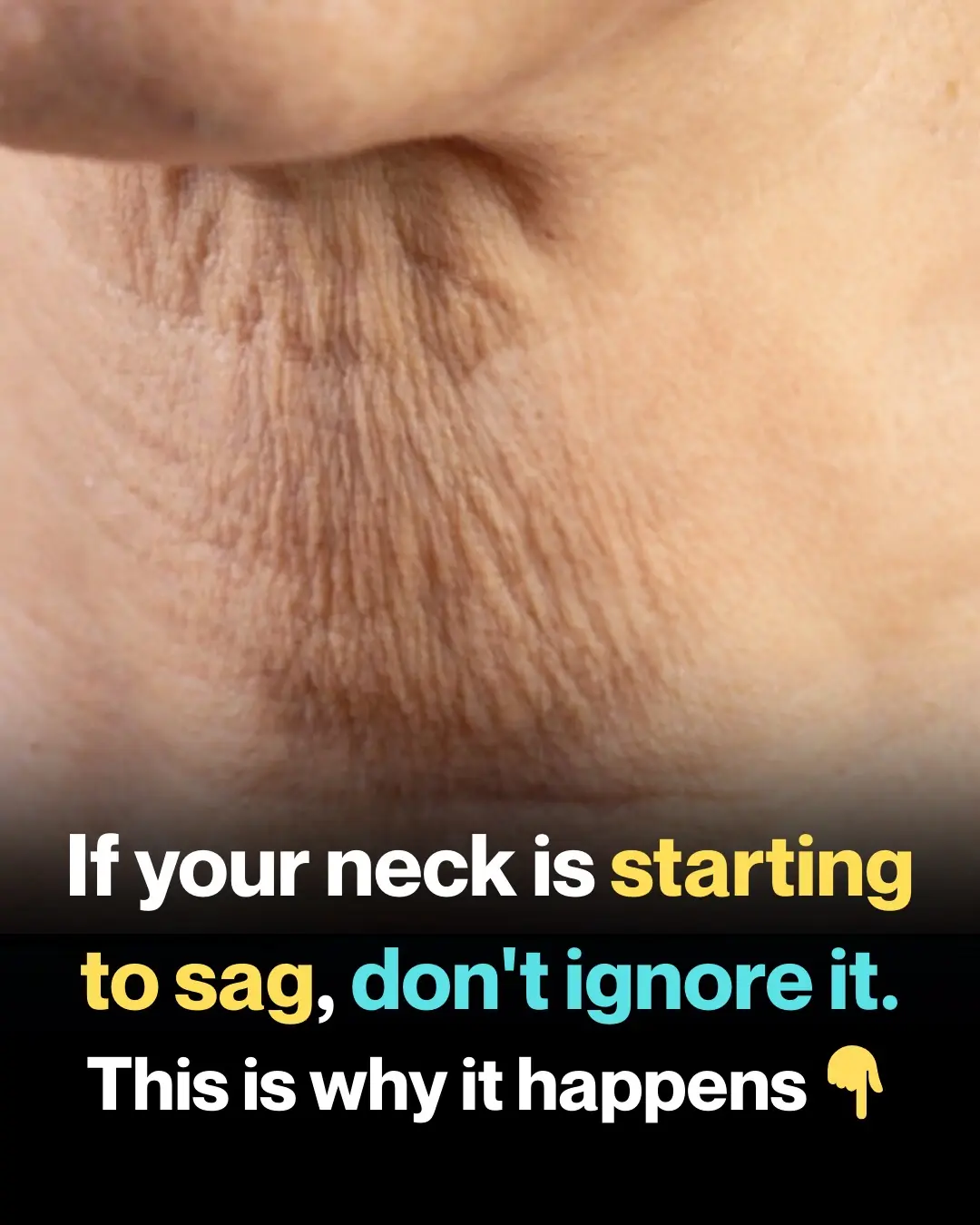
Why Neck Skin Sags as We Age
Doctors Reveal: Eating Cabbage Can Trigger Hidden Health Problems If You’re Not Careful

The Winged Bean Secret: A Simple Vegetable With Big Benefits for Eyes, Immunity, and Heart Health
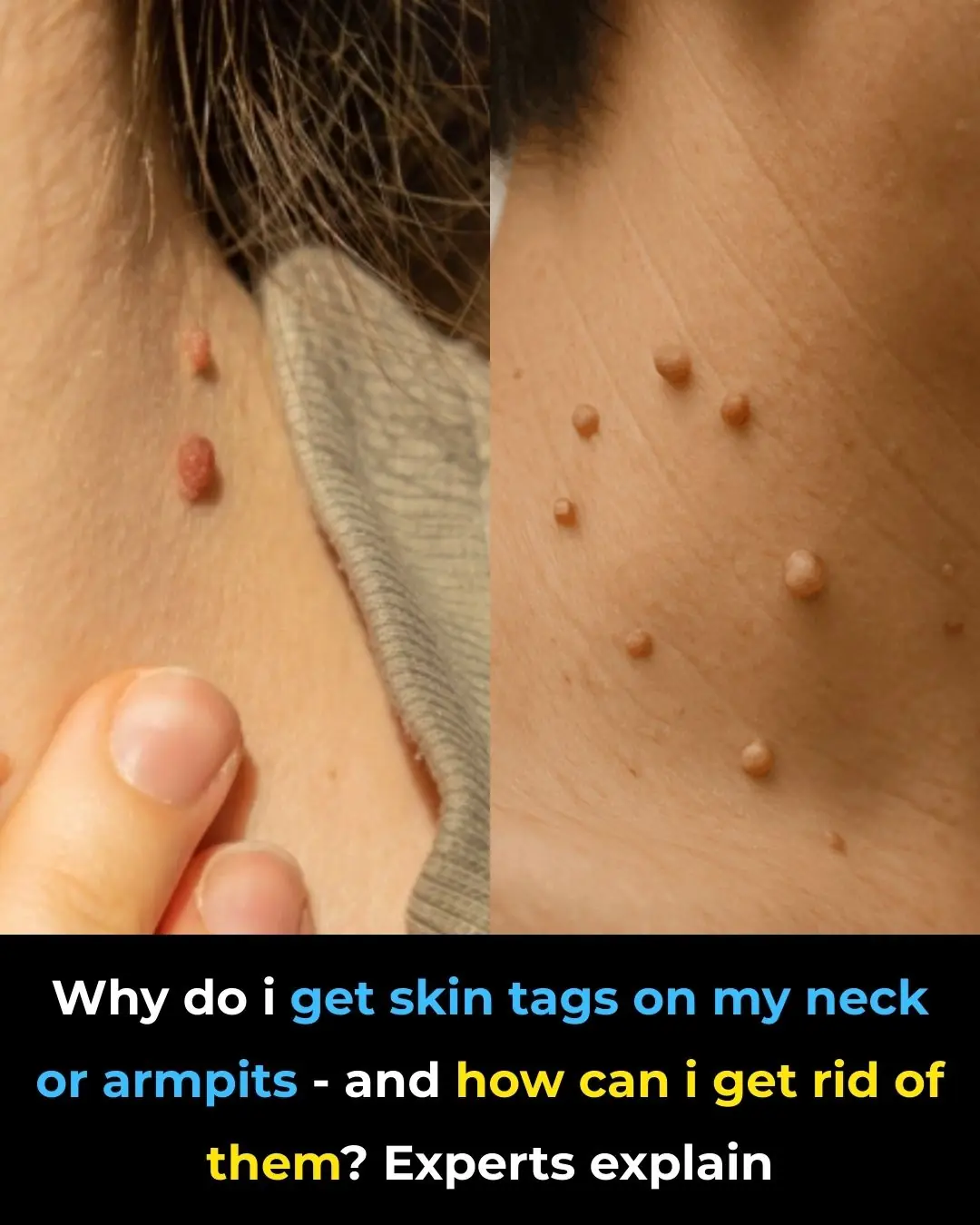
Why Do I Get Skin Tags on My Neck or Armpits—and How Can I Get Rid of Them? Experts Explain
Doctors Reveal What Eating Broccoli Really Causes in the Body
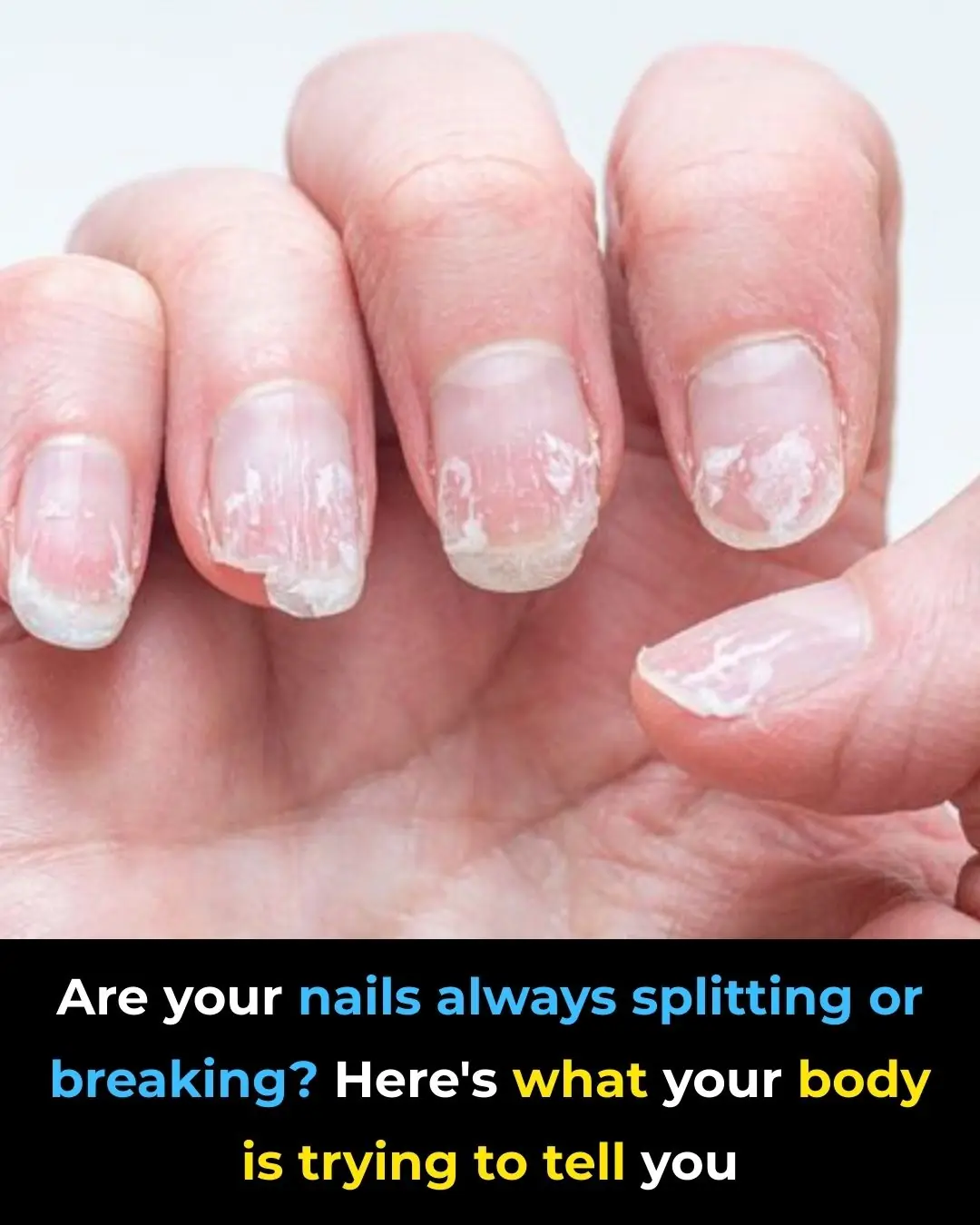
What Weak or Brittle Nails May Be Telling You About Your Health
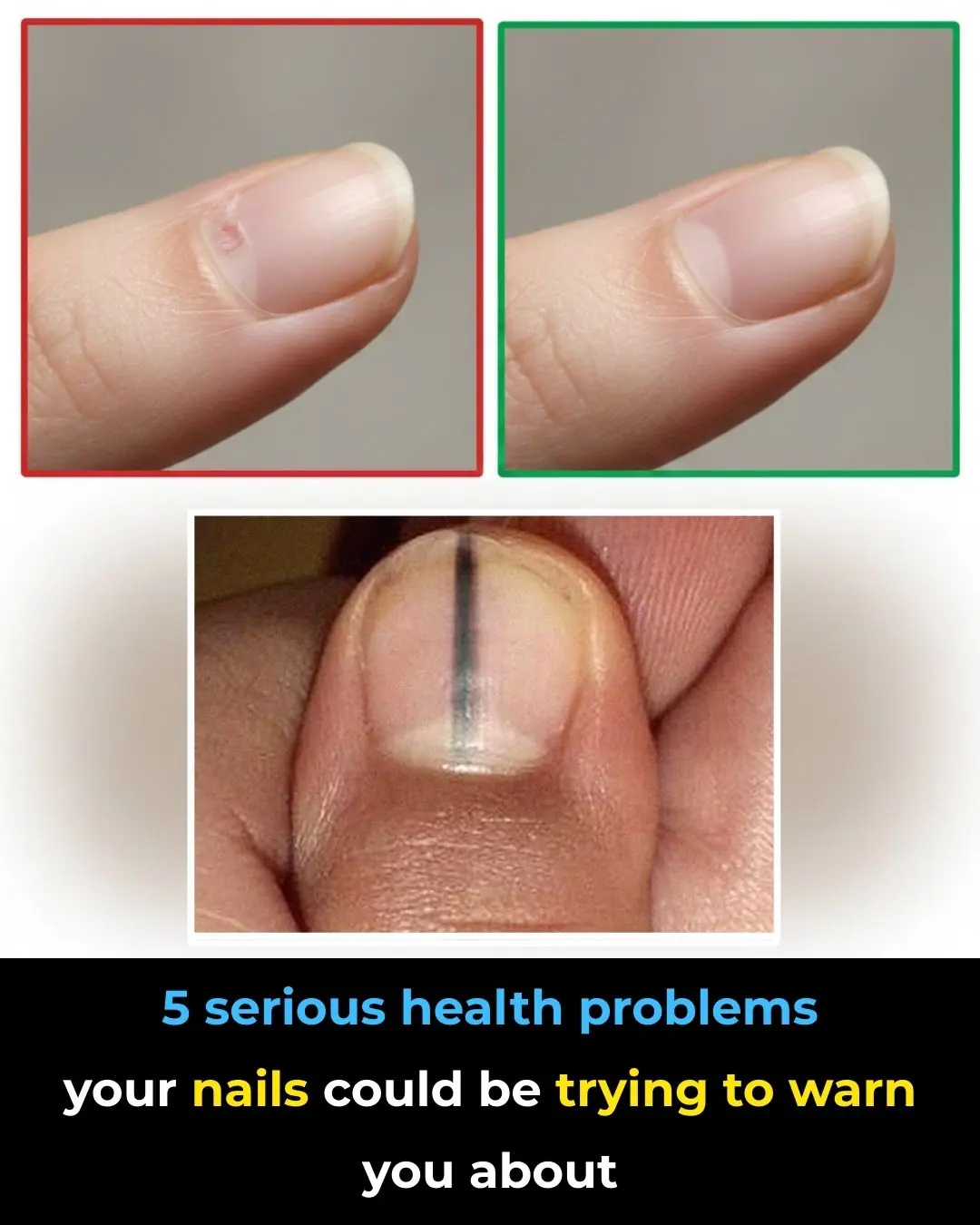
Nail Clues: 5 Health Problems You Shouldn’t Ignore
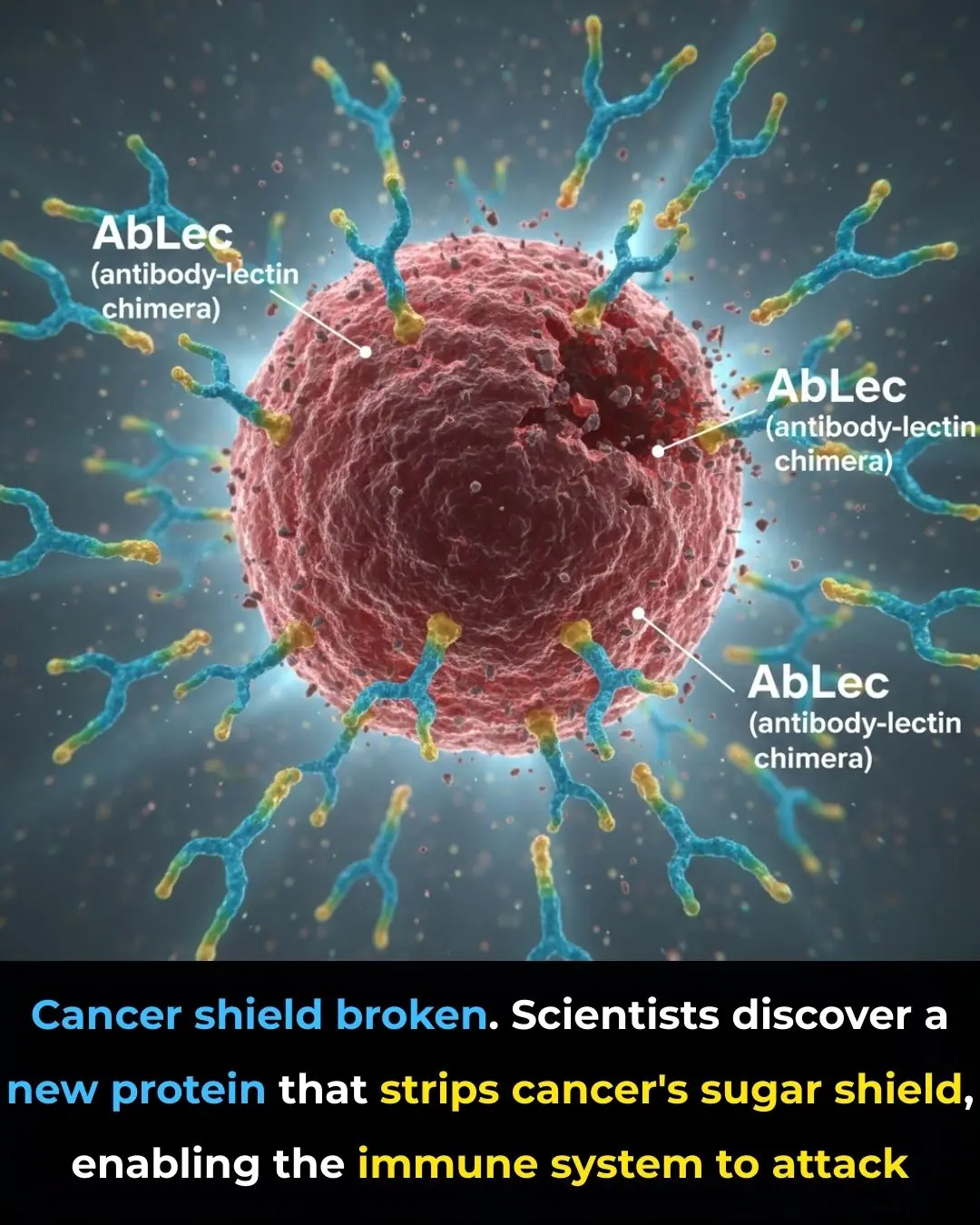
New Protein Breakthrough Unmasks Cancer Cells, Boosting the Power of Immunotherapy

Sugary Soft Drinks, Gut Bacteria, and Depression: How What You Drink May Shape Mental Health
News Post
🌙 If You Notice These 3 Signs at Night, Your Kidneys Are Likely in Great Shape
Health 15/01/2026 22:48
3 Selfish Habits of Husbands That Increase Their Wives’ Risk of Cervical Cancer – Stop Them Now Before They Harm the Whole Family
Health 15/01/2026 22:45

Washing blood stains from bed sheets with hot water or detergent is completely wrong; this method will remove them completely, leaving no trace.
Tips 15/01/2026 22:22

Don't put tomatoes in the refrigerator: Here's how to keep them fresh for a whole week without them spoiling.
Tips 15/01/2026 22:20

Bihar Jewellery Shops Restrict Face‑Covered Customers: Security vs. Freedom ⚖️✨
Life stories 15/01/2026 22:19

Nalini Unagar’s Viral Post Sparks Debate on Food Delivery Transparency 🍲📱
Life stories 15/01/2026 22:17

Tips for boiling okra to keep it vibrant green, not slimy, and retain all its nutrients.
Tips 15/01/2026 22:16

Hrithik Roshan’s Birthday: A Celebration of Grace, Growth, and Mutual Respect 🎂✨❤️
Life stories 15/01/2026 22:15

Raghav Chadha Steps Into the Gig Economy: A Call for Labor Rights 🚴♂️📦
Life stories 15/01/2026 22:14
Thomas Fuller: The “Virginia Calculator” Who Defied Oppression 🧮✨
Life stories 15/01/2026 22:14
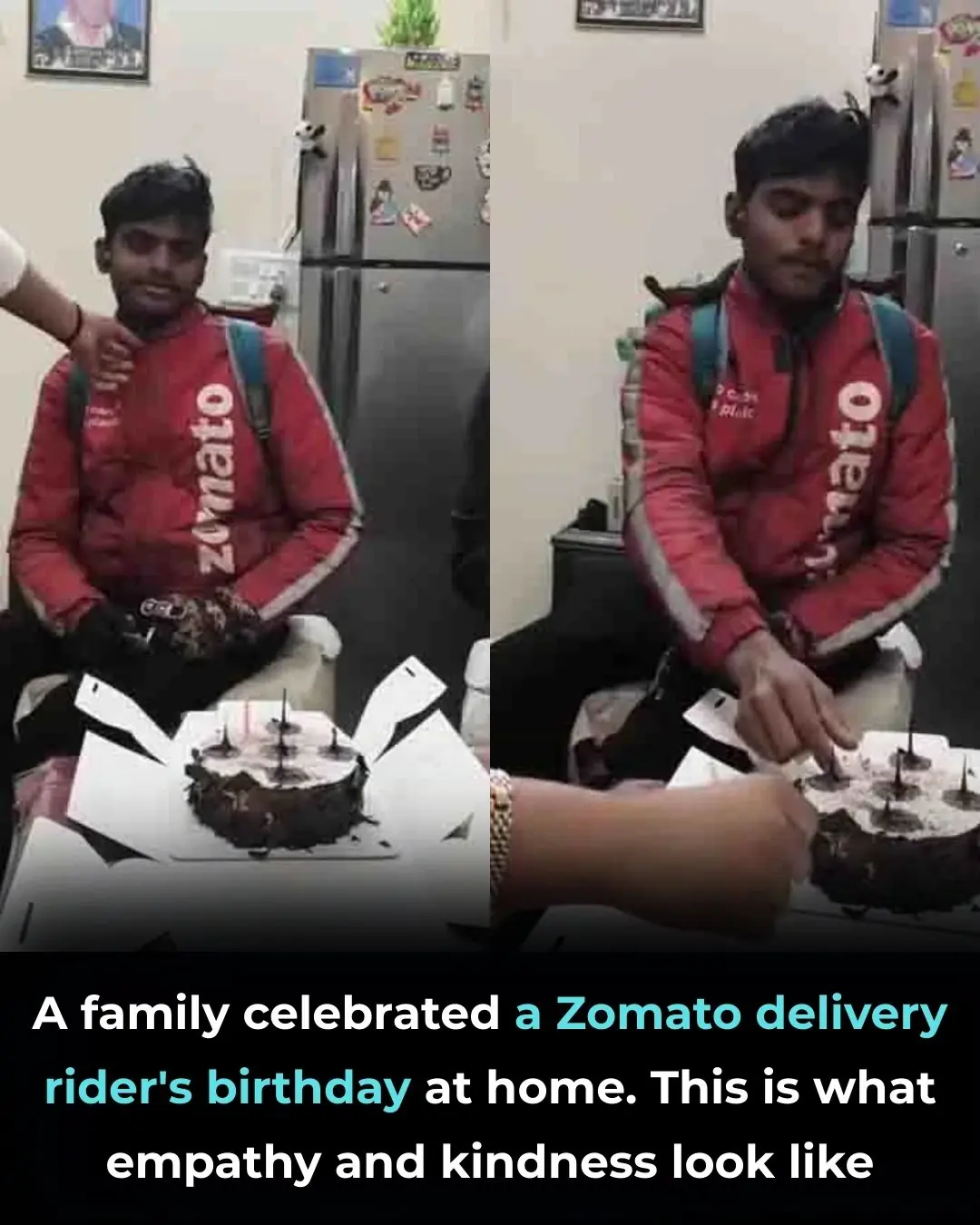
A Birthday Surprise That Touched Millions 🎂❤️
Life stories 15/01/2026 22:13
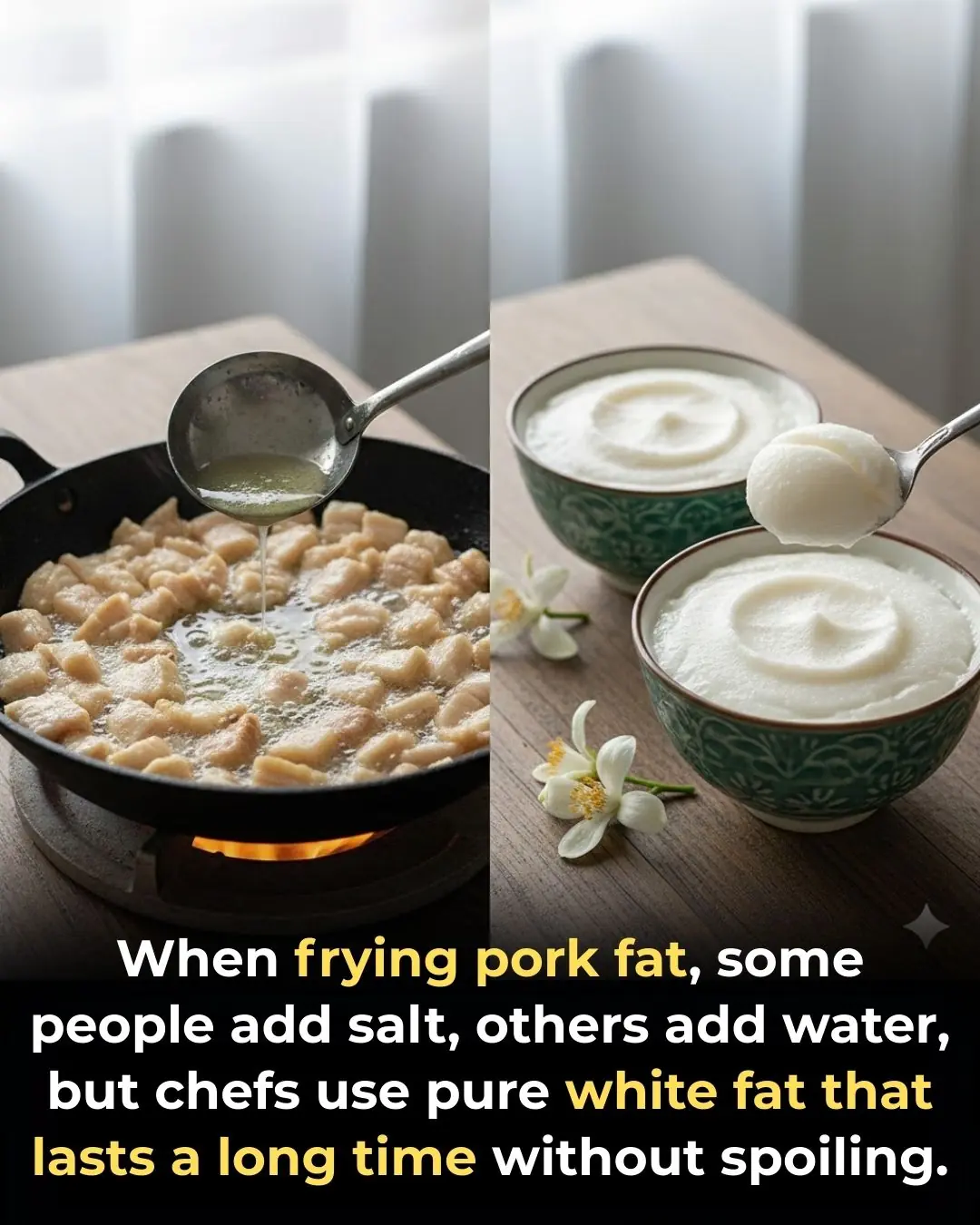
When frying pork fat, some people add salt, others add water, but chefs use pure white fat that lasts a long time without spoiling.
Tips 15/01/2026 21:48
Restoring Brain Energy Reverses Advanced Alzheimer’s Pathology in Preclinical Models
Health 15/01/2026 21:08
Remission Is a Reminder of the Power of Belief
Health 15/01/2026 21:06
A Scientist Injected Herself With Viruses to Treat Cancer — and It Worked
Health 15/01/2026 21:03
HMGB1 Identified as a Key Regulator of Aging and Tissue Regeneration
Health 15/01/2026 21:00
Forget Plaque: Alzheimer’s May Be a Brain Energy Crisis
Health 15/01/2026 20:55
Regenerative Ear Drop Therapy Restores Natural Hearing in Early Trials
Health 15/01/2026 20:48

Department of Education says nursing is no longer a professional degree. See how it affects student loans
News 15/01/2026 20:37