Remission Is a Reminder of the Power of Belief
Health 15/01/2026 21:06
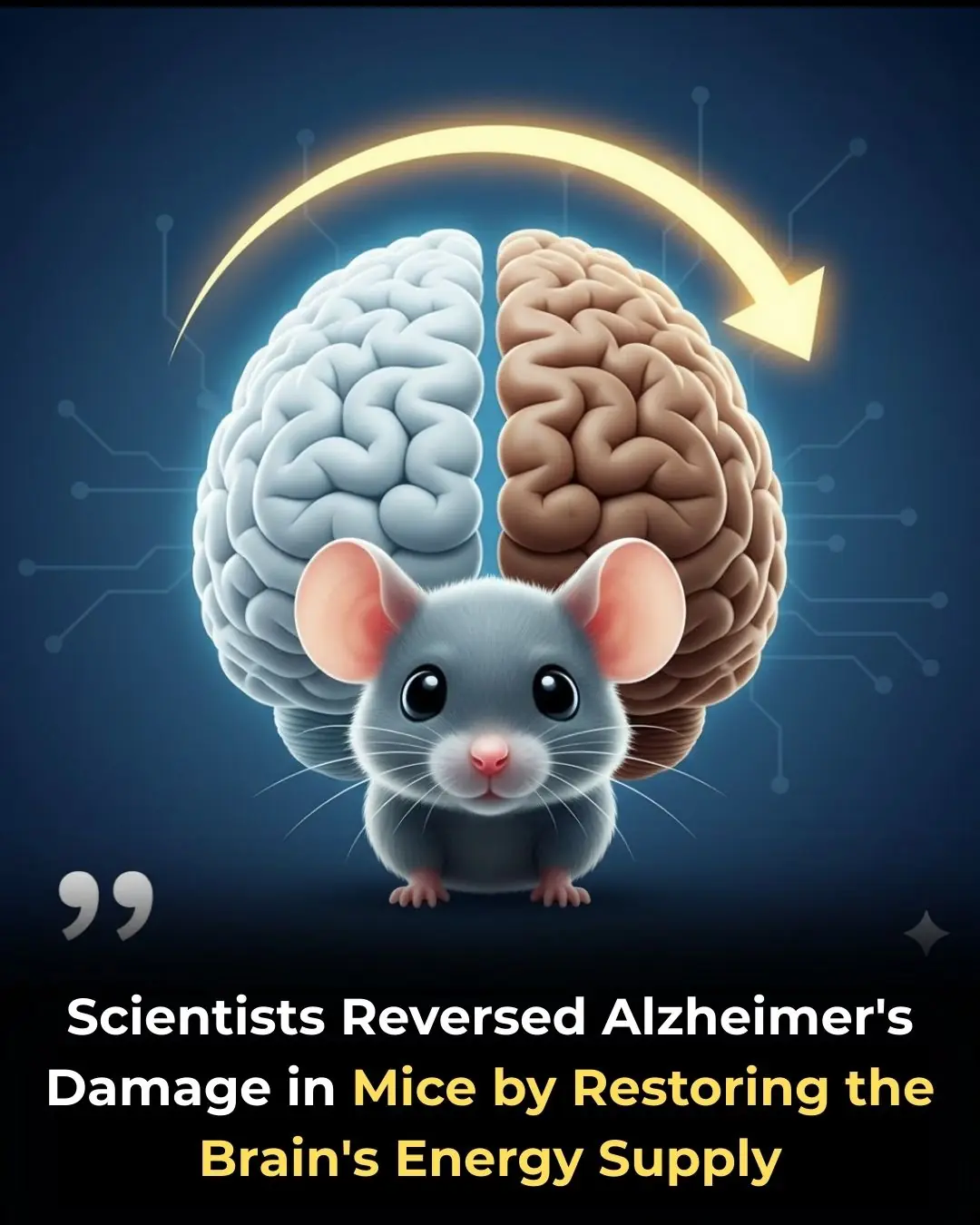
For decades, Alzheimer’s disease has been regarded as an irreversible neurodegenerative condition. Most therapeutic strategies have therefore focused on slowing cognitive decline rather than attempting to restore lost brain function. A December 2025 study published in Cell Reports Medicine directly challenged this long-standing assumption by asking a fundamental question: Can a brain with advanced Alzheimer’s-like damage recover once the disease process is well established?
To address this, researchers conducted an in-depth analysis of postmortem human Alzheimer’s brain tissue alongside two widely validated mouse models of the disease. Each animal model represented a distinct pathological driver—one dominated by amyloid-beta accumulation and the other by tau pathology—allowing the team to examine whether a shared mechanism existed across different forms of Alzheimer’s biology. Despite the differences in disease origin, a striking common feature emerged across all samples: a profound disruption in NAD⁺ (nicotinamide adenine dinucleotide) balance.
NAD⁺ is a critical molecule required for cellular energy production, DNA repair, mitochondrial function, and neuronal survival. In healthy brains, NAD⁺ supports synaptic activity and protects neurons from metabolic stress. The researchers found that NAD⁺ depletion in Alzheimer’s brains was far more severe than that observed in normal aging, indicating that this deficit was not simply a consequence of getting older. Instead, the data suggested that impaired brain energy metabolism may act as a central driver of disease progression, rather than a downstream effect of plaque or tau accumulation.
To determine whether this energy failure could be reversed, the research team intervened after significant Alzheimer’s-like pathology had already developed. Using a targeted pharmacological compound known as P7C3-A20, which stabilizes NAD⁺ and protects neurons from energetic collapse, they restored NAD⁺ balance in affected mice. The results were unexpected and remarkable.
Mice with advanced disease showed substantial recovery across multiple levels of brain function. Synaptic communication was repaired, neuroinflammation was significantly reduced, and the integrity of the blood–brain barrier — often compromised in Alzheimer’s — was restored. Most notably, animals demonstrated full recovery of learning and memory performance, effectively reversing cognitive deficits that had already been established.
Crucially, these functional improvements were supported by biochemical evidence. Blood levels of phosphorylated tau-217, a biomarker currently used in human Alzheimer’s diagnosis and disease monitoring, returned to normal ranges. This finding strongly suggests that underlying disease processes were reversed rather than bypassed or compensated for, distinguishing this approach from symptomatic treatments.
While the authors emphasize that these findings are limited to animal models and cannot yet be directly translated to patients, the implications are profound. The study demonstrates that even after significant neurodegeneration, the brain may retain an unexpected capacity for structural and functional recovery when its energy systems are restored. This reframes Alzheimer’s disease not solely as a disorder of protein accumulation, but also as a metabolic and energetic failure of the brain.
This work aligns with a growing body of research indicating that impaired glucose metabolism, mitochondrial dysfunction, and NAD⁺ depletion appear years before clinical symptoms of Alzheimer’s emerge. Together, these findings suggest that restoring cellular energy balance could represent a new therapeutic direction—one that complements, rather than replaces, approaches targeting amyloid and tau.
Leading research institutions and peer-reviewed journals, including the National Institutes of Health, Alzheimer’s Association, Nature Neuroscience, Cell Metabolism, and The Lancet Neurology, have increasingly highlighted the role of brain energetics in neurodegeneration. This study adds compelling experimental evidence that correcting metabolic failure may unlock recovery even in advanced disease states.
Bottom line: This research challenges the belief that Alzheimer’s damage is permanently irreversible. By restoring NAD⁺-dependent energy balance, advanced Alzheimer’s-like pathology was functionally and biochemically reversed in animal models, opening a new framework for how the disease might be treated in the future.