11 dishes you should never cook in an air fryer; don't try it or you'll regret it.
Tips 14/01/2026 22:28

How to Grow Ginger at Home
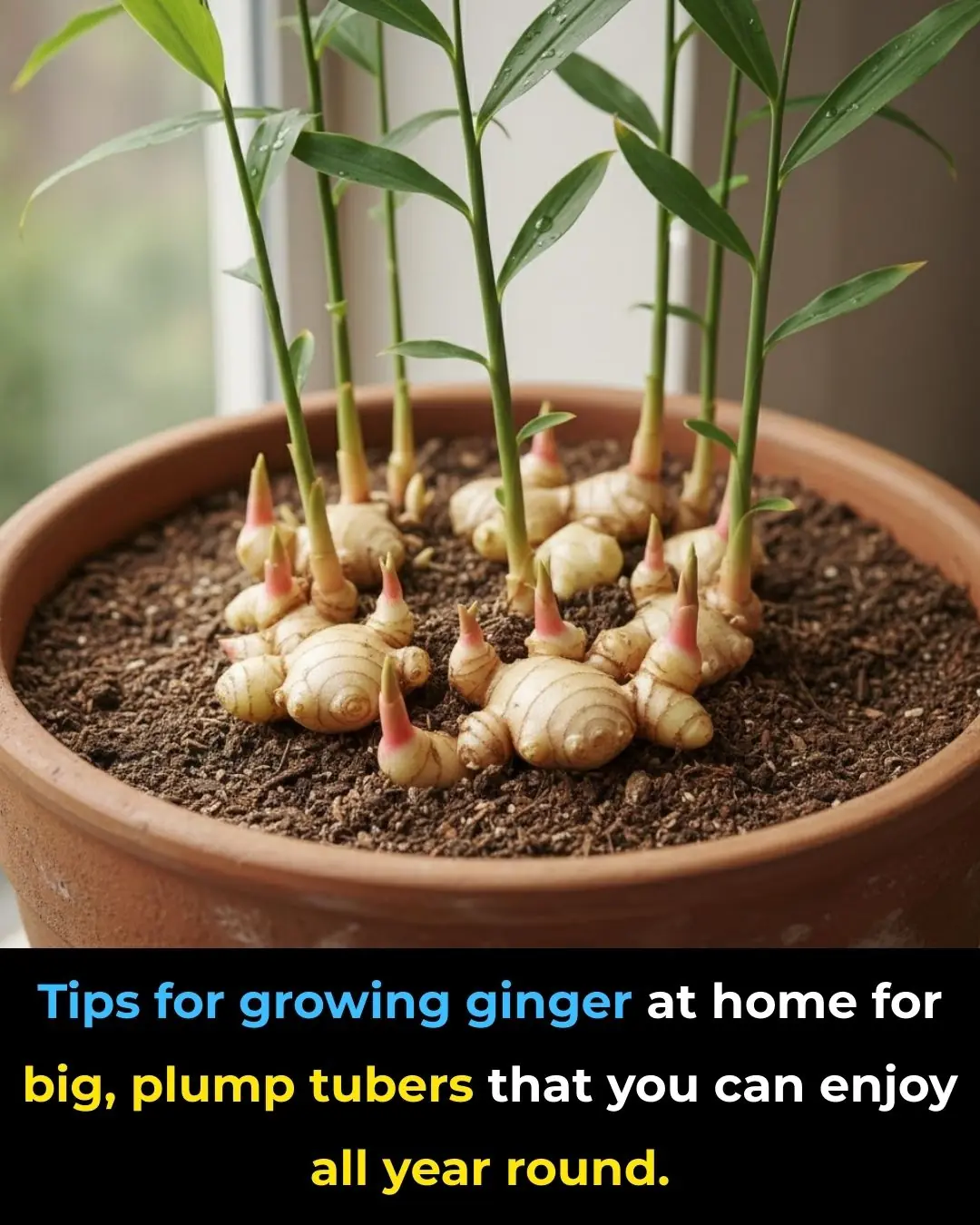
Growing ginger at home is surprisingly simple and rewarding. With just a little care and patience, you can enjoy a fresh, steady supply of ginger for your family without having to rush to the market. Homegrown ginger is often more aromatic and flavorful, making it a great addition to daily cooking and herbal remedies. Let’s learn how to plant ginger properly so you can start growing it right away.
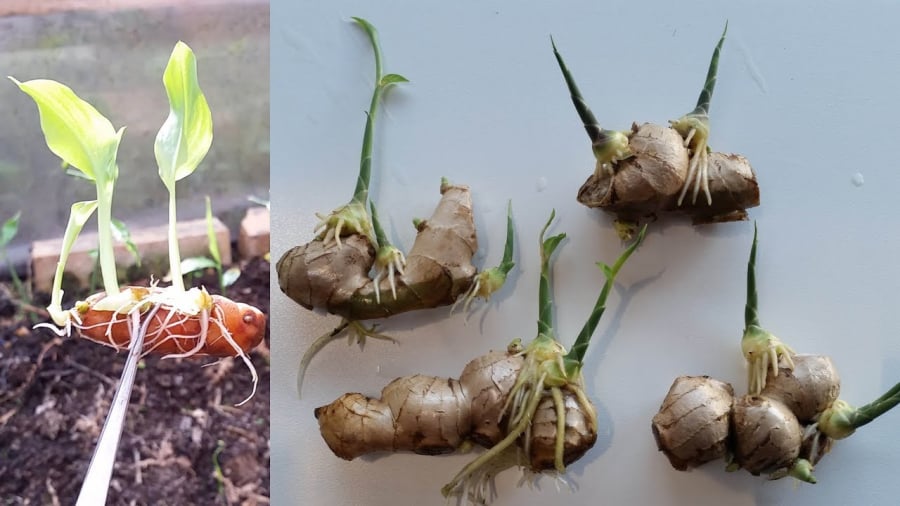
You should select small ginger varieties, such as finger ginger or local small-root ginger, rather than large commercial rhizomes. Smaller ginger tends to have a stronger, spicier aroma, and the plants usually grow to a manageable height with sturdier leaves that are less likely to bend or break.
When choosing ginger for planting, look for rhizomes that are firm, plump, smooth-skinned, and free from mold or wrinkles. Avoid ginger that is dried out, damaged, or has broken skin. Before planting, trim off the base of each rhizome if it has no visible buds, as this part will not sprout.
Choose a plastic or clay pot with a height of about 35–40 cm and a width of 30–35 cm to give the ginger enough space to develop underground. Make sure the pot has drainage holes to prevent waterlogging.
Ginger thrives in loose, fertile soil rich in organic matter and with good drainage. For best results, mix clean garden soil with nutrient-rich soil at a 2:1 ratio. Alternatively, you can create a well-balanced mix using raw rice husks, rice husk ash, and vermicompost in a 1:2:1 ratio. This combination helps keep the soil airy while providing essential nutrients.
In addition to pots, ginger can also be grown in large sacks or grow bags. Growing ginger in sacks is a practical and effective method, especially if you have limited space, and it allows the plant to develop just as well as in traditional containers.
Step 1: Soak the ginger rhizomes in clean water overnight to stimulate sprouting and rehydrate the rhizomes.
Step 2: Using a clean knife, cut the ginger into smaller pieces weighing about 40–60 grams each. This ensures each piece has enough nutrients to support young shoots. Be careful not to damage the growth buds, and discard any pieces without visible sprouts.
Step 3: Fill the pot halfway with prepared soil and gently press it down. Place two ginger pieces in the soil, burying them about 2.5–3 cm below the surface with the buds facing upward.
Step 4: Water lightly 2–3 times a day to keep the soil moist but not soggy. Avoid planting the ginger too deeply, as excess moisture can cause the rhizomes to rot.
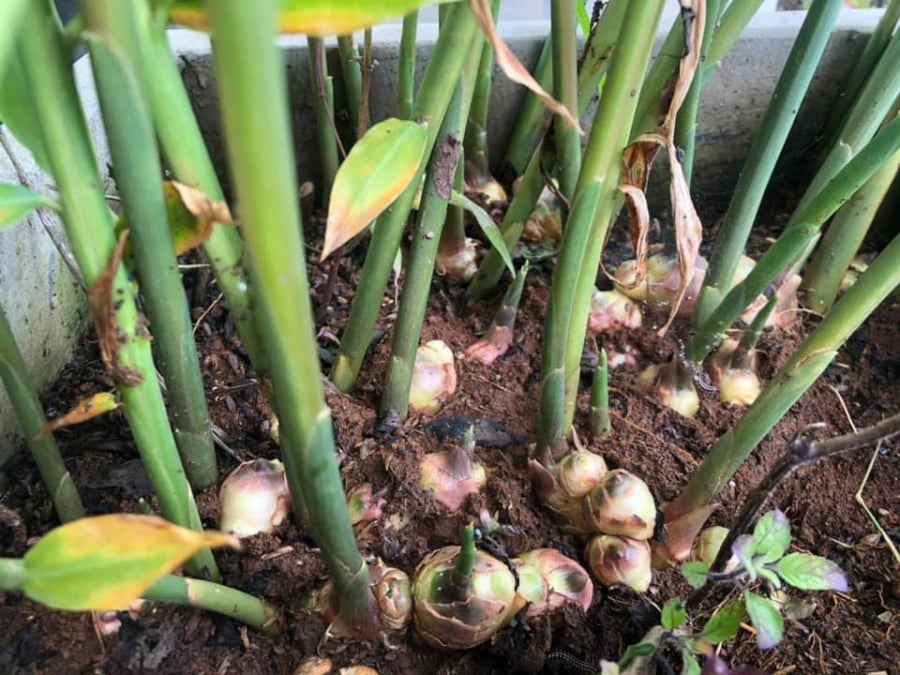
After about 20 days, the ginger will begin to sprout. Once the plant develops several leaves, you can reduce watering to once a day, ensuring the soil stays consistently moist. This is especially important during the rhizome-forming stage, but avoid overwatering to prevent root diseases.
Place the pot on a porch, balcony, or indoors near a bright area. Occasionally move the pot to a spot with gentle sunlight so the plant can photosynthesize effectively. Ideally, ginger should receive about 5–6 hours of indirect or mild sunlight each day for optimal growth and higher yields.
When you notice the ginger rhizomes pushing up toward the soil surface, add a 3–4 cm layer of soil mix to cover them. Feed the plant with vermicompost or other safe organic fertilizers available on the market to promote healthy growth.
Stop watering after 7–8 months, when the leaves begin to yellow and fall off. This signals that the ginger is mature and ready for harvest.
Ginger can be harvested after approximately 7–8 months. When digging up the rhizomes, do so gently to avoid scratching or damaging them, as wounds can make the ginger more vulnerable to pests and disease. You may harvest the entire plant or carefully remove a portion of the rhizomes and leave the rest to continue growing.
With proper care, growing ginger at home not only saves money but also ensures a fresh, chemical-free ingredient for your kitchen year-round.