Steaming crab often results in the claws falling off and a fishy smell, but a chef reveals: Just follow these steps and the crab will be sweet, the meat won't dry out, and it will be incredibly fragrant.
Tips 13/01/2026 21:40
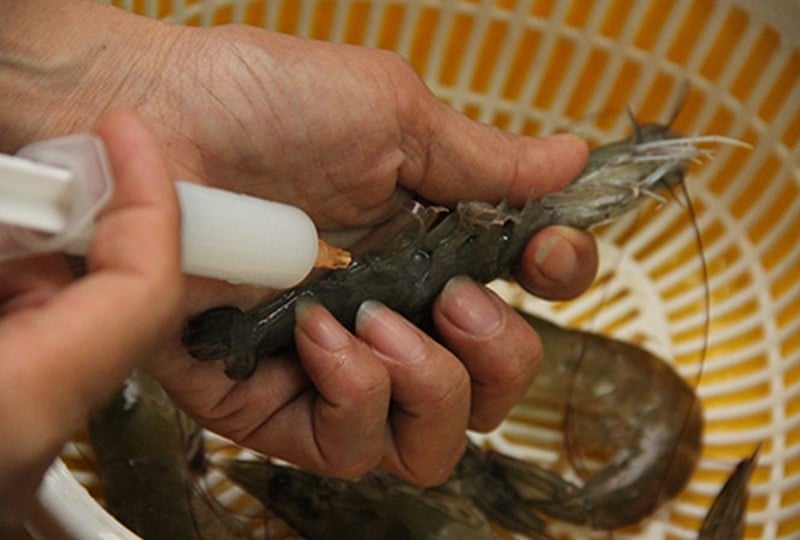
One of the most noticeable signs that shrimp may have been injected with impurities lies in the shape and texture of their bodies. According to food safety experts, shrimp that appear unusually stiff, straight, and rigid—lacking their natural curve—are highly likely to have been injected with foreign substances. Fresh, natural shrimp typically have a slightly curved body that feels soft, elastic, and flexible when handled.
In addition, injected shrimp often look abnormally swollen and bloated, especially around the joints between the head and the body. These segments may appear stretched apart rather than firm and compact as they should be. Another easily recognizable indicator is the gills: instead of being soft and flat like those of fresh shrimp, the gills of injected shrimp tend to be hard, puffed up, and unnatural in appearance.
Shrimp that have been injected with impurities often show clear changes after death and during cooking. Shortly after dying, these shrimp may develop swollen heads, raised spikes, and tails that fan out unnaturally. The head and body also separate much more quickly than normal.
When cooked, injected shrimp usually release a large amount of water, causing the meat to shrink significantly. The texture becomes soft and crumbly rather than firm, and the flavor is noticeably blander compared to naturally fresh shrimp. These changes are strong warning signs that the shrimp may have been tampered with.
Peeling shrimp properly can help determine whether impurities have been injected. Experts recommend starting at the head and chest area. Hold the shrimp with its head facing downward and carefully remove the shell to expose the head meat. Then, using the tip of a small knife, gently lift and move aside the layer of roe or hepatopancreas to inspect the head cavity.
Fresh, natural shrimp will have a clean, dry head cavity with no unusual liquid and no strange odor. In contrast, shrimp injected with impurities often contain abnormal slimy fluid accompanied by an unpleasant or unusual smell. The muscle tissue may also appear swollen and lose its natural firmness. In severe cases, if a shrimp has been heavily injected, consumers can prick the swollen muscle areas on the belly or back with a needle and gently press—foreign liquid may seep out.
When buying shrimp, focus on one key area: the joints between the head and body. If these segments look overly stretched, puffy, or uneven, the shrimp may not be natural. Shrimp with firm joints, a light natural curve, and a clean surface are generally safer and fresher choices.
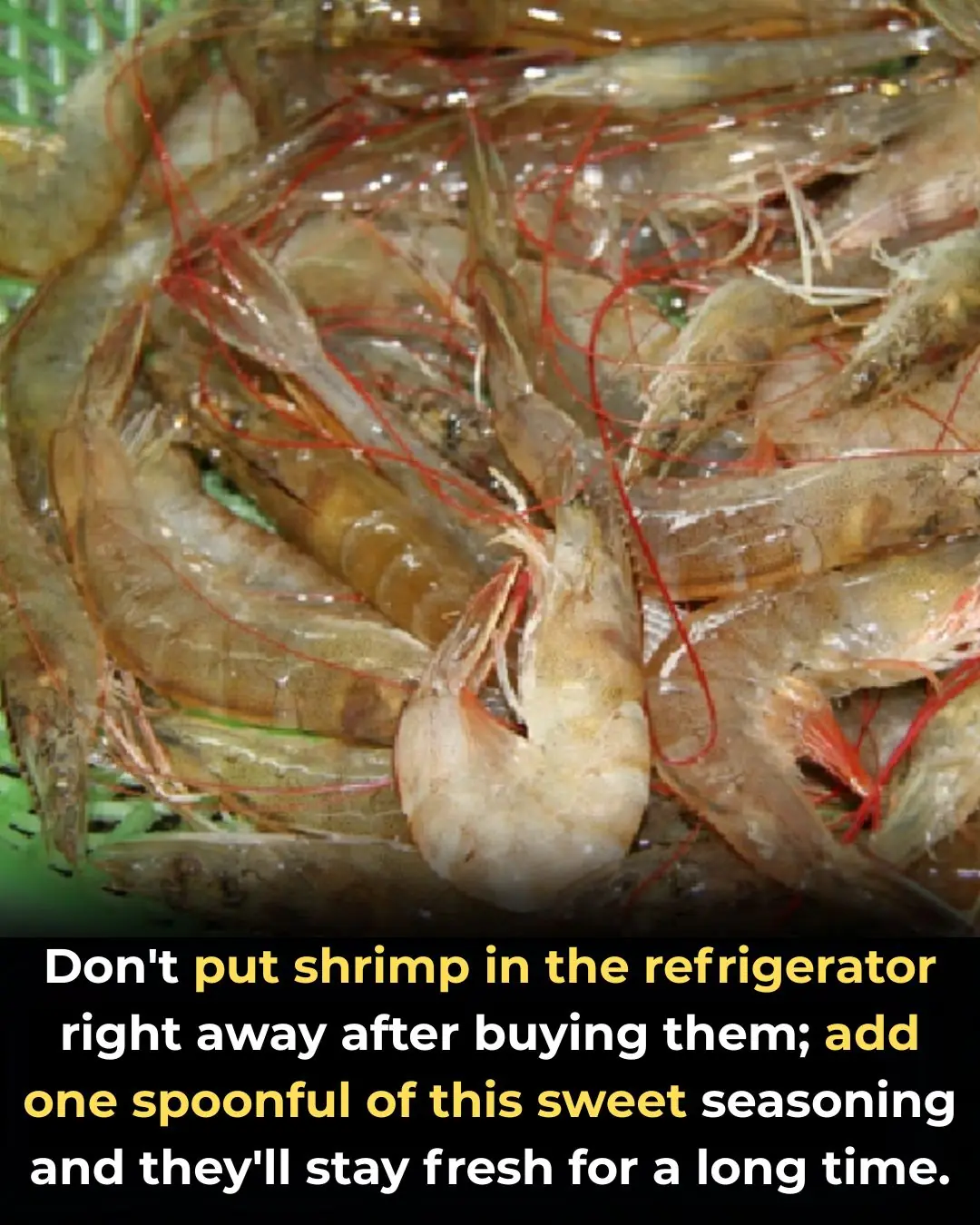
Due to busy lifestyles, many people tend to buy shrimp in bulk and store them in the refrigerator or freezer. However, improper storage can cause shrimp to develop blackened heads and lose their freshness after thawing. To prevent this, it is best to purchase live shrimp whenever possible. Trim off the antennae, rinse the shrimp thoroughly, and allow them to drain completely.
Next, place the shrimp in a food storage container and sprinkle a small amount of white sugar over them. Gently shake or mix so the sugar coats the shrimp evenly. Store the container in the freezer to maintain a consistently low temperature and slow bacterial growth.
White sugar not only helps preserve the shrimp’s bright head color but also prevents the shrimp from sticking together, making it easier to take out individual pieces when cooking. This method helps maintain both appearance and convenience.
However, shrimp should not be frozen for too long. For optimal quality, flavor, and nutritional value, it is best to use frozen shrimp within 30 days. Prolonged storage can reduce taste and texture, even if the shrimp appear visually intact.