Soap Left on Plates? British Dishwashing Method Sparks International Debate
Facts 07/01/2026 20:35
Public health officials in the United States have issued an urgent warning after newly released data revealed a dramatic surge in measles cases nationwide, marking the first time in more than 30 years that infections have exceeded 2,000. According to the Centers for Disease Control and Prevention (CDC), the alarming rise has reignited concerns over declining vaccination rates and the growing influence of vaccine hesitancy across the country.
As of December 23, 2025, the CDC has confirmed 2,012 measles cases in the United States. This represents the highest number recorded since 1992, when 2,126 infections were reported. Health experts warn that this resurgence threatens decades of progress achieved through widespread immunization programs and places vulnerable populations—particularly children—at significant risk.
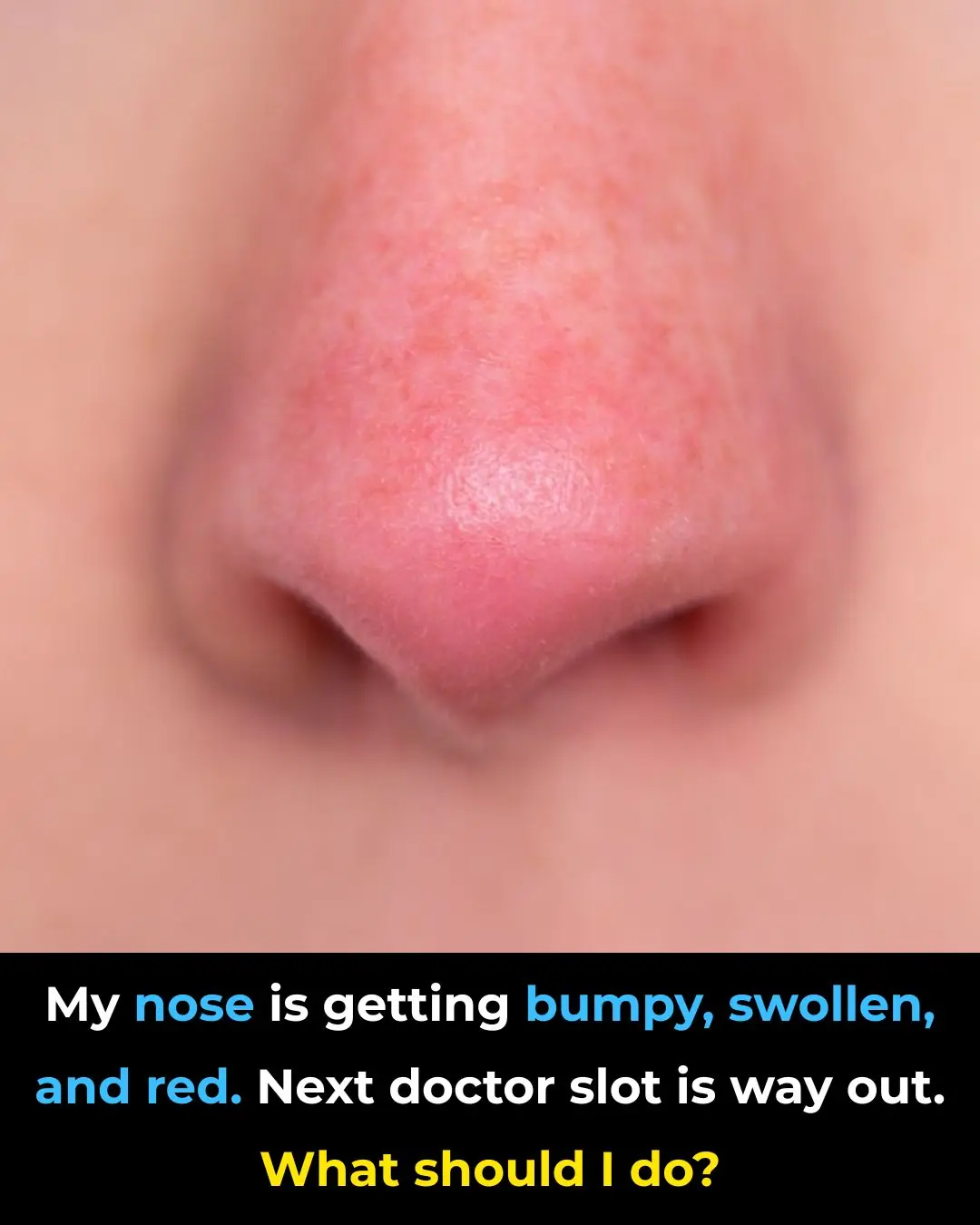
Measles is a highly contagious viral illness that typically begins with cold-like symptoms, including fever, cough, and a runny nose, before progressing to a distinctive red, blotchy rash. While often perceived as a childhood illness, measles can lead to severe complications such as pneumonia, encephalitis, and even death, especially in unvaccinated individuals.
CDC data shows that 11 percent of patients infected in 2025 required hospitalization, with more than half of those hospitalized being under the age of 19. These figures underscore the serious nature of the disease and the dangers posed by declining immunity within communities.
One of the most concerning findings from the CDC report is that 93 percent of individuals diagnosed with measles in 2025 were either unvaccinated or had an unknown vaccination status. Only seven percent had received at least one dose of the measles, mumps, and rubella (MMR) vaccine—three percent with one dose and four percent with the recommended two doses.
The MMR vaccine is widely regarded as safe and highly effective. According to the CDC, a single dose provides approximately 93 percent protection, while two doses increase effectiveness to 97 percent. Despite this, vaccine skepticism has grown in recent years, often fueled by misinformation and political polarization.
Public health researchers from the World Health Organization (WHO) have repeatedly warned that vaccine hesitancy is one of the top global health threats. The WHO reports that global measles cases have surged to a 25-year high, closely mirroring trends observed in the United States.
In 2025 alone, 50 measles outbreaks have been reported across the US—more than three times the number recorded in 2024. One of the most severe outbreaks is currently unfolding in South Carolina. As of December 30, the South Carolina Department of Public Health confirmed 176 cases, with the majority concentrated in Spartanburg County near the North Carolina border.
The outbreak has forced hundreds of students to quarantine, disrupting education and straining local health resources. Officials warn that similar scenarios could unfold in other states if vaccination coverage continues to decline.
The resurgence of measles also threatens the region’s hard-won public health achievements. Measles was officially eliminated from the Americas in 2016, meaning sustained transmission had been halted. However, ongoing outbreaks now place that status at risk.
According to the Pan American Health Organization (PAHO), 11,668 measles cases have been reported across 10 countries in North and Latin America. Health authorities warn that continued cross-border transmission could reverse years of progress.
Rosana Richtmann, an infectious disease specialist and coordinator of the Brazilian Society of Infectious Disease’s Immunization Committee, has previously criticized the United States’ weakening stance on vaccination, calling it “an outrage.” She cautioned that without renewed efforts to promote immunization, the situation would continue to deteriorate.
The CDC continues to recommend that children receive two doses of the MMR vaccine: the first between 12 and 15 months of age, and the second between four and six years old. Health officials stress that restoring high vaccination coverage is essential not only to protect individuals but also to maintain herd immunity and prevent future outbreaks.
As measles cases climb to levels not seen in decades, experts agree that the current surge serves as a stark reminder that vaccine-preventable diseases can rapidly return when public confidence in immunization declines.
Centers for Disease Control and Prevention (CDC) – Measles Surveillance Data and Vaccination Guidelines
World Health Organization (WHO) – Global Measles and Rubella Updates
Pan American Health Organization (PAHO) – Epidemiological Alerts on Measles
American Academy of Pediatrics (AAP) – Measles Prevention and Vaccine Effectiveness