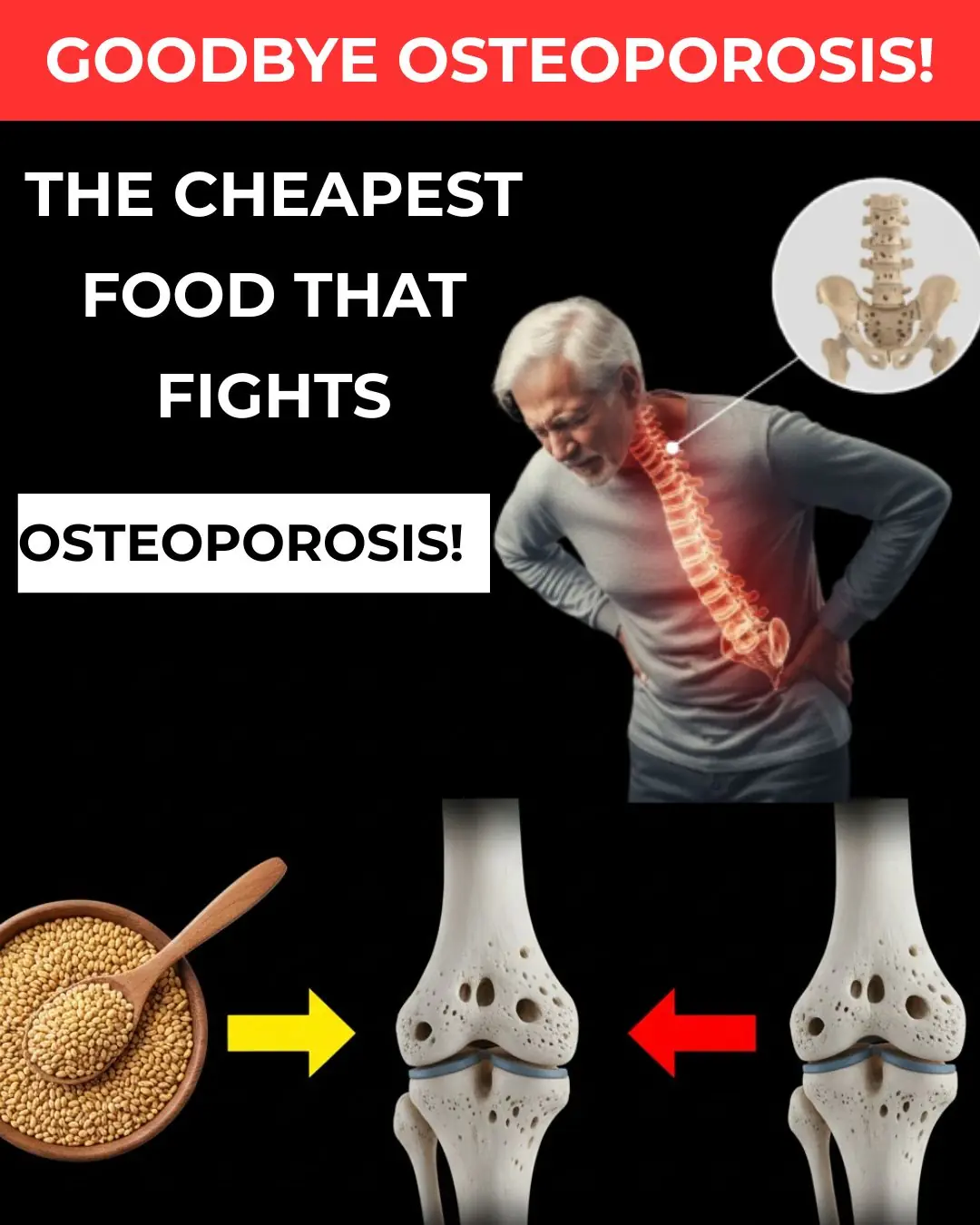
The Most Affordable Food That Supports Bone Health and Helps Fight Osteoporosis
Garden Healthy 08/01/2026 20:20

As consumers grow weary of overhyped “superfoods” that are costly, difficult to prepare, or harsh on digestion, attention is shifting toward ingredients that are both nutrient-dense and practical. One such food quietly gaining recognition in 2025 is the banana flower (also known as banana blossom or banana heart). Long valued in Southeast Asian and Indian cuisines, banana flower is now emerging in global wellness conversations for its nutritional depth, culinary versatility, and sustainability.
Banana flower is the teardrop-shaped purple bloom found at the end of a banana bunch. While often discarded in industrial banana farming, this edible flower has been traditionally consumed for centuries. Its flavor is mild and slightly earthy with a gentle astringency, and when cooked, it develops a flaky texture that closely resembles fish—making it a popular plant-based seafood alternative.
Despite being low in calories, banana flower is rich in essential nutrients. It contains both soluble and insoluble dietary fiber, contributing to digestive health and satiety. It also provides meaningful amounts of potassium, magnesium, calcium, iron, and copper—minerals critical for cardiovascular, muscular, and metabolic functions.
In addition, banana flower offers vitamins C and E, along with antioxidants such as flavonoids and tannins. These compounds are associated with reduced oxidative stress and inflammation, processes strongly linked to aging and chronic disease. Reviews of traditional plant foods highlight banana flower as a nutrient-dense option particularly well suited for plant-based diets (Journal of Nutrition and Metabolic Health Science).
Although large-scale human clinical trials remain limited, existing laboratory, animal, and observational studies support several potential benefits:
Digestive Support:
The high fiber content of banana flower may promote regular bowel movements and support a balanced gut microbiome. Diets rich in fiber are consistently associated with improved digestive comfort and metabolic health (Journal of Nutrition).
Anti-Inflammatory and Antioxidant Activity:
Flavonoids and tannins found in banana flower exhibit antioxidant properties in experimental models, suggesting a role in reducing low-grade inflammation (Food Chemistry).
Weight and Metabolic Balance:
Low in calories yet filling, banana flower may aid appetite control and steady energy levels. High-fiber, low-energy-density foods are widely recommended for weight management (World Health Organization dietary guidance).
Immune and Women’s Wellness Support:
Traditional medicine systems have used banana flower to support menstrual comfort and immune resilience. Preliminary studies note antimicrobial and micronutrient-related immune benefits, though further human research is needed (International Journal of Food Sciences and Nutrition).
Preparing banana flower is simpler than it appears. After removing the tough outer bracts, the tender inner heart is chopped and soaked in acidulated water to reduce bitterness. It can then be boiled, sautéed, or added directly to recipes.
Popular uses include:
Stir-fries with garlic and ginger
Fresh salads with herbs and citrus dressing
Plant-based “fish” patties or curries
Canned banana blossom, widely available in international markets, offers a convenient alternative with minimal preparation.
Beyond nutrition, banana flower aligns with key food trends of 2025: sustainability, affordability, and plant-forward eating. Utilizing a part of the banana plant that is often wasted supports more sustainable agriculture while expanding dietary diversity.
Banana flower is more than a passing trend. Rooted in centuries of culinary tradition and supported by emerging nutritional science, it represents a practical, accessible superfood for modern diets. For individuals seeking digestive comfort, antioxidant support, or creative plant-based options, banana flower deserves a place on the plate.
Scientific references:
Journal of Nutrition
Food Chemistry
International Journal of Food Sciences and Nutrition
World Health Organization – Healthy Diet Guidelines
Disclaimer: This article is for informational purposes only and does not replace professional medical advice. Consult a qualified healthcare provider before making significant dietary changes.