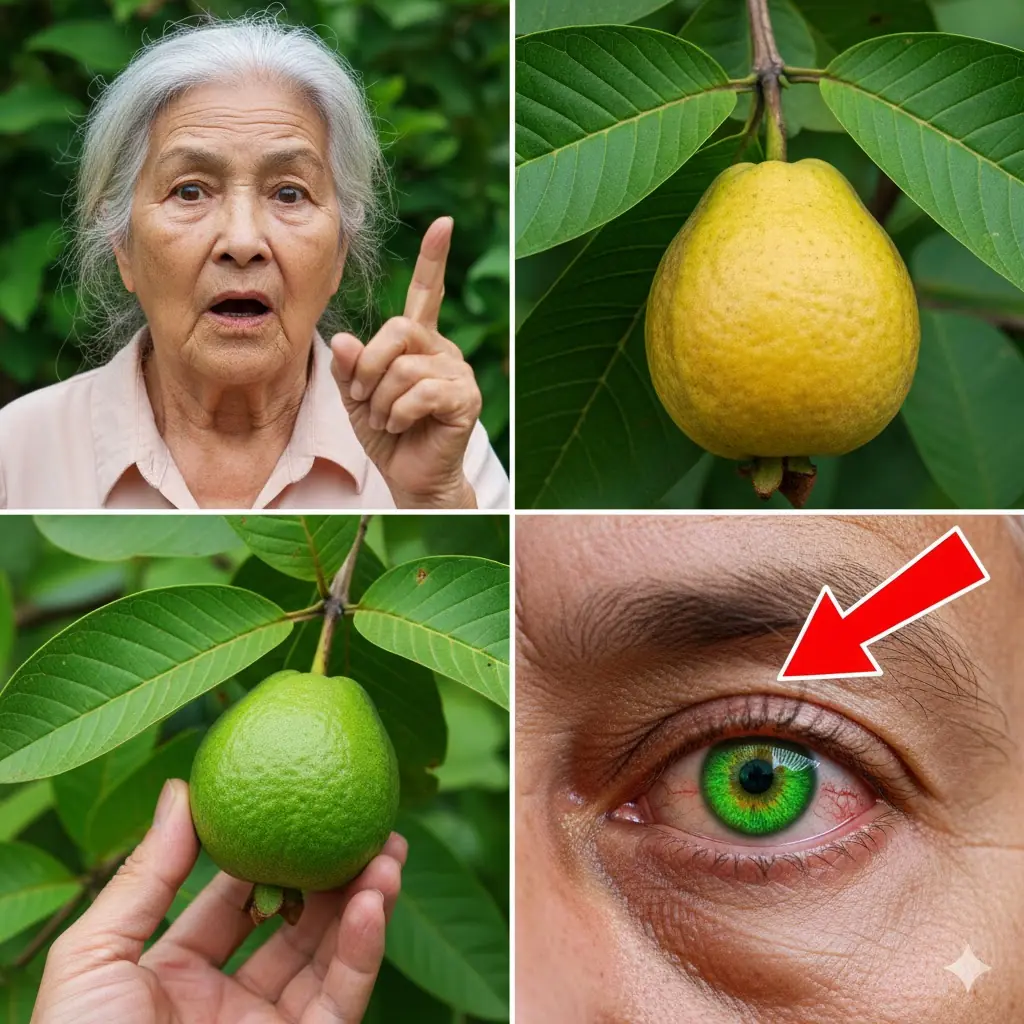
How Guava Can Naturally Support Your Eye Health: Surprising Benefits and Safe Remedies
Garden Healthy 09/01/2026 15:21
In recent years, onion water has emerged as a widely shared natural remedy for hair growth, especially across social media and home-care communities. Supporters claim that boiling onions and using the infused water on the scalp can reduce hair fall, stimulate growth, and improve hair thickness. While the idea may sound unusual at first, the popularity of onion water reflects a growing interest in low-cost, natural hair care solutions.
The reasoning behind onion water is rooted in its nutritional profile. Onions are rich in sulfur compounds, which are essential for the production of keratin—the protein that forms the structure of hair. Sulfur is also believed to improve blood circulation to the scalp, potentially helping hair follicles receive more oxygen and nutrients. In addition, onions contain antioxidants and antimicrobial properties that may support scalp health by reducing irritation and dandruff, both of which can contribute to hair breakage.
Preparing onion water is relatively simple. Most methods involve slicing onions, boiling them in water, and allowing the mixture to cool before straining. The resulting liquid is then applied to the scalp, either by massage or spray, and left on for a short period before rinsing. Some users report that regular use leaves their hair feeling stronger, shinier, and less prone to shedding.
However, scientific evidence supporting onion water for hair growth is limited. A small clinical study published in the Journal of Dermatology found that onion juice applied to the scalp showed some improvement in hair regrowth among people with alopecia areata, an autoimmune condition. While promising, experts caution that these results cannot be generalized to all types of hair loss, such as genetic or hormone-related thinning.
Dermatologists also emphasize that onion water is not a miracle cure. Hair growth is influenced by genetics, hormones, nutrition, stress, and overall health. While onion water may support scalp conditions and reduce breakage, it cannot override underlying medical causes of hair loss. Additionally, the strong smell and potential for scalp irritation make it unsuitable for everyone. Patch testing is strongly recommended before applying onion-based treatments to avoid allergic reactions or skin sensitivity.
From a medical perspective, professionals advise viewing onion water as a complementary practice rather than a primary treatment. Established treatments such as medically approved topical solutions, balanced nutrition, and proper hair care routines remain the foundation of effective hair-loss management. Natural remedies may offer supportive benefits, but expectations should remain realistic.
Ultimately, the appeal of onion water lies in its accessibility and simplicity. It represents a broader shift toward natural beauty practices and self-care rituals rooted in tradition. While it may help improve scalp health for some people, consistent results vary widely. As with most natural remedies, its effectiveness depends on individual factors—and it should never replace professional medical advice when hair loss is severe or sudden.