Jeezy Calls Out Industry for Exploiting Trauma in Young Rappers
News 09/01/2026 15:57
By Terry Shropshire
December 7, 2025 | 3:50 PM
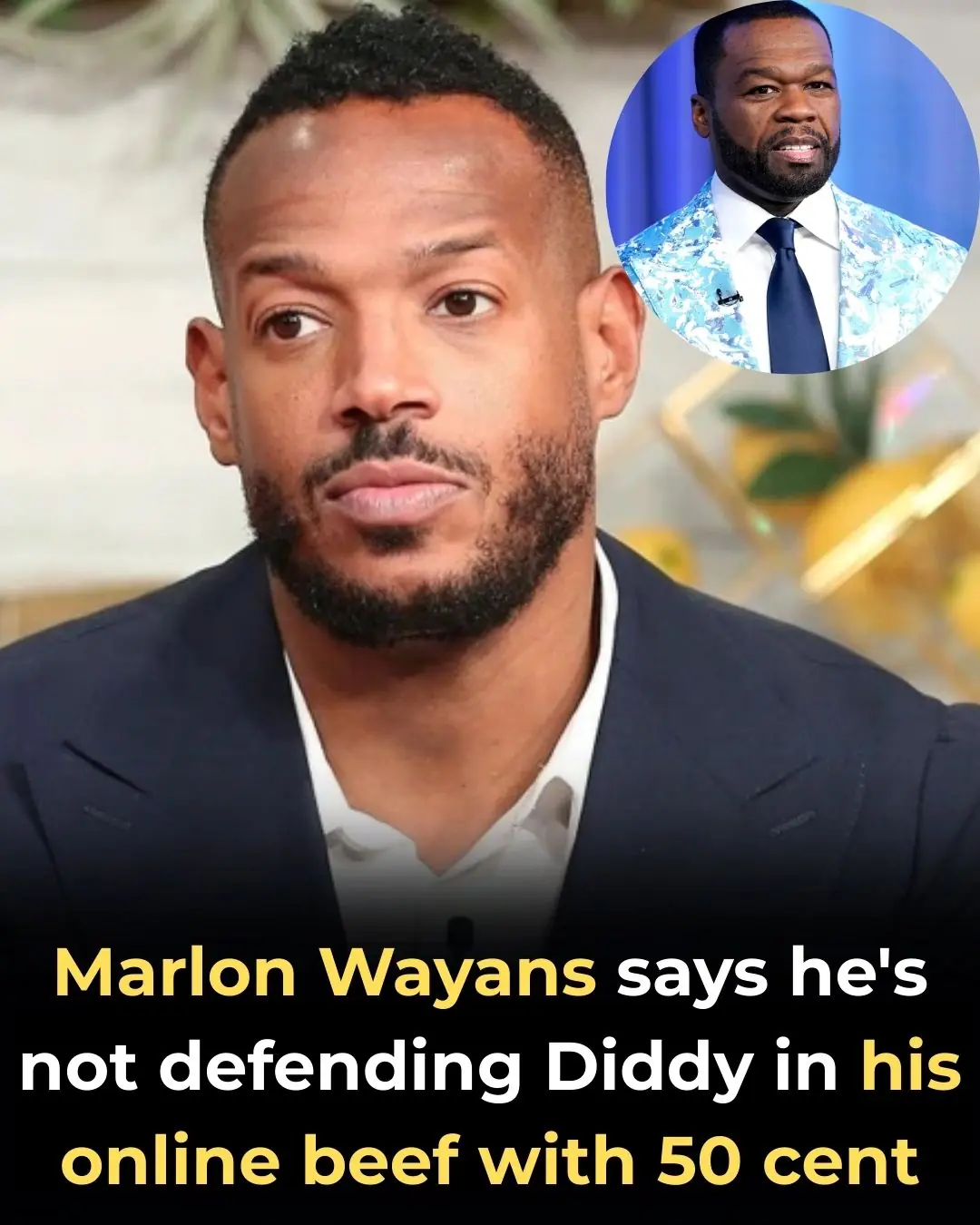
When comedian and actor Marlon Wayans recently sat down for an interview, he didn’t hide behind jokes or sarcasm. Known for blending comedy with blunt honesty, Wayans offered a measured — and unexpectedly serious — reaction to Netflix’s controversial new docuseries, “Sean Combs: The Reckoning,” which premiered on December 2, 2025.
Executive produced by Curtis “50 Cent” Jackson, the four-part documentary dives into the allegations, controversies, and contradictions surrounding hip-hop mogul Sean “Diddy” Combs. Since its release, the series has dominated headlines and social media conversations alike, placing renewed scrutiny on Combs’ career, power, and personal conduct.
Wayans’ remarks, however, became a story of their own — sparking intense debate over celebrity accountability, media bias, and the ethics of storytelling.
Speaking on Real 92.3 FM while promoting the upcoming revival of the Scary Movie franchise, Wayans cautioned audiences about rushing to judgment.
“You gotta be careful what you put out,” he said. “There’s a karma to every action.”
That brief statement ignited a firestorm online. Some listeners interpreted his words as a defense of Diddy, while others saw them as criticism of media sensationalism or a broader reflection on how public narratives are shaped.
Was Wayans protecting a fellow celebrity? Questioning the motives behind the documentary? Or simply urging restraint in an era of instant outrage?
Wayans didn’t shy away from addressing what he believes lies at the heart of the controversy: motive.
“It’s between him and Puff,” Wayans said, referring to the producer of the series. “It’s between both of them and God.”
For longtime hip-hop fans, the bitter rivalry between 50 Cent and Diddy is well-documented. Their feud spans decades of diss tracks, business competition, public insults, and social media warfare. That history inevitably colors how viewers perceive The Reckoning — and raises uncomfortable questions about objectivity.
Wayans’ point struck a nerve: Can a documentary maintain journalistic integrity when it is spearheaded by someone with a deeply personal vendetta? And when allegations — including claims of misconduct, abuse, and legal impropriety — are still being contested, where does truth end and narrative manipulation begin?
Regardless of who produced it, “Sean Combs: The Reckoning” has become a cultural flashpoint. The series traces Combs’ rise from an Uptown Records intern to a global entertainment powerhouse, before pivoting to the accusations that now threaten to redefine his legacy.
The documentary revisits claims of abuse, sexual misconduct, and legal troubles that have fueled lawsuits and media scrutiny in recent years. Diddy’s legal team has fiercely condemned the project, labeling it a “shameful hit piece” that weaponizes selective archival footage and disputed testimonies.
Netflix, for its part, has remained notably silent — a stance that has only intensified criticism and raised questions about the platform’s responsibility in shaping high-stakes cultural narratives.
Wayans’ comments poured fuel on an already volatile conversation. On Real 92.3’s Facebook and Instagram pages, reactions quickly split into opposing camps.
“Karma has nothing to do with the truth,” one commenter argued. Another countered, “Just because something is widely accepted doesn’t make it a lie — but it doesn’t make it true either.”
Some defended Wayans, suggesting he was calling out the power filmmakers have to frame stories to fit their agenda. One supporter wrote, “Marlon is right. There’s still no public evidence tying Diddy to some of the most extreme claims being pushed — just testimony from people with their own motives.”
Others were less forgiving. “Marlon, I was rocking with you, but you should know better,” one longtime fan posted. Another bluntly advised, “Marlon should sit this one out.”
Perhaps the most nuanced take summed up the tension best: “Two things can be true — 50 Cent can be biased, and Diddy can still be guilty of horrible things.”
Meanwhile, 50 Cent continues to aggressively promote The Reckoning, doubling down on its themes across interviews and social platforms. His unwavering stance highlights how celebrity influence can amplify narratives, sway public opinion, and blur the line between exposé and personal vendetta.
What gives Wayans’ comments weight isn’t just the celebrity drama — it’s the larger question they raise about power, storytelling, and accountability in the age of streaming documentaries.
As more influential figures control their own narratives — or seek to control others’ — audiences are left to navigate a maze of bias, truth, and intention. Wayans’ warning about “karma” speaks to a deeper concern: when reputations are destroyed in real time, who ensures fairness, accuracy, and ethical responsibility?
The entertainment industry has always been a battleground of image, survival, and reinvention. And as more voices join the conversation, the story of Sean Combs — who he was, who he is, and who gets to define that legacy — appears far from finished.