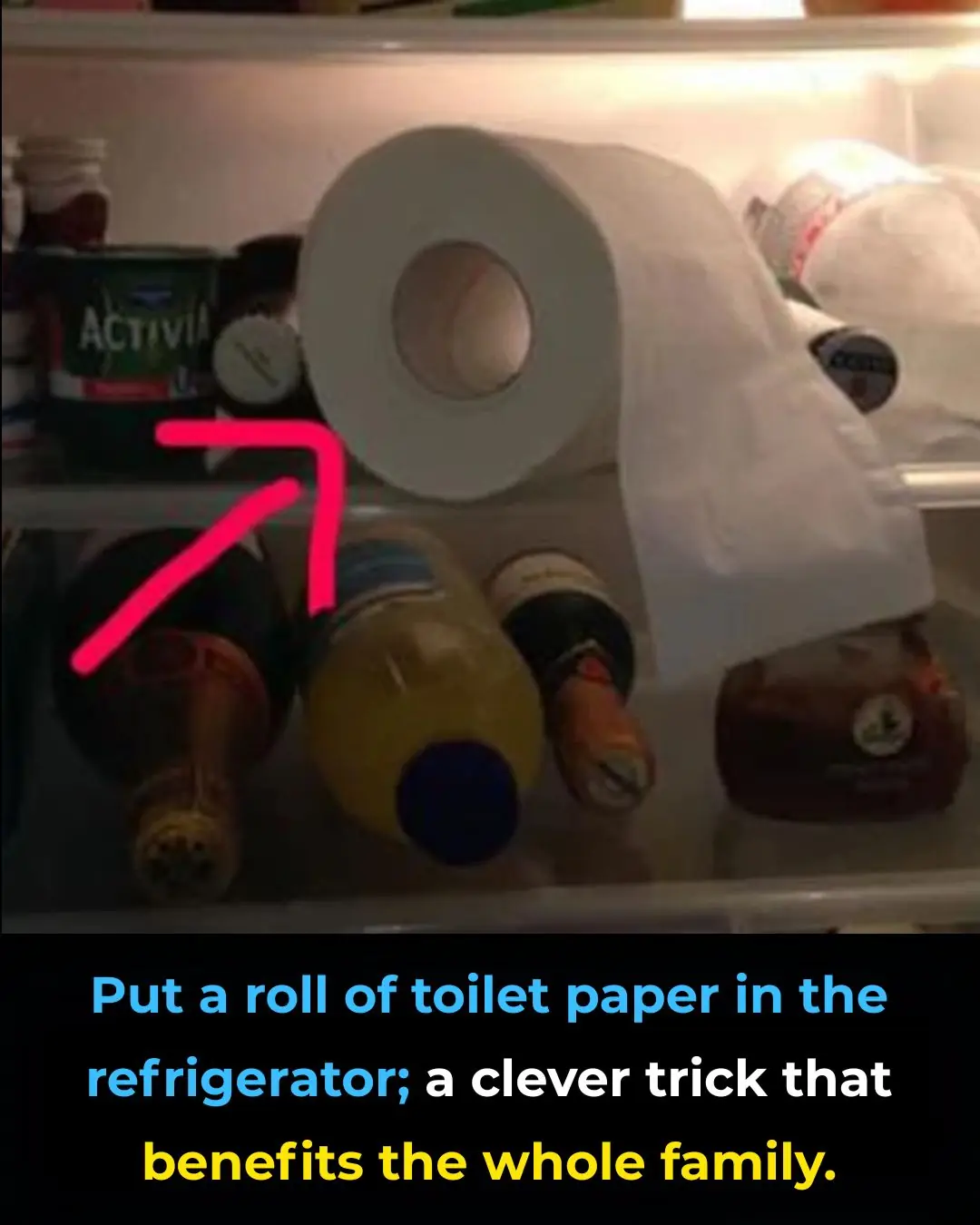
Put a Roll of Toilet Paper in the Refrigerator: A Simple Household Trick With Big Benefits
Tips 09/01/2026 22:20

Clams are one of the most finicky types of seafood. Without proper storage, they can die quickly—wasting both your money and your meal.
Beloved by seafood enthusiasts, clams are a “kitchen staple” thanks to their naturally sweet flavor and versatility in soups, stir-fries, and pasta dishes. However, they are also extremely delicate. A small mistake in handling or storage can cause an entire batch to spoil at once, producing unpleasant odors and losing valuable nutrients.
Save this modern clam-storage guide below to ensure every meal you prepare is as fresh, safe, and delicious as possible.
Proper storage starts with choosing the right clams. According to culinary experts and experienced home cooks, selecting good clams isn’t just about appearance—it requires a few key rules to avoid poor-quality seafood.
– Choose tightly closed shells:
Healthy, live clams naturally keep their shells firmly shut. If you find clams with slightly open shells, gently tap them. Fresh clams will close immediately. If they remain open, they are either weak or already dead and should be discarded.
– Inspect the shell condition:
Select clams with smooth, shiny, and intact shells. Cracked or chipped shells allow bacteria to enter easily, causing the meat to spoil faster and develop unpleasant smells.
– The “golden size” rule:
Avoid clams that are too small, as their meat tends to shrink significantly during cooking. Opt for medium to large clams that feel heavy in your hand—this usually indicates plump, juicy meat.
– Check the aroma:
Fresh clams smell clean and mildly salty, like seawater. Any sour, fishy, or strange odor is a warning sign that spoilage has already begun.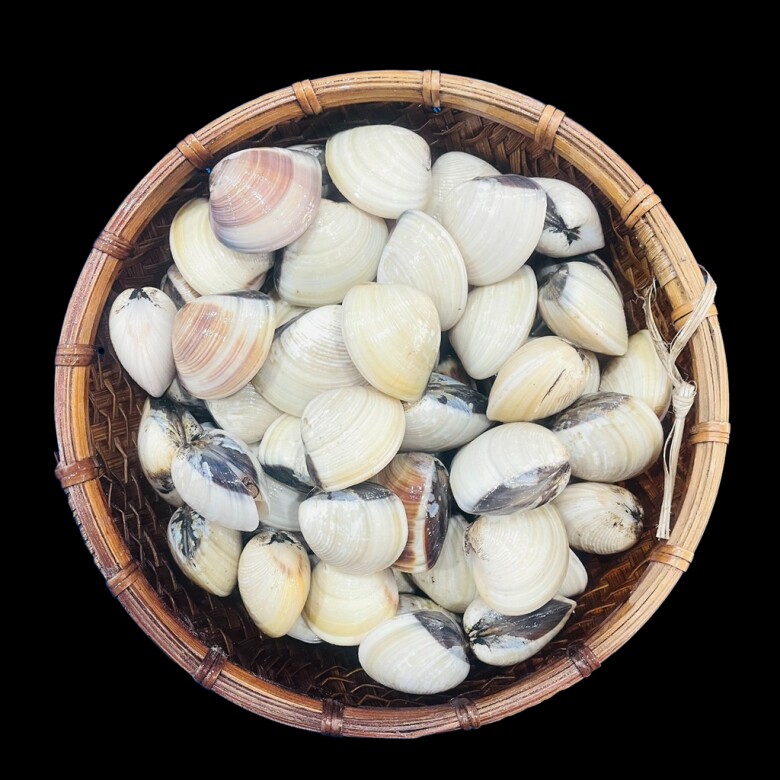
If you plan to cook your clams within one to two days, refrigeration is the best option. However, never simply toss the bag into the fridge. Follow this three-step method to keep them alive and fresh:
– Allow them to breathe:
Clams are living creatures and must not be sealed in airtight plastic bags. Place them in a mesh bag, colander, or perforated container that allows airflow.
– Maintain surface moisture:
This is the key to preventing dehydration. Lightly dampen a clean cloth or paper towel and gently cover the clams to keep their shells from drying out.
– Choose the right spot:
Store the container in the refrigerator’s crisper or a low-shelf area, away from direct cold air vents. The ideal temperature is between 4–8°C (39–46°F), which slows their metabolism without freezing them.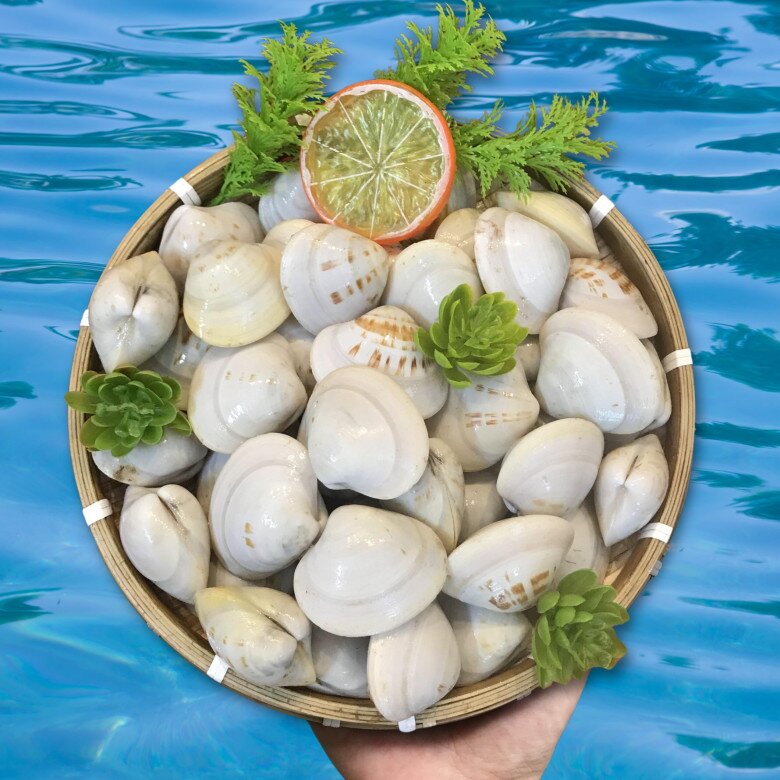
For busy households or anyone who likes to stock up for future soups, porridge, or pasta dishes, freezing clams is a highly effective solution.
– Proper preparation:
To preserve natural sweetness, remove the clam meat while it is still raw rather than blanching it first. Pre-cooking often causes the meat to shrink and become tough after thawing.
– Portion before freezing:
Divide the clam meat into meal-sized portions and store them in airtight containers or zip-lock bags. Label each package with the freezing date to track freshness.
– Fast freezing:
Set your freezer to –18°C (0°F) or lower to lock in flavor and texture as quickly as possible.
– Safe thawing:
Always thaw frozen clams slowly in the refrigerator. Never use hot water or a microwave, as rapid thawing can damage proteins and strip away their natural sweetness.
– Do not soak for too long:
Soaking clams in still water for more than two hours can cause oxygen deprivation, leading them to suffocate. Only soak them long enough for sand removal, then drain immediately.
– Avoid airtight plastic bags:
Sealing clams in plastic bags is the fastest way to ruin them. Without oxygen, they quickly die, spoil, and develop strong, unpleasant odors.
By following these simple yet effective techniques, you can keep your clams fresh, flavorful, and safe to eat—ensuring every seafood dish tastes as good as the day you bought them.