Put a Roll of Toilet Paper in the Refrigerator: A Simple Household Trick With Big Benefits
Tips 09/01/2026 22:20

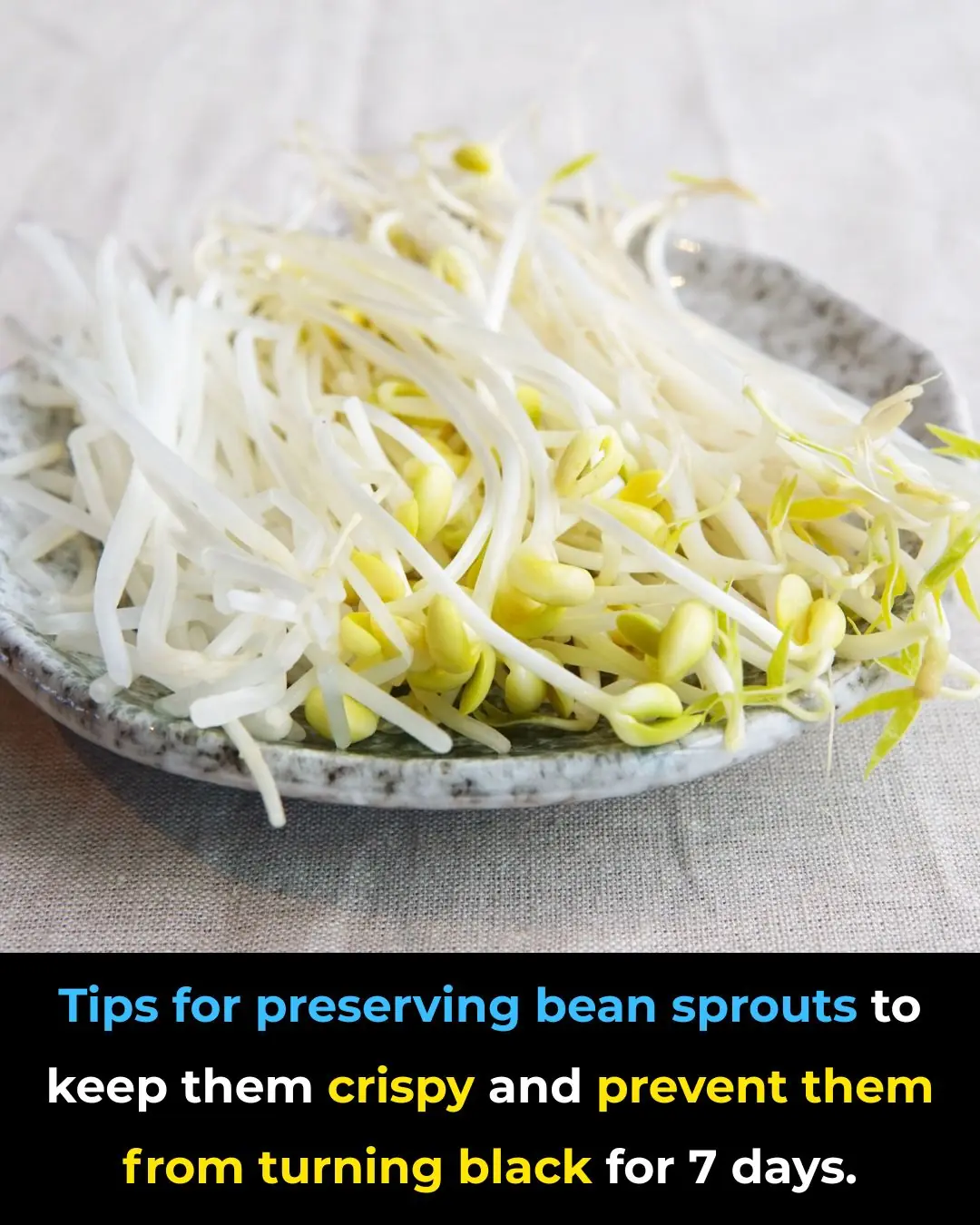
With just one simple extra step, you can enjoy a plate of bean sprouts that is perfectly crunchy, fresh, and delicious.
Bean sprouts are considered a “golden ingredient” in the kitchen thanks to their naturally mild sweetness, refreshing crunch, and impressive nutritional value. They are incredibly versatile—enjoyed raw, blanched for hotpot, added to soups, or stir-fried with other vegetables and meats. However, despite their simplicity, stir-fried bean sprouts often turn into a frustrating challenge for many home cooks. Why do they release so much water, become limp, or even develop an unpleasant odor after cooking?
The answer lies in a very common mistake: adding raw bean sprouts directly into hot oil. To achieve restaurant-quality stir-fried bean sprouts that are crisp, aromatic, and visually appealing, let’s uncover the professional secret below.
A delicious dish always begins with good ingredients. Nowadays, chemical stimulants are widely used in bean sprout production, so it’s important to choose carefully when shopping:
Check the roots: Naturally grown bean sprouts absorb water slowly, so they usually have long, thin roots. Chemically treated sprouts often have very short roots—or none at all.
Look at the color and thickness: Avoid bean sprouts that are overly white, plump, and glossy. While they may look attractive and feel crunchy, they tend to snap easily and are often chemically grown. Instead, choose sprouts that are slightly off-white or milky in color, with slimmer, more flexible stems.
Examine the leaf buds: Clean sprouts usually have leaf buds that begin to open or show a pale yellow or green tint. Chemically treated ones often have tightly closed buds pressed together.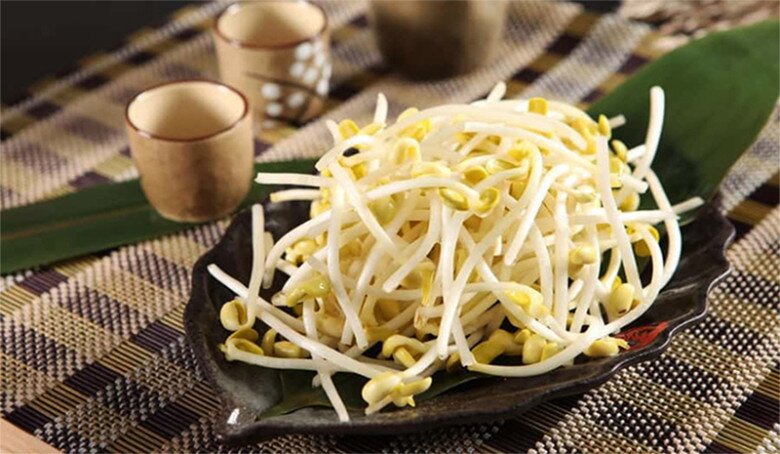
Main ingredient: 300g clean bean sprouts
Aromatics: Scallions, one small piece of ginger, dried chili (optional)
Seasonings: White vinegar, light soy sauce, salt, cooking oil
Tip: If available, a small splash of balsamic vinegar can add a deeper, more complex flavor.
Many people wonder why stir-fried bean sprouts sometimes smell unpleasant. According to chefs, the key lies in a quick blanching step before stir-frying.
Prep: Rinse the bean sprouts gently to avoid bruising, then drain thoroughly. Cut scallions into segments and finely mince the ginger.
Blanching (the most important step): Bring a large pot of water to a rolling boil and add 1 tablespoon of salt. Drop the bean sprouts into the boiling water for just 5–7 seconds, then immediately remove them and plunge them into cold water.
Why this works: The salt and heat eliminate the raw, grassy smell, while the cold water “locks in” the crisp texture and keeps the sprouts bright and translucent.
Quick stir-fry over high heat: Heat oil in a wok or pan, then sauté ginger, scallions, and dried chili until fragrant. Add the well-drained bean sprouts.
The flavor-enhancing touch: While stirring, drizzle a small amount of white vinegar around the edge of the pan. When vinegar hits high heat, it evaporates quickly, helping the sprouts stay crisp and preventing oxidation that causes discoloration. Season with light soy sauce, salt, and scallions. Stir rapidly for about 1 minute, then remove from heat.
Despite their crunchy appeal, bean sprouts should not be eaten raw or undercooked. Since they are typically grown at temperatures between 30–35°C, they can harbor bacteria if not properly cooked.
Best practice: Stir-fry bean sprouts until just cooked through—enough to eliminate bacteria while preserving vitamins and texture. Always use high heat and fast movements to prevent water release and sogginess.
With just a quick blanch and a splash of vinegar, your stir-fried bean sprouts will be completely transformed—clean white, irresistibly crunchy, and wonderfully fragrant. Save this simple trick to elevate your everyday meals and make your family dinners even more satisfying!