Put a roll of paper in the refrigerator, I regret not knowing sooner to do this
Tips 29/12/2025 23:48
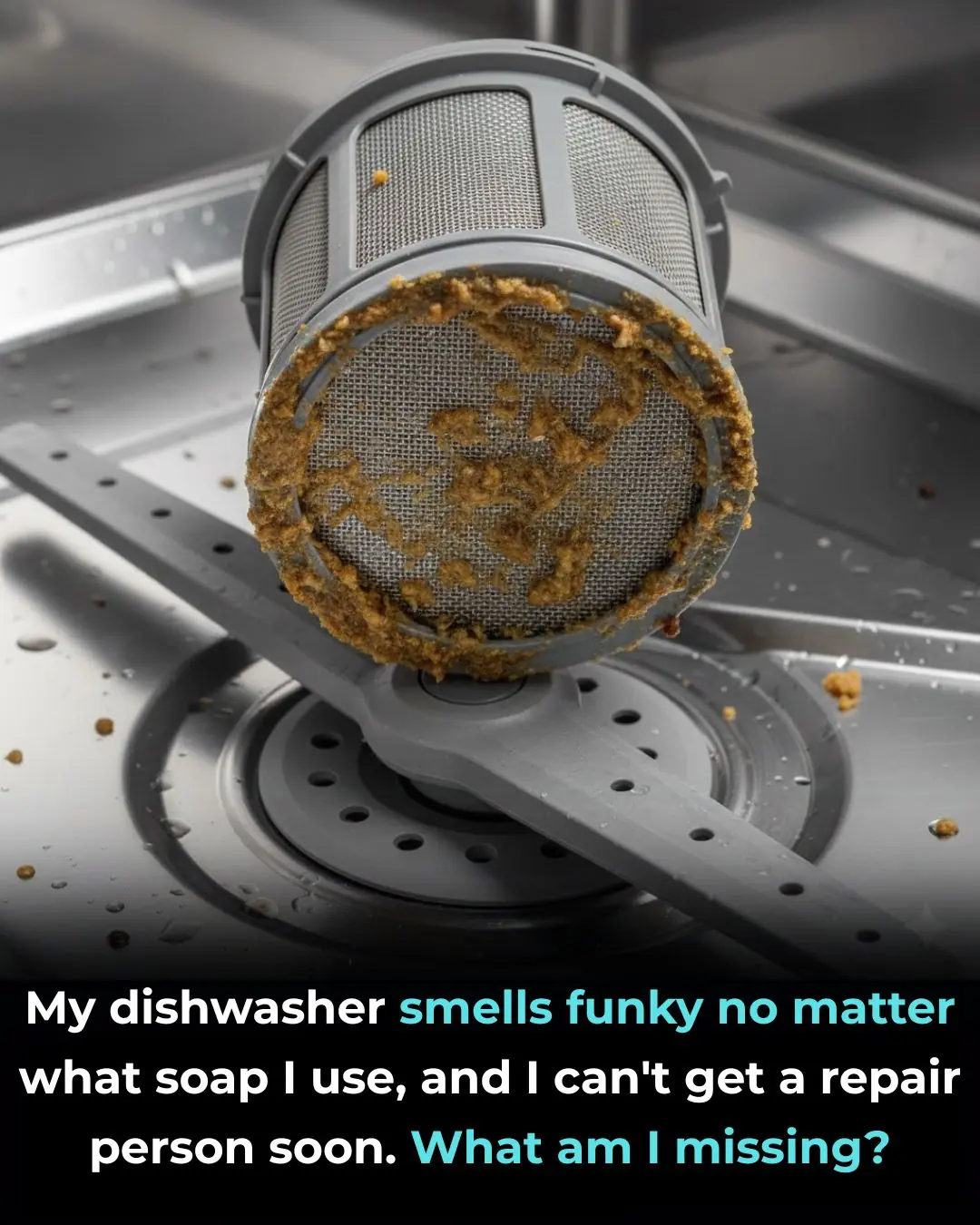
A dishwasher is one of the most convenient appliances in any modern kitchen, designed to save time and effort by handling one of the least enjoyable household chores. But when it starts giving off a persistent, unpleasant odor, that convenience quickly turns into frustration. No matter how much detergent you use or how often you run it, the smell seems to linger—sometimes even transferring to your supposedly “clean” dishes.
The good news is that most dishwasher odors have clear, fixable causes. From trapped food debris and grease buildup to hidden mold and drainage issues, several overlooked factors can contribute to the problem. Even better, many of these issues can be resolved without calling a professional repair service.
This guide breaks down the most common causes of dishwasher odors and provides practical, step-by-step solutions to help you restore freshness and keep bad smells from coming back.
One of the most common and overlooked causes of dishwasher odors is a dirty food filter. This component is designed to trap leftover food particles so they don’t redeposit on your dishes. Over time, however, those particles can accumulate, rot, and release foul smells.
To clean it, locate the filter at the bottom of the dishwasher—usually a circular or cylindrical piece that twists or lifts out. Remove any visible debris, then rinse it thoroughly under hot water. For stubborn buildup, use a soft brush and mild dish soap. Cleaning the filter once every few weeks can make a dramatic difference in both odor and cleaning performance.
Dishwasher spray arms are responsible for distributing water evenly throughout the machine. When their small holes become clogged with food residue or mineral deposits, water circulation suffers—and odors can follow.
Remove the spray arms according to your dishwasher’s instructions. Use a toothpick, paper clip, or thin wire to gently clear the spray holes. Rinse them under running water and reinstall. This quick maintenance step improves cleaning efficiency and prevents stale smells from developing.
The rubber gasket around the dishwasher door creates a watertight seal, but it also traps moisture, food particles, and grease. Over time, this creates a perfect environment for slime, mold, and mildew.
Wipe the gasket regularly using a cloth dipped in warm water mixed with vinegar or mild dish soap. Be sure to clean inside folds and creases where grime tends to hide. Keeping the gasket clean can eliminate a major source of unpleasant odors.
If water pools at the bottom of your dishwasher after a cycle, it’s a red flag. Standing water quickly becomes a breeding ground for bacteria, leading to strong odors.
Inspect the drain area for food debris or blockages. Check the drain hose for kinks or obstructions that might prevent water from flowing out properly. Clearing these issues helps prevent stagnant water—and the smells that come with it.
Many dishwashers drain through the kitchen garbage disposal. If the disposal is clogged or dirty, odors can travel backward into the dishwasher.
Run the disposal with cold water for several minutes to clear buildup. Using baking soda and vinegar or a disposal-cleaning product can also help neutralize odors. A clean disposal means a fresher dishwasher.
Dishwasher detergent is formulated to clean dishes—not necessarily the interior of the machine itself. Over time, grease can coat the walls, racks, and internal components, trapping odors.
Once a month, run an empty cycle with a commercial dishwasher cleaner or place a cup of white vinegar on the top rack and run a hot cycle. This helps dissolve grease and refresh the interior.
Dishwashers are warm, dark, and damp—ideal conditions for mold and mildew. Keeping the door tightly shut after every cycle traps moisture inside.
After running the dishwasher, leave the door slightly open to allow airflow and drying. This simple habit significantly reduces mold growth and keeps odors from forming.
Using the wrong detergent—or too much of the right one—can cause excessive suds, residue buildup, and lingering smells. Always use dishwasher-specific detergent and follow dosage recommendations.
Water hardness also matters. Hard water may require a different detergent amount or the use of a rinse aid to prevent residue and odor buildup.
Vinegar and baking soda are popular cleaning solutions for a reason—they’re effective, affordable, and safe for most dishwashers when used correctly.
To freshen your dishwasher:
Run a hot cycle with a cup of white vinegar placed on the top rack.
Then, sprinkle baking soda across the bottom and run a short cycle.
Avoid using them together in the same cycle, as they neutralize each other and reduce effectiveness.
In areas with hard water, mineral deposits and limescale can build up on dishwasher surfaces, trapping odors and reducing efficiency.
Use a dishwasher descaler or limescale remover regularly. Adding a rinse aid or installing a water softener can also help prevent buildup and keep your dishwasher smelling clean.
A drain hose that’s kinked, looped incorrectly, or deteriorating can trap dirty water inside the machine.
Inspect the hose for visible damage and ensure it’s properly routed to allow smooth drainage. Replacing a worn or damaged hose can eliminate persistent odor problems.
Overloading or improperly loading your dishwasher can block spray arms and prevent proper water circulation. This leaves food residue behind, which eventually leads to odors.
Load dishes according to the manufacturer’s guidelines, ensuring adequate spacing and unobstructed spray arms. Good loading habits improve cleaning and reduce smell-causing buildup.
Preventing dishwasher odors is easier than eliminating them once they appear. Make these habits part of your routine:
Clean the food filter and spray arms regularly
Wipe down the door gasket weekly
Run a monthly cleaning cycle with vinegar or a specialty cleaner
Ensure proper drainage
Leave the door slightly open after each cycle
With consistent maintenance, your dishwasher will stay fresh, efficient, and odor-free.