How Long Can Frozen Meat Be Stored? Here’s the Answer
Tips 03/12/2025 23:25
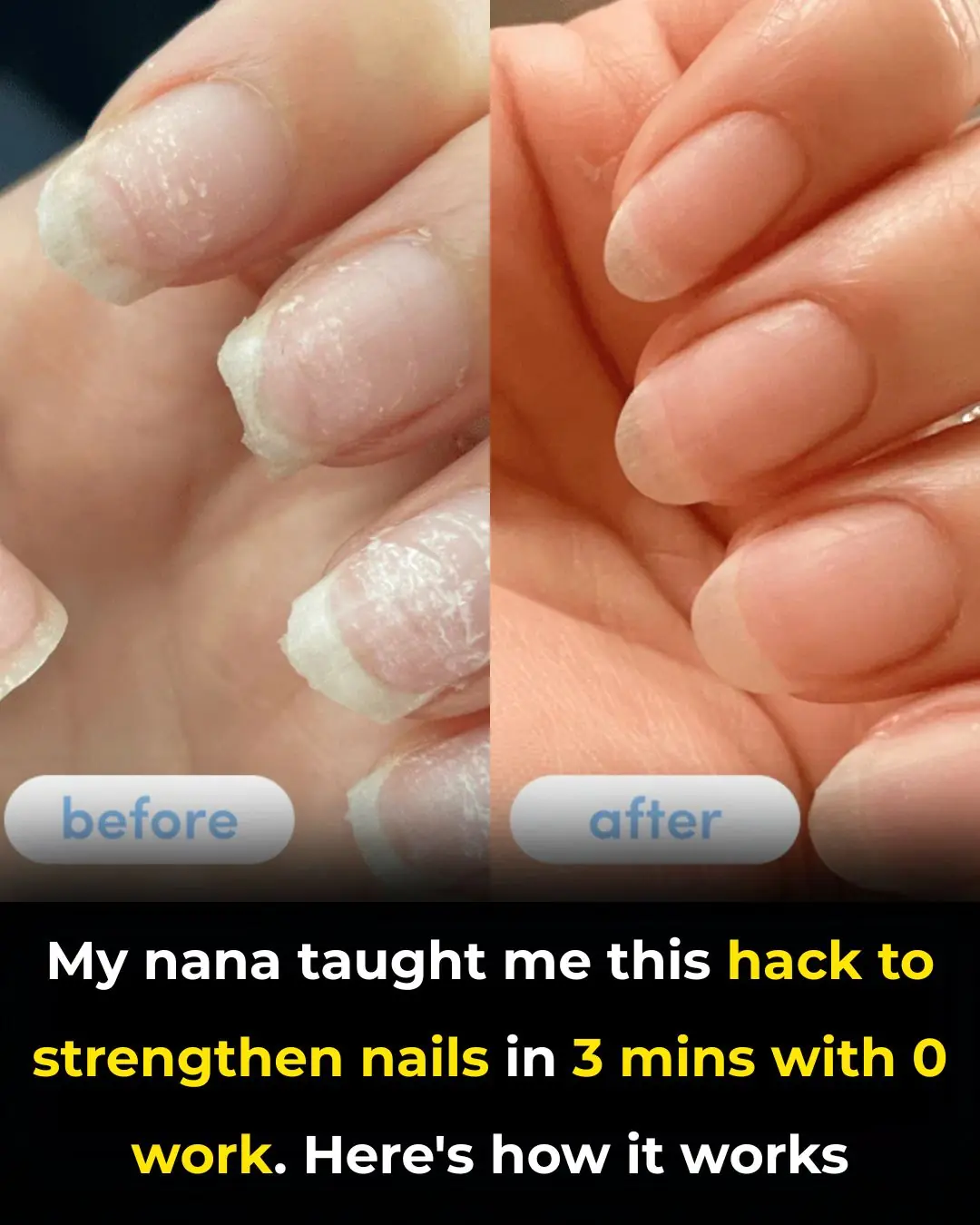
Nail polish is one of the most popular beauty products for adding color, personality, and style to your nails. But achieving a smooth, salon-quality result requires more than simply brushing on a few layers of color. Understanding the fundamentals of nail polish—from its ingredients to proper application techniques—can help you create polished, long-lasting manicures right at home. Whether you're new to nail care or already enjoy doing your own nails, mastering these basics will ensure your polish looks flawless and stays chip-free for days.
Nail polish is made from a combination of specialized chemicals that provide color, shine, durability, and smooth application. Most ingredients are safe in small amounts, but some raise concerns about health and environmental impact, especially with repeated use. Knowing what you’re applying to your nails allows you to make more informed, safer choices.
These ingredients create the hard, glossy film that develops once the polish dries.
Example: Nitrocellulose
Purpose: Forms the core structure of the polish and provides the smooth, glass-like finish.
Safety: Generally safe but highly flammable before drying.
These components help the polish adhere to the nail and remain flexible.
Examples: Tosylamide/formaldehyde resin, camphor, triphenyl phosphate (TPHP)
Purpose: Prevents cracking, increases shine, and improves durability.
Warning: Some (like TPHP) may act as hormone disruptors or irritants.
Solvents keep the polish liquid during application and evaporate as it dries.
Examples: Ethyl acetate, butyl acetate, isopropyl alcohol
Purpose: Ensures smooth application and faster drying.
Warning: Fumes can be irritating—use in a well-ventilated space.
These ingredients give the polish its color, shimmer, or special effects.
Examples: Iron oxides, titanium dioxide, ultramarines
Purpose: Provides vibrant shades and finishes from matte to glittery.
Note: Glitter is often made from microplastics, which harm the environment.
These protect the polish from fading or yellowing in sunlight.
Example: Benzophenone-1
Warning: Potential endocrine disruptor when used excessively.
Many traditional nail polishes contain chemicals linked to allergies, hormone disruption, or even cancer. Try to avoid:
Formaldehyde – carcinogenic, found in hardeners
Toluene – affects the nervous system
Dibutyl Phthalate (DBP) – reproductive toxicant
Formaldehyde Resin – triggers skin sensitivity
Camphor – can cause nausea and dizziness
TPHP – endocrine disruptor
Parabens – hormone-interfering preservatives
Xylene & Ethyl Tosylamide – banned in some countries due to safety concerns
These chemicals are often referred to as the “Toxic Trio”, though many brands now eliminate up to 10–15 questionable ingredients.
Modern “clean” nail polishes are labeled:
5-Free: No formaldehyde, toluene, DBP, formaldehyde resin, camphor
7-Free: Also excludes xylene and ethyl tosylamide
10-Free or 12-Free: Removes additional parabens, fragrances, and animal-derived ingredients
Better ingredient substitutions include:
Acetyl tributyl citrate instead of DBP or TPHP
Mineral-based pigments instead of synthetic dyes
Biodegradable glitter instead of plastic glitter
Phenoxyethanol instead of parabens
Choosing safer formulas helps protect both your health and the planet.
Good preparation is the foundation of a long-lasting manicure. Follow these steps:
Remove old polish using a gentle, acetone-free remover.
Trim and file nails to your preferred shape.
Soak nails in warm, soapy water to soften cuticles.
Push cuticles back carefully—never cut them unless necessary.
Wash hands to remove debris and oils.
Apply a base coat to protect your nails and create an even surface.
Extra tip: Lightly buffing the nail surface helps the polish adhere better and last longer.
When picking a nail polish, consider:
Color: Choose shades that match your skin tone or the occasion.
Finish: Glossy for shine, matte for sophistication, glitter for bold looks.
Formula: Quick-dry, long-wear, breathable, or clean beauty options.
Durability: Look at reviews to check chip resistance.
Safety: Avoid formulas with harmful chemicals when possible.
If choosing between brands, test a small patch or swatch to see how smoothly it applies.
To get a smooth, durable manicure:
Start with a thin layer of base coat.
Apply nail polish using three main strokes: center, left, right.
Use thin layers—two coats are usually enough.
Allow each layer to dry completely to prevent smudges.
Seal with a high-quality top coat for shine and chip resistance.
Don’t forget to cap the free edge of each nail to prevent peeling.
Pro tip: Keep hands steady by resting your painting hand on a flat surface.
If you're in a hurry:
Use a quick-dry top coat or spray.
Dip freshly painted nails into cold water for 1–2 minutes.
Avoid heat, which can cause bubbling.
Refrain from using your hands for at least 30 minutes.
You can also try using a fan or cool air from a blow dryer.
To extend the life of your polish:
Add a fresh layer of top coat every 2–3 days.
Limit contact with water and harsh chemicals.
Wear gloves when cleaning or doing dishes.
Moisturize hands and cuticles daily.
Avoid picking or peeling the polish.
Healthy nails help polish last longer, so maintain good nail hygiene.
When it’s time to remove your polish:
Choose an acetone-free remover to protect nails from dryness.
Press a soaked cotton pad onto the nail for several seconds.
Wipe in one direction to prevent streaking or damage.
Wash hands afterward and apply cuticle oil or moisturizing cream.
Avoid harsh rubbing, which can weaken or scratch the nail surface.
Chemical Exposure: Some formulas contain toxins that affect the skin or respiratory system.
Nail Damage: Frequent polishing can lead to brittle or peeling nails.
Staining: Dark colors may stain nails without a base coat.
Risk of Infection: Damage to the nail bed or cuticles can allow bacteria to enter.
Environmental Pollution: Non-biodegradable glitter and some solvents harm wildlife and water sources.
Applying nail polish involves more than aesthetics—it requires knowledge, technique, and proper care. By understanding nail polish ingredients, preparing your nails thoroughly, and using safe, high-quality products, you can achieve stunning results that last. A thoughtful manicure routine not only enhances your appearance but also protects your nail health. With the right tools and habits, you can enjoy vibrant, long-lasting nails while keeping them strong and beautiful.