How to get rid of urinary tract infections completely naturally according to science
Tips 03/12/2025 14:59
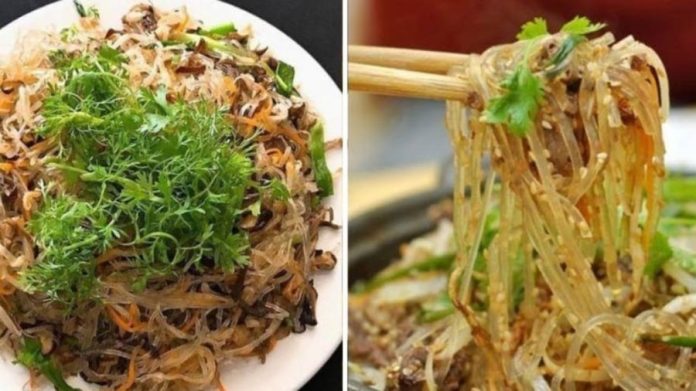
Stir-fried glass noodles (miến xào) are delicious, but many people struggle with noodles that stick to the wok, turn mushy, or clump together. To achieve long, springy strands that stay separate and perfectly chewy, try the following tips and techniques.
On the market today, glass noodles come in various colors and materials. Based on appearance alone, you can usually identify these three popular types:
These noodles are typically made from refined starches. Their neutral color makes them suitable for many dishes and allows them to absorb flavors well.
These are often naturally colored using molasses or plant-based coloring agents. The slightly golden hue enhances visual appeal and adds a mild sweetness.
Gray noodles are made from the starch of the củ dong riềng (arrowroot). They are known for their firmness and beautiful translucency once cooked.
In addition to color, glass noodles can also be categorized by their main ingredient:
Containing up to 90% rice starch, these noodles have an amylose content of 18–45%, which determines their elasticity. They also contain around 9.4% protein.
A popular type of gray noodle made from arrowroot starch. They have higher protein content and natural gelling agents that help maintain a clear, glossy appearance after cooking.
Made primarily from mung beans, these noodles are highly nutritious and loved for their smooth, firm texture and health benefits.
A blend of wheat flour, rice flour, mung bean starch, potato starch, or other ingredients to create noodles with varied texture and color.
To keep noodles from sticking to the pan, turning soggy, or clumping, follow these crucial steps:
Divide the noodles into smaller bundles and shake them loose before processing. This helps ensure even soaking and prevents clumping during stir-frying.
Do not soak for too long, or the noodles will become overly soft, lose flavor, and break easily.
This is the most important step. Blanch for about 1 minute, then remove immediately. Doing this keeps the strands firm, springy, and easy to stir-fry later.
Place the noodles in cold water (add ice cubes if possible) right after blanching. Once cooled, drain thoroughly. This technique tightens the starch, making the noodles chewier and preventing them from sticking.
Mix the noodles with a small amount of cooking oil or egg white. This creates a thin layer on the surface, helping the noodles stay separate and glossy during stir-frying.
Always stir-fry vegetables and proteins first. Add the noodles at the end, gently toss everything together, and turn off the heat immediately to avoid overcooking.
Extra tip: Use a large wok on high heat and avoid stirring too vigorously. Overhandling can break the noodles.
Glass noodles can be used to make both traditional and creative dishes. Here are some tasty suggestions:
A light, refreshing dish with a balance of sweet, sour, and savory flavors. The chewy noodles pair beautifully with tender duck meat, herbs, and a tangy dipping sauce.
Sweet, succulent crab meat enhances the aroma of the dish. The noodles soak up the crab juices, creating a rich, satisfying flavor with a pleasant chewy bite.
The noodles remain firm, evenly seasoned, and oil-free. Stir-fried eel brings a deep, savory sweetness, while the vegetables provide crisp texture. Serve with a small bowl of broth and a sprinkle of pepper and cilantro for a perfect finish.
Vegetarian stir-fried glass noodles with mushrooms, tofu, and seasonal vegetables.
Korean-style japchae, featuring sesame oil, spinach, carrots, and beef.
Seafood glass noodle stir-fry with shrimp, squid, and scallops for a hearty, colorful dish.
These variations offer more flavors and textures while keeping the noodles the star of the plate.