Michael B. Jordan Opens Up to David Letterman About His Future: ‘I Want Children’
News 08/01/2026 14:47
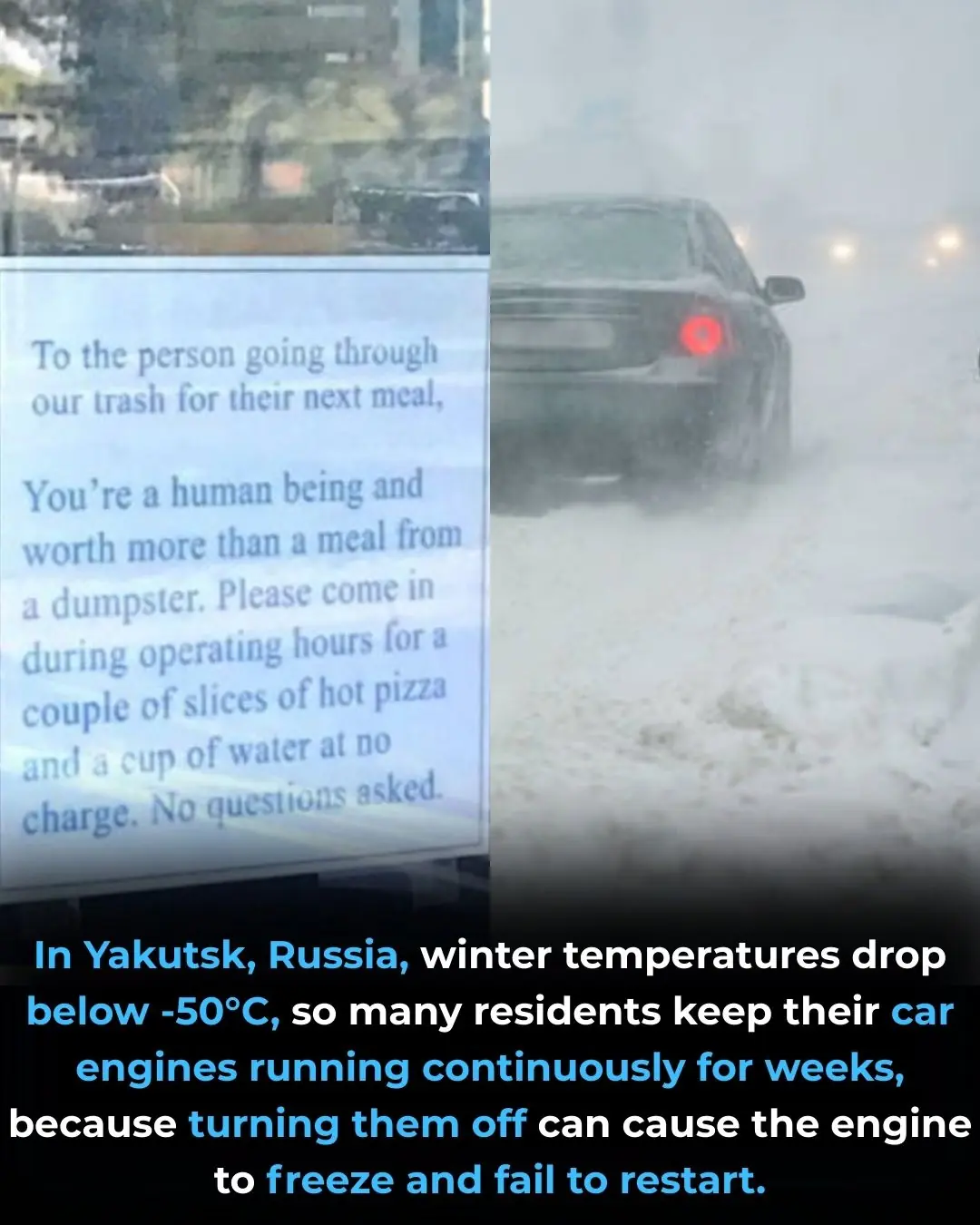
A Little Caesars pizza restaurant in Fargo, North Dakota, attracted widespread attention and praise after its general manager noticed a person searching the trash outside the store for something to eat and responded with a heartfelt and compassionate message instead of ignoring the situation. Rather than turning people away or simply assuming nothing could be done, the manager – identified in local reports as Michelle Lussier – chose to act with empathy. She posted a handwritten sign in the restaurant window offering free food to anyone in need, inviting those who might otherwise scavenge in garbage bins to come inside during business hours for fresh pizza and a drink at no charge. The message on the sign read, in part: “To the person going through our trash for their next meal, you’re a human being and worth more than a meal from a dumpster. Please come in during operating hours for a couple slices of hot pizza and a cup of water at no charge. No questions asked.”
The gesture quickly went viral on social media and was covered by multiple news outlets, with people around the world applauding the store’s simple but powerful act of kindness. Many commented that the sign was not just about free food, but about restoring dignity to people who are struggling and reminding the community that hunger and homelessness can affect anyone. In interviews with local media, the restaurant manager emphasized that there should be no shame in accepting help: she encouraged those who are hungry not to feel embarrassed, even if they do not want to ask others for assistance on the street.
This moment in North Dakota reflects a broader pattern of community-oriented initiatives by Little Caesars as a company and through its franchisees. Beyond this one store’s outreach, the brand operates the Little Caesars Love Kitchen, a long‑standing program that brings free pizza and meals directly to underserved populations. In 2025, the Love Kitchen celebrated its 40th anniversary, serving thousands of people across the United States with hot meals and reaching its four millionth guest during a hometown tour in Detroit. The program’s mission has been to support those in need during times of crisis and everyday hardship, including by visiting shelters, community organizations, and disaster‑affected areas.
The Fargo Little Caesars also participates in food donation efforts beyond the sign initiative. According to local reports, the store donates leftover pizzas to food shelves and shelters, and sometimes includes a donation box to help support broader charitable causes within the community.These kinds of business‑led contributions highlight an important but often overlooked source of support in addressing food insecurity: local restaurants and enterprises stepping up to fill gaps where formal services are limited.
Experts in food security and social welfare note that hunger remains a persistent problem in many American cities. Even in areas with relatively strong economies, individuals and families can face unexpected hardships that lead to food scarcity. Initiatives like the one by this Little Caesars store can both provide immediate relief and spark larger conversations about how communities, businesses, and governments can collaboratively address issues of poverty and access to food. Charitable food distribution programs — such as mobile kitchens, community pantries, and coordinated donation systems — play a crucial role in building more compassionate and resilient local support networks. For example, partnerships between food retailers and local shelters have been shown to reduce food waste while feeding vulnerable populations. (See USDA food donation programs and Feeding America networks for broader context.)
The response to this North Dakota pizza sign underscores how small acts of kindness can resonate widely, encouraging others to think differently about food waste, public dignity, and community responsibility. It also shows that when businesses choose empathy over indifference, they can influence public perceptions and inspire further charitable actions both locally and beyond.
A Little Caesars pizza restaurant in Fargo, North Dakota, captured international attention and praise after an extraordinary act of compassion by its general manager. When the manager saw a person digging through the trash outside the store looking for food, she chose not to ignore the situation but to respond with kindness. Instead of turning the individual away or assuming there was nothing to be done, she posted a handwritten sign in the restaurant window offering free slices of pizza and a drink to anyone who was hungry and in need. The sign’s message was clear and compassionate: “To the person going through our trash for their next meal, you’re a human being and worth more than a meal from a dumpster. Please come in during operating hours for a couple slices of hot pizza and a cup of water at no charge. No questions asked.” This heartfelt gesture quickly went viral on social media, with thousands of people sharing the story and applauding the restaurant’s willingness to help those struggling with hunger rather than ignore them.
The response from the community and the broader public was overwhelmingly positive. Many commenters noted that the sign was more than just an offer of free food—it was a message of dignity and respect for people who might otherwise feel ashamed or invisible. By creating a welcoming space where anyone in need could receive a meal without judgment, the restaurant sent a powerful message about empathy and human connection. In interviews with local media outlets, the manager stressed that no one should feel embarrassed to accept help when they are facing hunger, even if they are reluctant to ask for assistance on the street. She emphasized that offering a warm meal to someone in need is a basic human act, not something to be stigmatized.
This act of kindness reflects a broader ethos of community engagement among some Little Caesars locations and aligns with larger efforts by the company to support underserved populations. Little Caesars operates the Little Caesars Love Kitchen, a mobile pizza kitchen program that has been delivering free meals to people in need for decades. In 2025, the Love Kitchen marked its 40th anniversary and celebrated serving its four millionth guest, demonstrating the long‑term commitment of the brand to helping communities during times of hardship, disaster, and everyday need. The Love Kitchen regularly visits shelters, community centers, and disaster‑affected regions to ensure that hot meals are available when and where they are most needed.
In Fargo, the restaurant’s outreach goes beyond simply posting a sign. According to local reports, this Little Caesars location has a long‑standing practice of donating leftover pizzas to local food shelves and shelters to reduce waste and help feed people facing food insecurity. The manager noted that the sign was just an extension of what the restaurant already believed in: using its resources to make a positive impact in the community. Customers and residents who saw the sign expressed admiration for a business that chose humanity over profit, and some have even stepped forward to volunteer or donate to local charities as a result of being inspired by the gesture.
Experts in food security and social welfare note that hunger remains a persistent and pressing issue in the United States, even in communities with seemingly strong local economies. Many individuals and families can experience sudden financial hardships due to medical expenses, job loss, or other unexpected events, leaving them unable to afford basic necessities such as food. Community‑based efforts like the one seen in Fargo can provide immediate relief to those in need while also fostering greater public awareness of how prevalent food insecurity truly is. Programs that partner with restaurants, food retailers, and non‑profits are increasingly recognized for their role in reducing food waste and expanding access to nutritious food. For example, the U.S. Department of Agriculture and Feeding America have highlighted the importance of food donation networks and collaboration with businesses to ensure that surplus food reaches those who need it most.
The viral image of the Little Caesars sign served as a reminder that even small acts of kindness can generate meaningful impact. It demonstrated how a single decision by a local business can spark a larger conversation about compassion, food waste, and community responsibility. In a society where systemic challenges such as poverty and hunger require multifaceted solutions, gestures like this one play a crucial role in building compassionate communities. They encourage others to think creatively about how they can contribute—whether through donating time, resources, or simply treating others with dignity and respect. As discussions about corporate social responsibility continue to evolve, many people see this story as an example of how everyday businesses can make a difference not just through formal programs, but through everyday choices that put people first.