Rippled Fingernails May Reveal Hidden Health Problems
While a fresh manicure can disguise ridges, ripples, and bumps, glossy polish cannot hide what may be happening beneath the surface. Fingernails are more than just a cosmetic feature—they can act as small windows into your overall health. Changes in nail texture, color, or shape may sometimes reflect issues involving vital organs such as the liver, lungs, heart, or thyroid.
According to the National Library of Medicine (NCBI), various nail abnormalities—including ridges, stripes, and grooves—can be linked to underlying medical conditions. Although many nail changes are harmless and simply part of the natural aging process, others may serve as early warning signs that should not be ignored.
Vertical Stripes
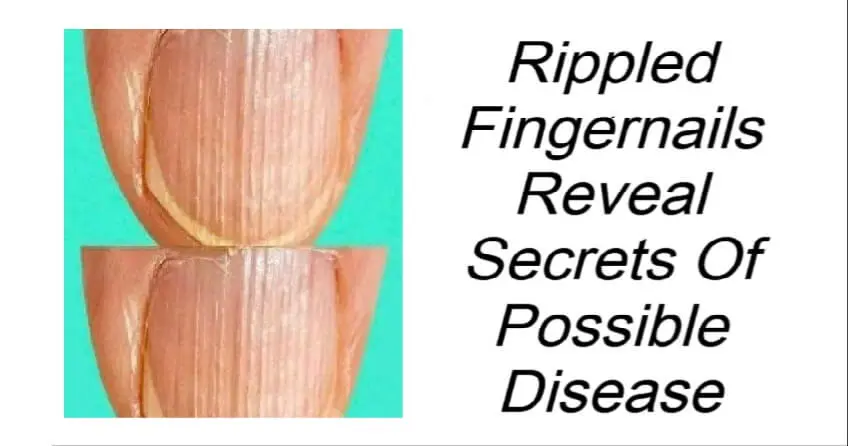
Vertical stripes, also called longitudinal ridges, are among the most common nail changes. These ridges usually run from the cuticle to the tip of the nail and tend to become more noticeable with age. In many cases, they are completely benign and require no treatment.
However, vertical ridges can sometimes be associated with nutritional deficiencies, particularly low levels of vitamin B12, magnesium, or iron. If these ridges appear suddenly, deepen rapidly, or are accompanied by fatigue, hair loss, or pale skin, they may point to conditions such as anemia or thyroid disorders. In such cases, a medical evaluation or blood tests may help identify the underlying cause.
Horizontal Stripes (Beau’s Lines)
Horizontal grooves across the nails, known as Beau’s lines, often suggest a temporary interruption in nail growth. This interruption may occur after significant physical trauma, high fever, severe infection, or major emotional or physiological stress.
Beau’s lines have also been linked to serious medical conditions, including malnutrition, uncontrolled diabetes, heart attacks, and chronic respiratory illnesses. When these lines appear on all fingernails and toenails at the same time, they may indicate a systemic disease such as pneumonia, mumps, coronary thrombosis, Kawasaki disease, syphilis, or hypoparathyroidism. The depth and width of these grooves can sometimes reflect the severity and duration of the illness.
White Stripes (Muehrcke’s Lines)
White, parallel horizontal lines that do not form grooves in the nail surface are known as Muehrcke’s lines. Unlike Beau’s lines, these stripes do not move as the nail grows and often fade temporarily when pressure is applied to the nail.
Muehrcke’s lines are commonly associated with low levels of blood proteins, especially albumin. They may be seen in people with chronic liver disease, kidney disorders, or severe malnutrition. Because these lines often appear on several nails at once, they can be an important visual clue that the body may be struggling to maintain proper protein balance.
The Role of Diet and Lifestyle in Nail Health
For many individuals, nail ridges and ripples are simply a sign of aging or mild dehydration. In these cases, gentle buffing, regular moisturizing, and improved hydration can help enhance nail appearance. More importantly, a balanced diet rich in high-quality protein, biotin, vitamin E, iron, zinc, and other essential nutrients plays a crucial role in maintaining strong, healthy nails.
Naturopathic doctor Dr. Sara Norris emphasizes that nail problems often reflect dietary issues rather than serious disease. “Brittle, weak, and peeling nails are the most common concerns I see in my practice,” she explains. “In most cases, these symptoms are linked to poor nutrition or impaired digestion, not major systemic illness.” Chronic stress, frequent exposure to harsh chemicals, and repeated use of gel or acrylic nails can also weaken nail structure over time.
Conclusion: Listening to What Your Nails Are Telling You
Your fingernails can provide subtle but meaningful clues about your health, ranging from normal age-related changes to signs of nutritional deficiencies or serious medical conditions. While many nail abnormalities are harmless and easily managed, sudden or widespread changes should not be ignored. Paying attention to your nails—and seeking medical advice when something looks unusual—may help detect underlying health problems earlier and support better long-term well-being.