10 Signs You’re Eating Too Much Sugar
Health 14/12/2025 23:38
Blood sugar plays a crucial role in keeping the body healthy and energized. It is the main source of fuel for the brain and muscles, but when blood sugar levels rise too quickly or remain high for long periods, they can cause serious health problems. Many people are unaware that their blood sugar is rising because the early warning signs are often subtle. Recognizing these red flags early can help prevent long-term complications such as type 2 diabetes, heart disease, and nerve damage.
One of the most common signs of rising blood sugar is constant thirst. When there is too much glucose in the blood, the kidneys work harder to remove the excess sugar through urine. This process causes the body to lose more fluids, leading to dehydration and an ongoing feeling of thirst. Along with increased thirst, frequent urination is another clear warning sign. People may notice that they need to use the bathroom more often, especially at night, even if they are not drinking more fluids than usual.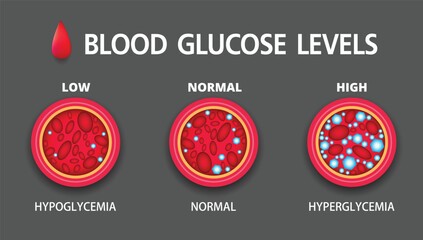
Another red flag is unexplained fatigue. High blood sugar prevents glucose from entering the cells effectively, meaning the body cannot use energy properly. As a result, a person may feel tired, weak, or drained even after getting enough sleep. This type of fatigue is often persistent and does not improve with rest, which can interfere with daily activities and overall productivity.
Blurred vision is also a common symptom of rapidly rising blood sugar levels. High glucose can cause fluid shifts in the eyes, affecting the shape of the lens and making it harder to focus clearly. While this symptom may come and go, it should never be ignored, especially if it occurs alongside other warning signs. Over time, uncontrolled blood sugar can lead to more serious eye problems and even vision loss.
Sudden hunger and increased appetite can also signal blood sugar imbalance. When insulin is not working effectively, glucose cannot enter the cells, leaving them “starving” for energy. This sends signals to the brain that the body needs more food, even when blood sugar levels are already high. As a result, a person may feel hungry shortly after eating or crave sugary and carbohydrate-rich foods.
Changes in the skin can also serve as red flags. Slow-healing cuts or wounds may indicate that high blood sugar is affecting circulation and immune function. Frequent infections, such as skin, gum, or urinary tract infections, can also occur because excess sugar in the blood creates an environment where bacteria and fungi thrive. In some cases, people may notice darkened patches of skin, especially around the neck or armpits, which can be a sign of insulin resistance.
Mood changes and difficulty concentrating are additional warning signs that should not be overlooked. High blood sugar can affect brain function, leading to irritability, anxiety, or trouble focusing. Some people may feel unusually restless or experience sudden mood swings without a clear reason.
In conclusion, rising blood sugar levels often send warning signals long before serious illness develops. Symptoms such as excessive thirst, frequent urination, fatigue, blurred vision, increased hunger, skin changes, and mood disturbances should be taken seriously. Paying attention to these red flags, maintaining a balanced diet, staying physically active, and seeking medical advice when needed can help protect long-term health and prevent dangerous complications.