Beatuty Tips 15/12/2025 00:35

Not Just the Fruit! Fascinating Facts About Carambola Leaves You’ll Wish You Knew Sooner

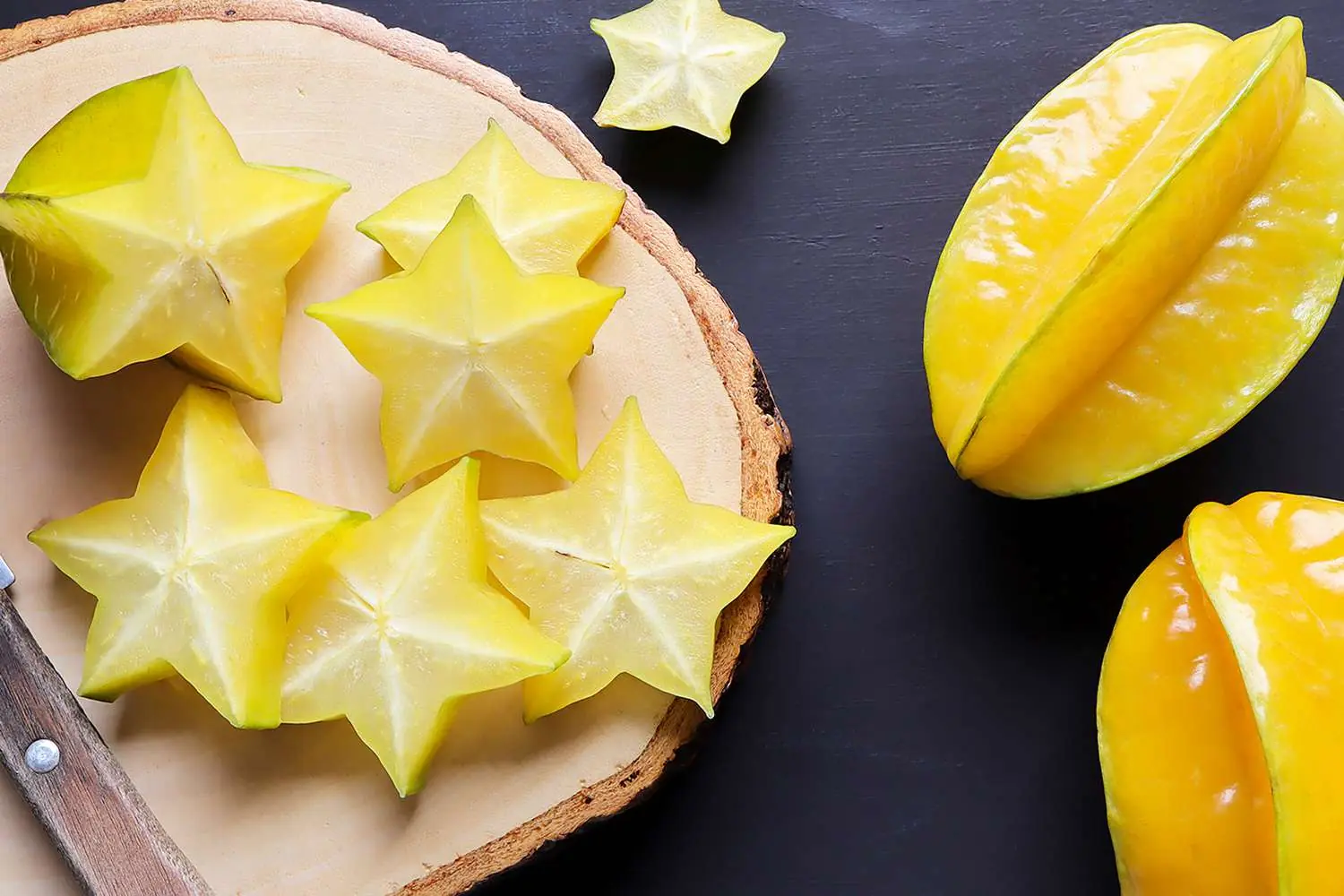
Carambola, commonly known as star fruit (Averrhoa carambola), is widely admired for its unique star-shaped slices and refreshing sweet-and-sour taste. While the fruit itself is popular in culinary use, far fewer people are aware that carambola leaves have long been valued in traditional medicine for their potential health-supporting properties.

For generations across Asia and tropical regions, carambola leaves have been used as a natural remedy to ease muscle discomfort, support digestive health, and complement cardiovascular well-being. Emerging scientific observations suggest that these leaves contain antioxidants, vitamin C, flavonoids, and bioactive compounds with mild anti-inflammatory and analgesic effects.
Traditional Benefits of Carambola Leaves

In traditional herbal practices, carambola leaves are primarily used in three key areas:

1. Relief from Muscle Pain and Inflammation

(back, neck, shoulders, and joints)

Carambola leaves are believed to contain compounds that provide:

  • Mild analgesic (pain-relieving) effects
  • Anti-inflammatory support

When used externally as a warm bath or poultice, they are traditionally applied to:

  • Relax tense or overworked muscles
  • Reduce stiffness and fatigue
  • Alleviate discomfort after physical activity or long working hours

This makes them a popular folk option for people experiencing minor back pain, neck tension, or joint soreness.

2. Digestive and Stomach Support

In several traditional systems, carambola leaf extracts or decoctions are consumed to help relieve:

  • Mild stomach discomfort
  • Indigestion and bloating
  • Occasional diarrhea or constipation

It is believed that the tannins and natural fiber in the leaves may help:

  • Regulate intestinal movement
  • Soothe the stomach lining
  • Support smoother digestion

When used responsibly, the leaves are considered a gentle digestive aid rather than a harsh laxative.

3. Complementary Support for Cardiovascular Health

Under proper guidance, carambola leaves have also been used as a supportive herbal option for cardiovascular wellness. Traditionally, they are believed to help with:

  • Promoting healthy blood circulation
  • Reducing overall body tension
  • Providing antioxidants that protect cells from oxidative stress

While carambola leaves do not replace medical treatment, some people incorporate them into a balanced lifestyle focused on heart health, stress management, and nutrition.

Main Recipe: Carambola Leaf Decoction

The most common way to use carambola leaves is by preparing a decoction, which involves simmering the leaves to extract their beneficial compounds.

Ingredients

  • 10–15 fresh carambola leaves, thoroughly washed
  • 1 liter of clean water

Preparation Steps

  1. Boil the Water
    Bring 1 liter of water to a rolling boil.
  2. Add the Leaves
    Once boiling, add the washed carambola leaves to the pot.
  3. Simmer Slowly
    Reduce the heat to medium-low and simmer gently for 20–30 minutes.
    You will notice the water gradually turning a dark green, indicating a concentrated infusion.
  4. Strain and Cool
    Remove from heat, strain out the leaves, and allow the liquid to cool slightly.

Internal Consumption Guidelines

  • Drink 1 warm cup, up to 2 times per day
  • Use for short periods only, and carefully observe how your body responds

Recipe #2: Soothing Bath and Anti-Inflammatory Poultice

Carambola leaves can also be used externally to relieve localized discomfort.

Ingredients

  • The prepared decoction
  • The strained, cooked leaves

Soothing Herbal Bath

  • Pour the decoction into a tub of warm water
  • Soak for 15–20 minutes, focusing on relaxing the back, neck, and legs

This method is commonly used to relieve stress and muscle fatigue.

Poultice for Localized Pain

  1. Take the cooked, still-warm leaves
  2. Crush or mash them into a smooth paste
  3. Place the paste onto a clean cloth or gauze
  4. Apply to the affected area for 15–20 minutes

Traditionally, this method is used to:

  • Ease minor muscle pain
  • Reduce localized inflammation
  • Relax muscles strained by physical exertion or prolonged sitting

 Important Warning: Kidney Health Considerations

Star fruit and its leaves contain oxalic acid and related compounds that may pose risks for individuals with:

  • Chronic kidney disease
  • Kidney failure
  • A history of kidney stones

If you fall into any of these categories:

  • Do not consume carambola fruit or leaves without consulting a healthcare professional
  • Oxalates may worsen kidney function in sensitive individuals

Additionally:

  • Do not use carambola leaves as a replacement for prescribed medication
  • Seek medical attention if you experience severe pain, swelling, urinary changes, or unusual fatigue

News in the same category

News Post