Is Your Toilet Sitting Position Causing Constipation? Here’s How to Fix It Naturally
Facts 14/12/2025 23:59
Fabric softeners are widely used in households around the world to make clothes feel softer and smell pleasantly fresh. However, behind the familiar “clean laundry” scent, fabric softeners may pose hidden risks to indoor air quality and long-term health. Growing scientific evidence suggests that the chemicals released by these products can negatively affect both human health and the environment.
According to Dr. Partha Nandi, a U.S.-based gastroenterologist and professor of medicine, the appealing fragrance of fabric softeners is often created by volatile organic compounds (VOCs). These include chemicals such as acetaldehyde, benzene, and limonene, which are commonly used in fragranced household products. Research from the U.S. Environmental Protection Agency (EPA) confirms that VOCs can evaporate into the air at room temperature and contribute significantly to indoor air pollution.
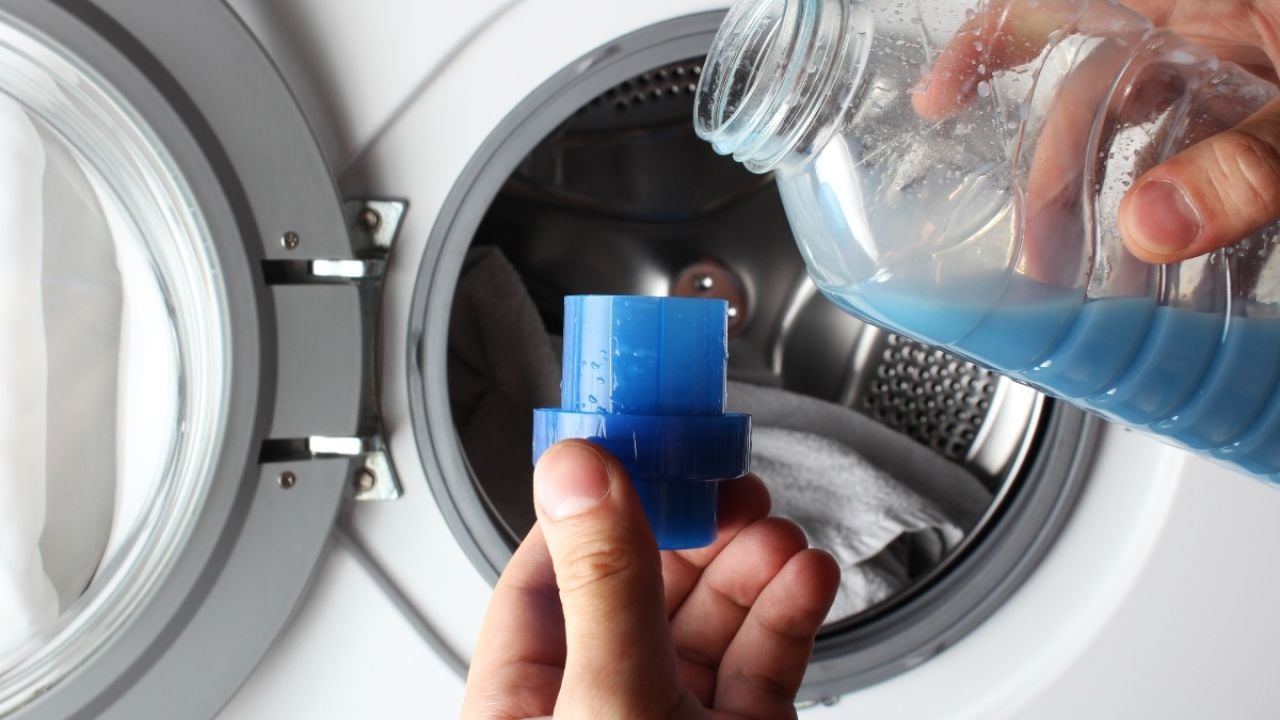
When clothes treated with fabric softeners are dried, VOCs are released through dryer vents and disperse into both indoor and outdoor air. Studies published in journals such as Environmental Health Perspectives have found that dryer emissions can contain hazardous air pollutants, including compounds classified as carcinogenic by the World Health Organization (WHO).
Indoor exposure to VOCs has been linked to a wide range of health symptoms. Common effects include coughing, throat irritation, headaches, dizziness, and skin reactions. While many people dismiss these symptoms as minor or temporary, long-term exposure may increase the risk of more serious conditions, such as respiratory diseases, asthma flare-ups, and hormone disruption. The Centers for Disease Control and Prevention (CDC) notes that prolonged exposure to certain VOCs can affect the nervous system and liver, particularly in vulnerable populations.
Because modern homes are often well-sealed for energy efficiency, chemical pollutants can accumulate indoors. This makes fabric softeners one of the most significant contributors to indoor air pollution in everyday households.
Dr. Nandi emphasizes that households with children, pets, elderly individuals, or people with chronic illnesses should be especially cautious. Children breathe more air relative to their body weight, making them more susceptible to airborne chemicals. Pets, particularly cats and dogs, can also experience respiratory irritation from fragranced products. People with asthma, allergies, or chemical sensitivities may notice worsening symptoms when exposed to fabric softeners.
The American Lung Association warns that fragranced laundry products can trigger asthma attacks and recommends fragrance-free alternatives for improved respiratory health.
To reduce exposure to harmful chemicals, experts recommend switching to safer, low-cost alternatives. Natural options such as white vinegar, baking soda, and wool dryer balls can soften fabrics effectively without releasing synthetic fragrances or VOCs. Homemade dryer sheets made from cloth and essential oils (used sparingly) are another popular option.
These alternatives not only protect indoor air quality but also offer environmental benefits. Reducing chemical use helps limit water pollution caused by detergent runoff and decreases plastic packaging waste. According to the EPA, choosing greener household products is one of the simplest ways to reduce environmental impact at home.
Improving indoor air quality does not require drastic lifestyle changes. Simple steps such as increasing ventilation, opening windows during laundry cycles, and choosing fragrance-free or plant-based laundry products can make a noticeable difference. Being aware of hidden chemical sources in everyday products empowers households to make healthier choices.
As awareness of indoor air pollution continues to grow, reevaluating everyday habits like laundry care becomes increasingly important. While fabric softeners offer convenience and fragrance, their potential health and environmental risks should not be ignored. Switching to natural, chemical-free alternatives ensures that clean clothes are not only fresh-smelling but also safer for everyone in the household. Small changes today can lead to cleaner air, better health, and a more sustainable future.