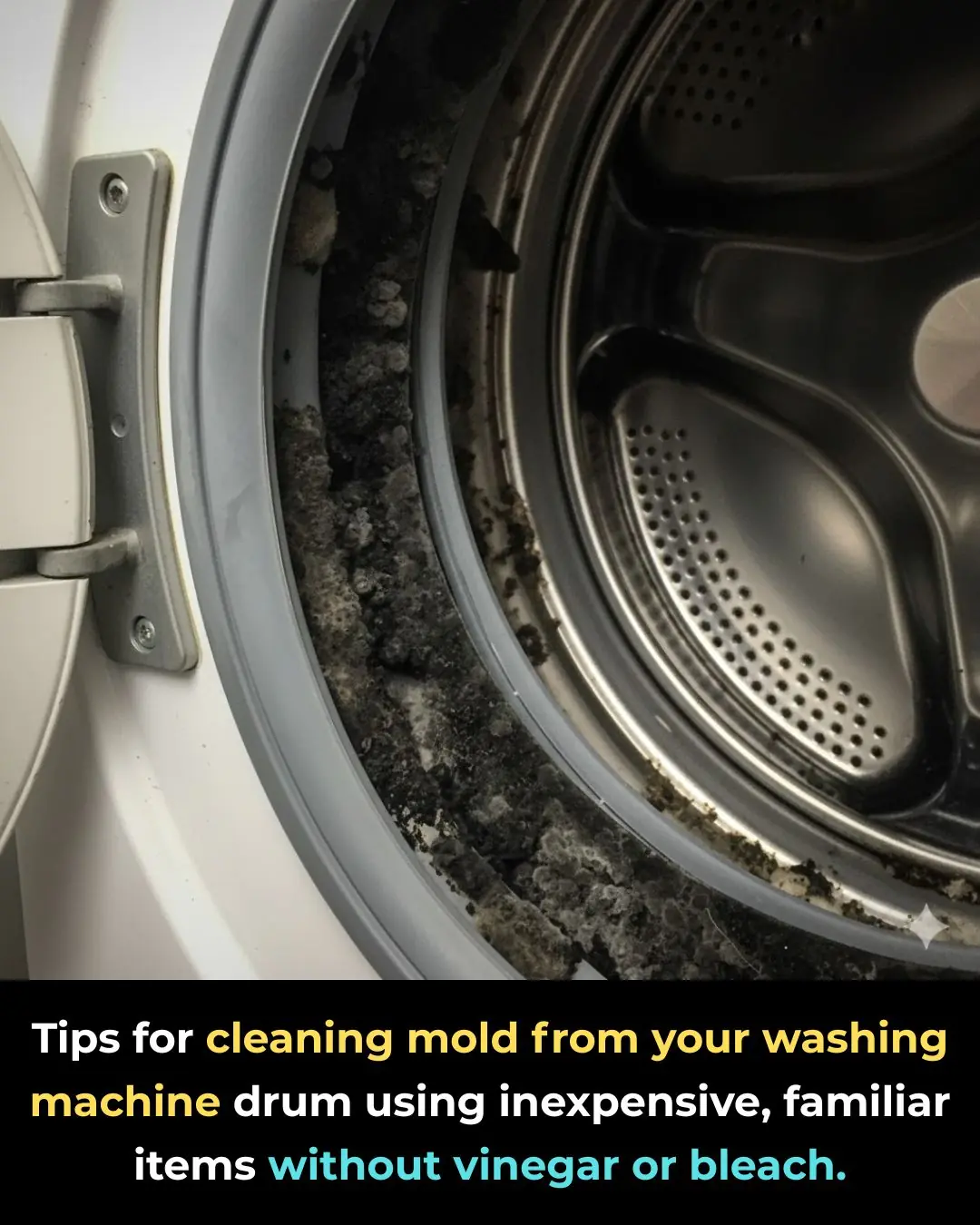
Tips for cleaning mold from your washing machine drum using inexpensive, familiar items without vinegar or bleach.
Tips 15/12/2025 00:24
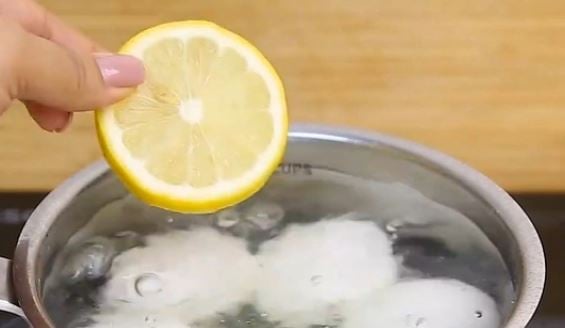 Boiling eggs with lemon may sound unusual, but it can actually deliver surprisingly great results. Let’s explore why this simple trick is worth trying.
Boiling eggs is one of the most basic cooking tasks, and almost anyone can do it. However, many people face a common problem: after boiling, the eggs are difficult to peel. The shell often sticks tightly to the egg white, causing the surface of the egg to tear and look unattractive. This is where boiling eggs with lemon can make a noticeable difference.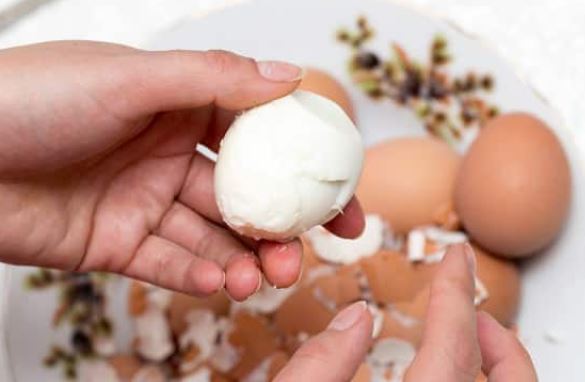
Simply add a few slices of lemon to the pot of water when boiling the eggs. The natural acidity of the lemon helps loosen the shell, making it much easier to peel once the eggs are cooked. As a result, the egg white remains smooth and intact, giving you a more visually appealing boiled egg. If you don’t have lemon on hand, you can substitute it with one teaspoon of vinegar added to the boiling water. This method works in a similar way and is equally effective.
In addition to using lemon or vinegar, there are several other useful tips you can apply to make boiled eggs easier to peel.
This is a popular method used by many home cooks. Adding one teaspoon of salt to the boiling water can help prevent the egg white from sticking to the shell, making the peeling process smoother and faster.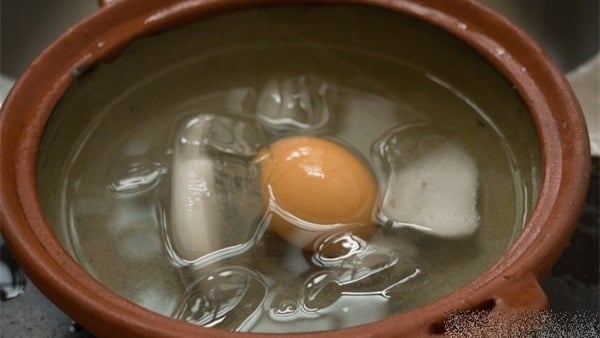
Once the eggs have reached your desired level of doneness, remove them immediately and place them into a bowl of cold water. This rapid temperature change creates a thermal shock that helps separate the shell from the egg white. Make sure the eggs are fully submerged in cold water. Soaking them in only a small amount of water or leaving them in the hot cooking water will not be effective.
Allowing the eggs to cool completely before peeling will further reduce the chance of the shell sticking to the egg white.
Before boiling, take the eggs out of the refrigerator and let them sit at room temperature for about two hours. This helps prevent the shells from cracking during cooking and allows you to control the boiling time more accurately for the desired texture.
When boiling eggs, ensure that there is enough water in the pot to fully cover them. Once the water begins to gently bubble, carefully lower the eggs into the pot to avoid cracking. Cover the pot, keep the heat low, and allow the water to simmer rather than boil vigorously.
If you want the yolk to stay centered, gently stir the water with chopsticks or a spoon for the first 3–4 minutes of cooking.
Cooking times vary depending on your preference:
6 minutes for a soft-boiled egg with a slightly runny yolk
8 minutes for a medium-boiled egg with a tender, creamy yolk
10 minutes for a fully cooked egg
12–15 minutes for a hard-boiled egg with a firm yolk
Keep in mind that overboiling eggs can cause a greenish-gray ring to form around the yolk, reduce the egg’s natural richness, and make the texture dry and chalky.
By applying these simple tips—especially the lemon trick—you can enjoy perfectly boiled eggs that are easy to peel and look just as good as they taste. 🍋🥚