12 Herbal Balms You Should Keep at Home
Tips 13/12/2025 22:28
12 Kitchen Mistakes to Avoid for Better Health and Cooking Efficiency
The kitchen is often considered the heart of the home, where delicious meals are prepared and shared. However, many of us unknowingly make mistakes in the kitchen that can not only affect the quality of our food but also our health. By being aware of common kitchen blunders, we can ensure a safer, healthier cooking environment and enjoy better-tasting meals. Below are 12 kitchen mistakes to avoid, along with explanations of why these practices could be harmful and how to remedy them.
Tomatoes and Aluminum Cookware
Tomatoes are highly acidic, which makes them reactive with aluminum cookware. When the acid in tomatoes comes into contact with aluminum, it can cause the metal to leach into the food, potentially affecting the flavor and posing health risks. To avoid this, it’s best to use cookware made from stainless steel, ceramic, or glass when preparing tomato-based dishes. Not only will this prevent any potential leaching, but it will also preserve the taste and nutritional quality of your food. (Source: National Institutes of Health)
Dairy and Copper Cookware
Copper cookware is known for its excellent heat conductivity, but when it comes into contact with dairy products, it can lead to metal contamination. The proteins and acids in dairy can react with copper, causing off flavors and, in some cases, making the dairy unsafe to consume. To avoid this, use stainless steel or enamel-coated cookware for cooking dairy-based dishes. This will help preserve the taste and safety of your food. (Source: U.S. Food and Drug Administration)
Hot Soup in Styrofoam Containers
While Styrofoam containers are commonly used for takeout and storing food, they can be dangerous when filled with hot liquids, such as soup. The heat from the soup can cause the Styrofoam to break down, releasing harmful chemicals like styrene, which can leach into your food. To avoid this risk, store hot soup in glass, stainless steel, or microwave-safe containers instead. These materials will not react with heat and provide a safer, more durable option for storing hot liquids. (Source: Environmental Protection Agency)
Leftovers Wrapped in Plastic Wrap (Hot Food)
When hot food is wrapped in plastic wrap, the heat can cause chemicals from the plastic to migrate into the food. Many plastic wraps contain chemicals like phthalates, which can interfere with hormone function and pose long-term health risks. To prevent this, allow your food to cool to room temperature before covering it with plastic wrap, or use glass containers with tight-fitting lids to store leftovers. (Source: Centers for Disease Control and Prevention)
Citrus Juice in Plastic Bottles
Citrus juice is highly acidic, and when it comes into contact with plastic bottles, it can accelerate the leaching of microplastics and chemicals into the liquid. This is especially concerning if the plastic bottle is old or cracked. To avoid this, it’s better to store citrus juices in glass or stainless steel containers, which are non-reactive and safer for long-term storage. (Source: Journal of Environmental Science and Technology)
Acidic Fruit in Cracked Stoneware
Stoneware is a popular choice for cookware due to its even heat distribution, but if it has tiny cracks or chips, it can trap bacteria, which are difficult to clean. Additionally, acidic fruits like citrus or tomatoes can react with the cracked surface, potentially leading to contamination. To avoid this, check your stoneware regularly for any damage and replace it if necessary. If you're concerned about cracks, opt for ceramic or glass cookware, which are easier to clean and less likely to harbor bacteria. (Source: Food Safety and Inspection Service, USDA)
Vinegar and Cast Iron
Cast iron skillets are beloved for their durability and ability to retain heat, but using vinegar on cast iron can cause damage. Vinegar is acidic and can strip away the seasoning that forms a protective layer on the pan, making it more susceptible to rust. To avoid this, use cast iron for dry cooking or use a non-abrasive cleaner if you need to clean it after use. When using vinegar in cooking, it's better to opt for stainless steel or enameled cookware. (Source: Cook’s Illustrated)
Microwaving Food in Plastic Containers
Many plastic containers are not microwave-safe and can release harmful chemicals when heated. When plastic is heated in the microwave, it can break down and leach chemicals like BPA or phthalates into your food, potentially affecting your health. To avoid this, always use microwave-safe containers made from glass or microwave-safe plastic. Avoid using plastic containers that are not labeled as microwave-safe to ensure the safety of your food. (Source: Harvard T.H. Chan School of Public Health)
Deep Frying with Non-Stick Pans
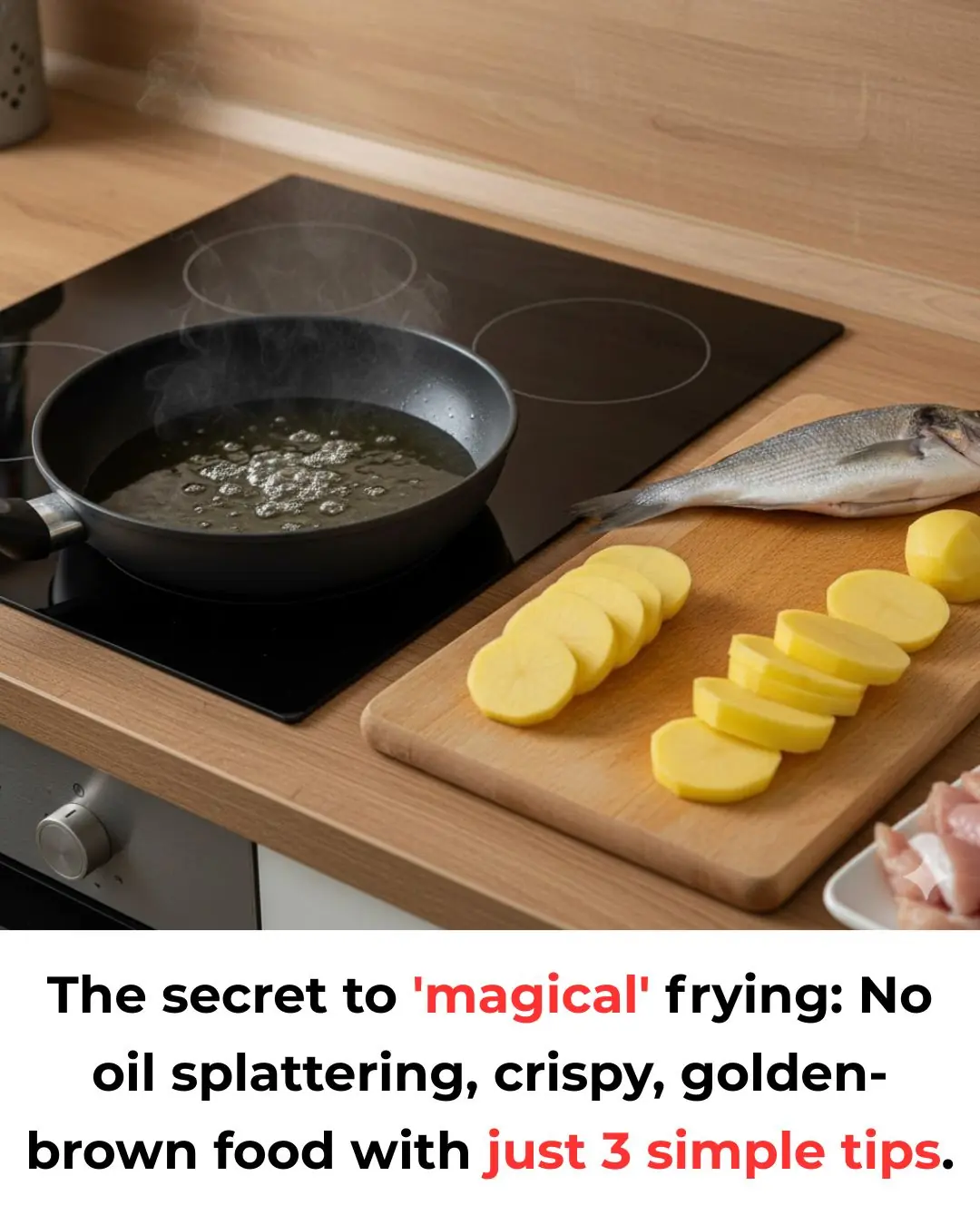
Non-stick pans are convenient for cooking, but they are not suitable for deep frying. High heat can damage the non-stick coating, releasing toxic fumes and potentially degrading the coating material. The PTFE (polytetrafluoroethylene) coating can also break down under high heat, releasing harmful gases. For deep frying, it’s better to use heavy-duty stainless steel or cast iron pans, which can withstand high temperatures and ensure safe cooking. (Source: Environmental Health Perspectives)
Storing Salt in Metal Containers
Salt is hygroscopic, meaning it absorbs moisture from the air. When stored in metal containers, salt can pull moisture from the environment, which can lead to rusting and corrosion of the container over time. To prevent this, store salt in a dry, airtight container made from ceramic, glass, or plastic. These materials will help keep the salt dry and prevent it from interacting with the container. (Source: Salt Institute)
Honey and Metal Spoons
Using metal spoons to scoop honey can alter its flavor over time. Honey contains natural enzymes that can react with metals, leading to a slight degradation in taste and quality. To preserve the flavor and health benefits of honey, always use wooden or plastic spoons to handle it. This will help maintain its natural properties and keep it fresh for longer. (Source: Journal of Food Science)
Using Damaged Non-Stick Utensils
Non-stick utensils, like spatulas, can become scratched and damaged over time, especially if used with metal or abrasive tools. Scratches on non-stick surfaces can increase exposure to harmful chemicals from the coating material, such as PFOA and PTFE, which can degrade over time. To avoid this, replace any damaged non-stick utensils and always use soft, non-abrasive tools like silicone, wood, or plastic to protect the coating and prolong the life of your cookware. (Source: Consumer Reports)
In conclusion, avoiding these common kitchen mistakes can help improve your cooking experience, prevent potential health risks, and preserve the quality of your food. By being mindful of the materials you use and the cooking methods you adopt, you can ensure that your kitchen remains a safe and efficient space for preparing meals.
Sources:
National Institutes of Health
U.S. Food and Drug Administration
Environmental Protection Agency
Centers for Disease Control and Prevention
Journal of Environmental Science and Technology
Food Safety and Inspection Service, USDA
Cook’s Illustrated
Harvard T.H. Chan School of Public Health
Environmental Health Perspectives
Salt Institute
Journal of Food Science
Consumer Reports