No need for mosquito repellent, use this readily available household item to drive away mosquitoes, it's both cheap and safe.
Tips 12/12/2025 21:38
When shopping at a local market or seafood counter, many people focus on price, size, or freshness, but rarely pay attention to the shape of the shrimp. In reality, whether shrimp are straight or naturally curved can reveal important information about their quality, freshness, and how they were handled before reaching the consumer. Although the difference may seem small at first glance, it can have a significant impact on taste, texture, and even food safety.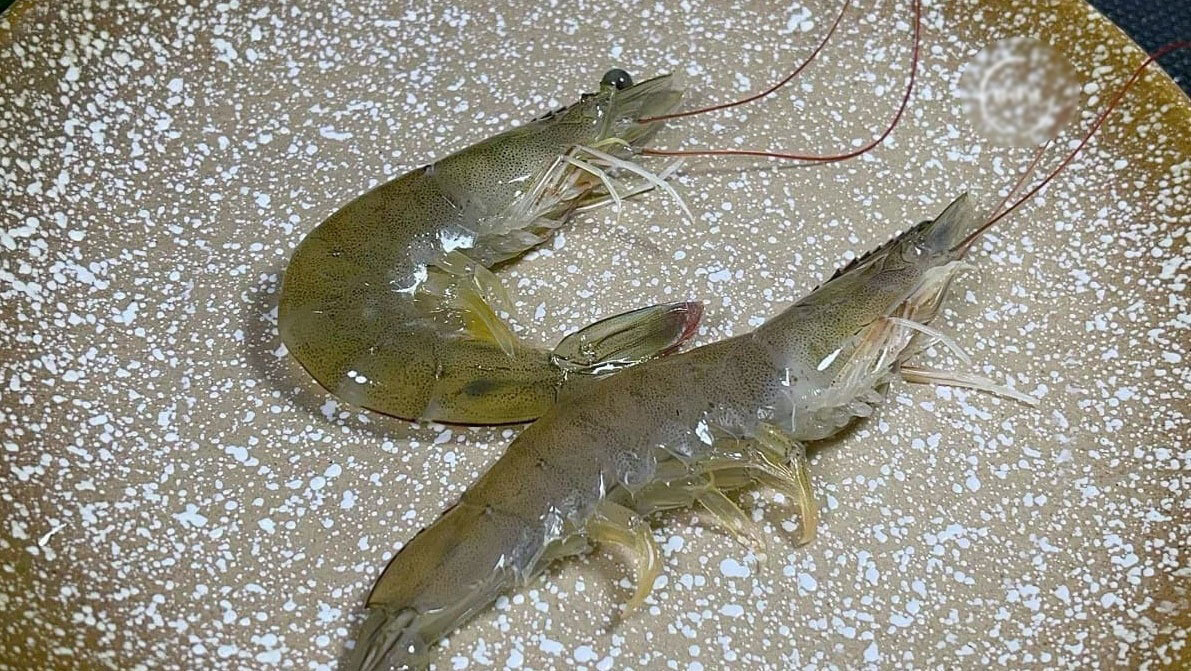
Naturally fresh shrimp tend to have a gently curved shape. This curve is caused by muscle contraction that occurs after the shrimp dies. When shrimp are harvested and handled properly, their muscles tighten naturally, resulting in a curved or slightly bent body. This is generally considered a positive sign, indicating that the shrimp has not been excessively processed or treated with chemicals. Curved shrimp often retain better texture, firmness, and a more natural flavor when cooked.
On the other hand, shrimp that appear unusually straight can raise questions about how they were processed. In some cases, straight shrimp may have been treated with chemicals such as phosphates to retain water and increase weight. These substances can relax the muscle fibers, preventing the natural curling process. While phosphate treatment is allowed in some regions within regulated limits, excessive use can negatively affect taste and texture, making the shrimp watery, soft, or bland after cooking.
Another reason shrimp may appear straight is prolonged freezing or improper storage. Shrimp that have been frozen for too long or thawed and refrozen multiple times can lose their natural muscle structure. This not only affects their shape but also their overall quality. Such shrimp may release a large amount of water during cooking and shrink significantly, disappointing consumers who expect firm, juicy seafood.
The difference between straight and curved shrimp also matters when it comes to cooking results. Curved shrimp tend to cook more evenly and maintain a pleasing texture. Their muscles tighten slightly when exposed to heat, creating a springy bite that many people associate with high-quality shrimp. Straight shrimp, especially those treated or poorly stored, may become mushy or rubbery, reducing enjoyment even in well-prepared dishes.
From a nutritional perspective, shrimp that are minimally processed and naturally curved are generally closer to their original state. They are more likely to retain essential nutrients such as protein, iodine, selenium, and vitamin B12. Overprocessed shrimp may lose some of these nutrients or contain higher sodium levels due to added chemicals, which may not be ideal for people monitoring their salt intake.
It is also important to consider transparency and labeling. Many consumers are unaware that some shrimp are treated to improve appearance or shelf life. Learning to observe physical signs such as shape, smell, and firmness empowers shoppers to make better choices. Curved shrimp with a mild, clean ocean scent and firm texture are usually a safer and higher-quality option.
However, it should be noted that not all straight shrimp are low quality, and not all curved shrimp are perfect. Factors such as species, size, and preparation method can also influence shape. Therefore, shape should be considered alongside other indicators like color, freshness, and source.
In conclusion, choosing between straight shrimp and curved shrimp is not just a cosmetic decision. The shape can reflect how the shrimp was handled, stored, and processed, with real consequences for taste, texture, and nutritional value. By paying closer attention to these subtle differences, consumers can make smarter choices and enjoy better-quality seafood—something that, surprisingly, few people truly know.