Silent Symptoms of Anemia You Should Never Ignore
Anemia is a condition in which your body doesn’t have enough healthy red blood cells to deliver adequate oxygen to your tissues. While some symptoms are obvious, many signs of anemia are subtle—easily mistaken for stress, fatigue, or a hectic lifestyle.
Left untreated, anemia can lead to serious health complications. Here are 12 silent but important symptoms you should never ignore:
1. Constant Fatigue
Even after a full night’s rest, you may feel chronically tired or drained. This happens because your body lacks oxygen-rich blood, forcing your muscles and brain to work harder with less fuel.
2. Pale or Yellowish Skin
Look closely at your face, inner eyelids, or fingernail beds. A pale or slightly yellow hue may indicate a lower red blood cell count—a hallmark sign of anemia.
3. Shortness of Breath
If climbing stairs or walking short distances leaves you breathless, it may be due to your body trying to compensate for oxygen deficiency by increasing your breathing rate.
4. Dizziness or Lightheadedness
Feeling dizzy when standing or moving too quickly can signal low oxygen flow to the brain. In more severe cases, anemia can even cause fainting.
5. Cold Hands and Feet
When oxygen is limited, your body diverts blood to vital organs, leading to reduced circulation in your extremities. This can make your hands and feet feel unusually cold.
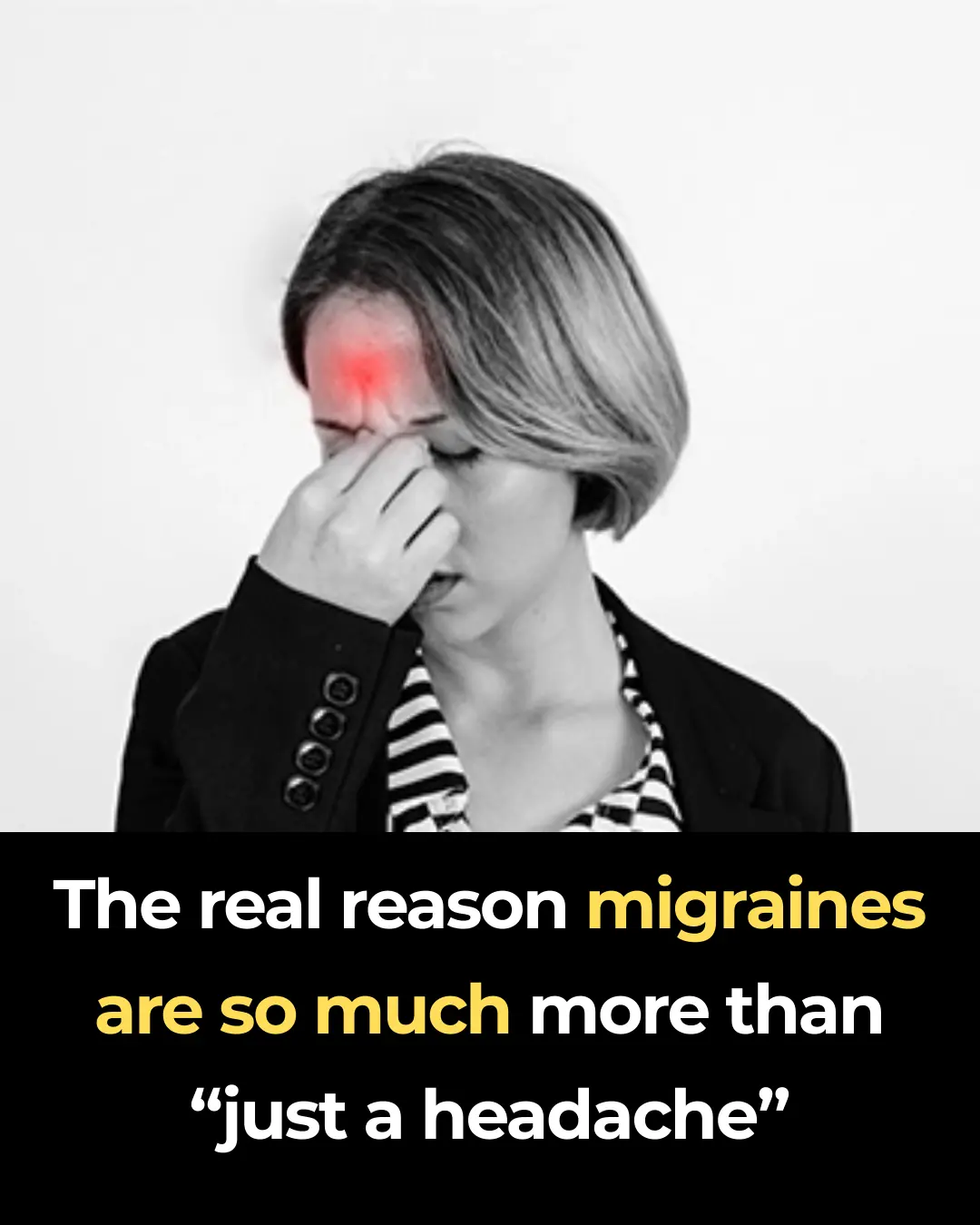
6. Frequent Headaches
A lack of oxygen in the bloodstream may trigger recurring headaches or migraines. Blood vessels in the brain may dilate to compensate, resulting in pain or pressure.
7. Heart Palpitations
Your heart may beat faster or irregularly in an attempt to deliver more oxygen to tissues. Persistent palpitations can be a red flag that your heart is under stress.
8. Chest Pain
In more severe or long-standing cases, anemia can lead to chest discomfort or angina, especially in those with preexisting heart conditions. This should never be ignored.
9. Brittle Nails or Hair Loss
Anemia may divert nutrients away from non-essential areas like hair and nails. The result? Weak, brittle nails or excessive hair shedding.
10. Strange Cravings (Pica)
If you find yourself craving non-food items like ice, dirt, clay, or starch, it may indicate iron deficiency anemia—a symptom known as pica.
11. Restless Legs Syndrome (RLS)
People with anemia, particularly iron deficiency, may experience tingling, crawling sensations in the legs, especially at night. This leads to an urge to constantly move your legs.
12. Poor Appetite
Especially in children, a lack of interest in food can be an early and often overlooked sign of anemia. Long-term, it may contribute to slowed growth and nutritional deficiencies.
When to See a Doctor
If you notice any of these symptoms—especially several at once—consult your doctor. Anemia may stem from:
- Iron, B12, or folate deficiency
- Chronic illness (e.g., kidney disease, cancer)
- Bone marrow disorders
- Heavy menstruation or internal bleeding
A simple blood test can identify low hemoglobin or iron levels.
Treatment and Prevention
Treatment depends on the type and cause of anemia. The most common form—iron deficiency anemia—is usually treated with:
- Iron-rich foods (e.g., red meat, spinach, lentils, beans, iron-fortified cereals)
- Iron supplements (as recommended by a doctor)
- Vitamin C (to enhance iron absorption—found in citrus fruits, tomatoes, and bell peppers)
Other forms may require vitamin B12 or folate supplements, medications, or even blood transfusions in severe cases.
Final Thoughts
Anemia often develops quietly and gradually, but its effects can disrupt your entire body. Paying attention to subtle signs like fatigue, pale skin, or cold feet may be the key to early detection and better health outcomes.
Don’t ignore your body’s silent alarms—early diagnosis and proper treatment can transform your energy, focus, and overall well-being.
You’ve just read, Silent Symptoms of Anemia You Should Never Ignore. Why not read Manager Had To Hire A New Employee.