No need for mosquito repellent, use this readily available household item to drive away mosquitoes, it's both cheap and safe.
Tips 12/12/2025 21:38
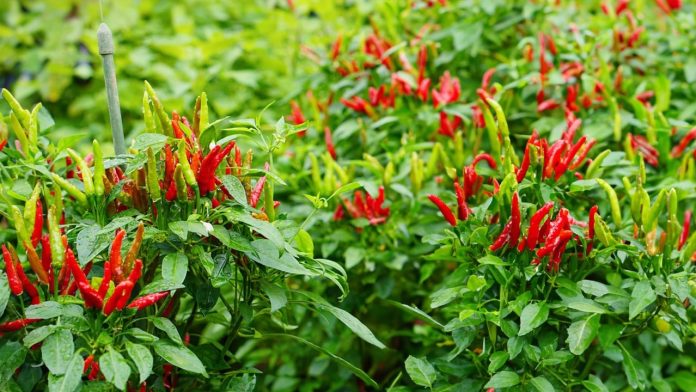
Chili peppers are very easy-to-grow plants. If you want your chili plants to produce more fruits, you can apply a few simple but effective tips.
Chili peppers belong to the nightshade family and originate from the Americas. Today, they are cultivated almost everywhere in the world and are widely used as a spice in countless dishes. There are many varieties of chili peppers, each with its own level of heat and flavor profile.
Aside from being a popular seasoning, chili peppers also offer several health benefits. They can help strengthen the immune system, support weight loss, stimulate appetite, and provide relief for colds and flu. In traditional remedies, chili is even used to warm the body and improve circulation.
Chili plants are generally hardy and grow well both in garden soil and in pots. You can plant them not only for cooking purposes but also as an ornamental plant, since their bright red fruits add a lively touch to your home garden.
If you want abundant harvests when growing chili peppers at home, take note of the following useful methods.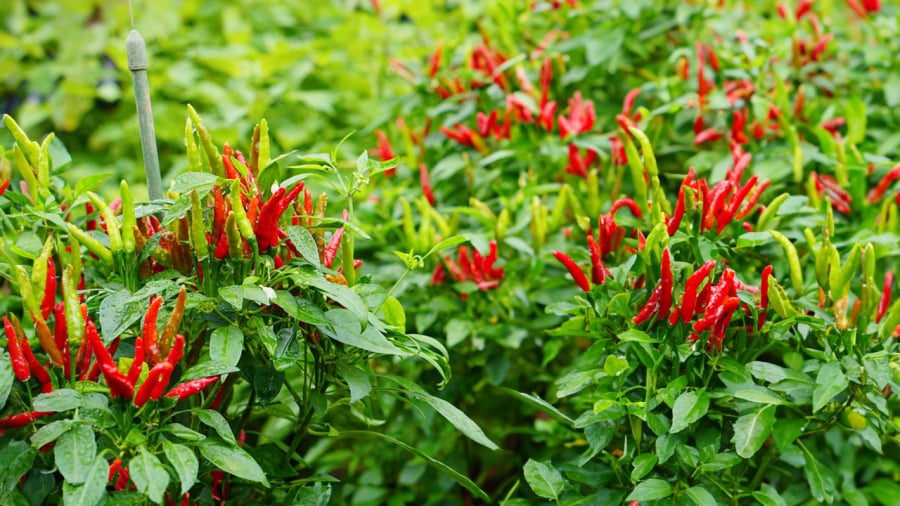
To ensure strong early growth, be sure to enrich the soil with base fertilizer before planting. When the soil is sufficiently nourished, chili plants develop faster and produce more flowers later on. Good base fertilizers include chicken manure, cow manure, compost, and wood ash.
Place the fertilizer at the bottom of the pot, cover it with soil, and then plant the seedlings on top. This helps create a nutrient-rich environment right from the beginning, allowing the roots to grow vigorously.
When the plants become sturdy and begin entering the flowering stage, you can apply additional fertilizer to boost fruit production. Household materials such as organic compost, rice-washing water, or crushed eggshells are excellent natural fertilizers. They help provide extra nutrients, making the plant healthier and more productive.
For best results, fertilize lightly but regularly. Over-fertilizing can harm the plant, so it’s better to maintain a balanced schedule.
To keep chili plants healthy, green, and productive, pay close attention to their growing conditions.
Soil: Chili plants prefer light, well-drained soil, especially sandy loam. Waterlogging can cause root rot, so good drainage is essential.
Temperature: The ideal temperature for germination and early growth is between 25°C and 30°C. Chili peppers are not drought-tolerant, so they need regular watering—but only in moderate amounts to avoid water stress.
Sunlight: These plants love sunlight. Place them in a location that receives plenty of natural light for optimal growth and fruiting.
Hand Pollination: To increase fruit set, you can gently hand-pollinate the flowers when they bloom, especially if you are growing them indoors or in areas with limited insect activity.
Pruning: When the plant reaches about 20–25 cm in height, prune excess branches to help it become more compact and stimulate fruit production.
Post-Harvest Care: After harvesting the ripe peppers, continue fertilizing and watering. Proper care will help the plant quickly produce the next batch of fruits.
Additionally, inspecting the plants frequently for pests such as aphids or whiteflies can prevent major damage. Using natural pest control methods like neem oil or garlic spray can keep the plant healthy without harming the environment.