
Tips 10/12/2025 23:49
The Genius Reason People Pour Baking Soda Down the Sink — And Why You Should Too
The Genius Reason People Pour Baking Soda Down the Sink — And Why You Should Too
In many homes, the kitchen sink is one of the busiest spots, handling everything from meal prep to dishwashing. Over time, this constant use can leave behind grease, food residue, stains, and unpleasant odors. While store-bought cleaners promise quick results, they often contain harsh chemicals that aren’t ideal for your plumbing or the environment. That’s why a growing number of homeowners are turning to a simple, affordable, and extremely effective solution: baking soda.
This common pantry staple does far more than help baked goods rise. When used correctly, baking soda can freshen, clean, and even help clear minor drain issues — all without damaging your pipes or filling your home with strong chemical fumes. Here’s why this easy cleaning hack has become such a trusted household go-to.

Why Baking Soda Works: The Science Explained
Baking soda, also known as sodium bicarbonate, is a gentle alkaline compound that dissolves dirt, grease, and grime when mixed with water. Its mild abrasive texture helps lift stains without scratching metal or porcelain surfaces. Even better, baking soda naturally neutralizes odors by reacting with acidic molecules — not just masking them.
When combined with vinegar or another acidic liquid, baking soda undergoes a bubbling chemical reaction that produces carbon dioxide gas. This fizzing action helps loosen debris inside drains, making it useful for addressing mild clogs or slow-moving water flow.
Top Benefits of Using Baking Soda to Maintain Your Sink
Using baking soda as part of your sink-cleaning routine offers several valuable advantages:
-
Non-toxic and eco-friendly — safe for your family and the environment.
-
Budget-friendly — often costs far less than commercial cleaning products.
-
Safe on most surfaces — including stainless steel, porcelain, and composite sinks.
-
Excellent deodorizer — eliminates bad smells instead of covering them up.
-
Gentle yet effective — strong enough to clean, gentle enough to protect plumbing.
This makes baking soda one of the most convenient and versatile cleaning agents in any home.
What You’ll Need for the Baking Soda Sink-Cleaning Method
To use this method effectively, gather the following items:
-
Baking soda
-
White vinegar
-
Hot water
-
A sponge or scrub brush
-
A microfiber cloth for drying
-
Optional: lemon juice or essential oils for extra freshness
Step-by-Step Guide: How to Clean Your Sink Using Baking Soda
-
Rinse the sink with hot water to wash away loose food particles.
-
Sprinkle baking soda generously across the sink’s surface.
-
Scrub with a sponge or brush, focusing on tough spots and stained areas.
-
Pour white vinegar over the baking soda. The mixture will fizz as it loosens grime and neutralizes odors.
-
Let it sit for 5–10 minutes so the cleaning action can work effectively.
-
Flush the sink thoroughly with hot water to rinse away residue.
-
Dry the sink with a microfiber cloth to prevent water spots and restore shine.
This simple routine leaves your sink fresh, clean, and odor-free without harsh chemicals.
Why This Method Works So Well
The magic lies in the combination of physical cleaning power and chemical reaction. Baking soda acts as a gentle abrasive to scrub away stains and buildup, while vinegar activates the fizzing reaction that dislodges stubborn particles inside the drain. Together, they help keep the sink clean, smelling fresh, and functioning properly — all while being safe for your plumbing system.
Extra Tips for Keeping Your Sink Clean and Fresh
-
Use the baking soda + vinegar method weekly for best results.
-
Avoid pouring cooking grease down the drain — it hardens and causes clogs.
-
Use a sink strainer to catch debris before it reaches the pipes.
-
Add a few drops of citrus essential oil to the baking soda for a fresh kitchen scent.
-
For stainless steel sinks, buff with a microfiber cloth afterward for a polished shine.
Common Mistakes to Avoid
-
Using too much vinegar — this can neutralize the baking soda too quickly.
-
Not letting the mixture sit long enough — give the reaction time to work.
-
Using baking soda on aluminum — it can discolor the surface.
-
Expecting this method to fix major clogs — severe blockages may require a plumber.
Conclusion: A Simple, Brilliant Hack for Homeowners
Baking soda is a surprisingly powerful tool for keeping your sink clean, fresh, and functioning smoothly. Its natural, non-toxic qualities make it a safe and eco-friendly alternative to harsher chemical cleaners. By incorporating this easy method into your weekly cleaning routine, you can enjoy a sparkling, odor-free sink without spending extra money or exposing your home to unnecessary chemicals.
A little baking soda truly goes a long way — proving that sometimes, the simplest solutions are the most effective.
News in the same category

When growing chili peppers, don't just water them with plain water; use this to ensure abundant yields and large, healthy peppers.
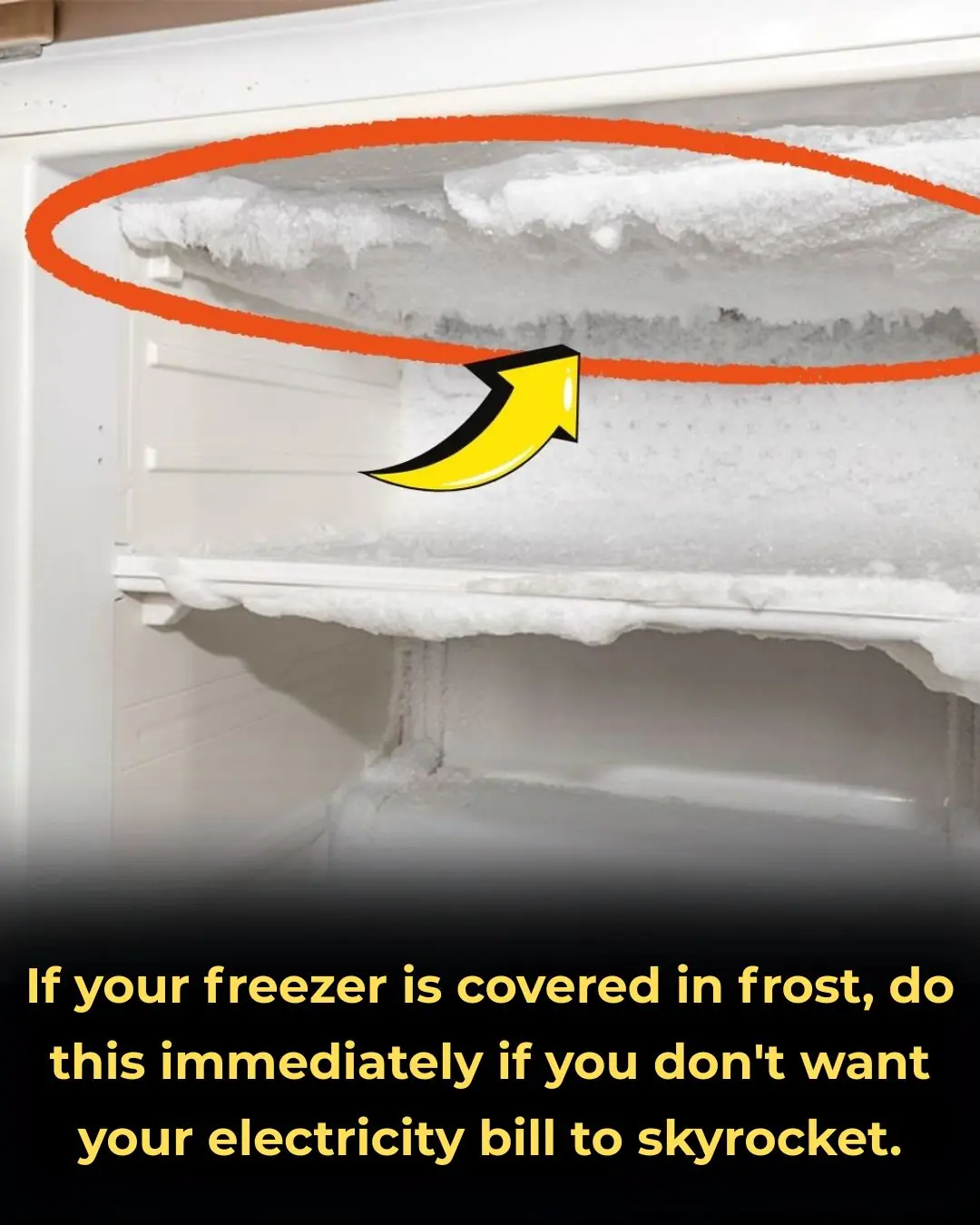
If your freezer is covered in frost, do this immediately if you don't want your electricity bill to skyrocket.

Drop an ice cube into the rice cooker: An amazing trick everyone wants to try.
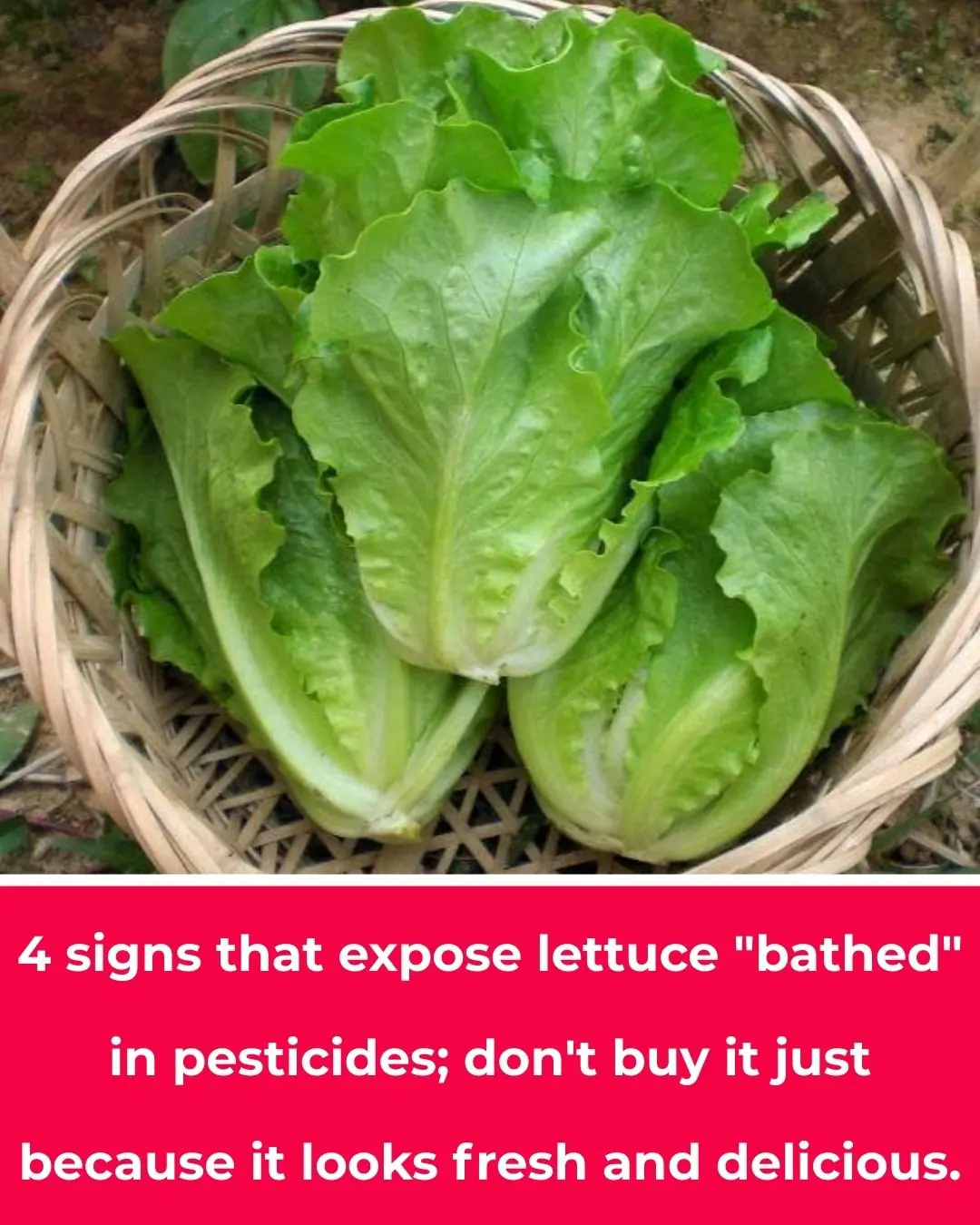
4 signs that expose lettuce "bathed" in pesticides; don't buy it just because it looks fresh and delicious.

Why Your Home Might Have an Elevated Platform — And What It Really Means
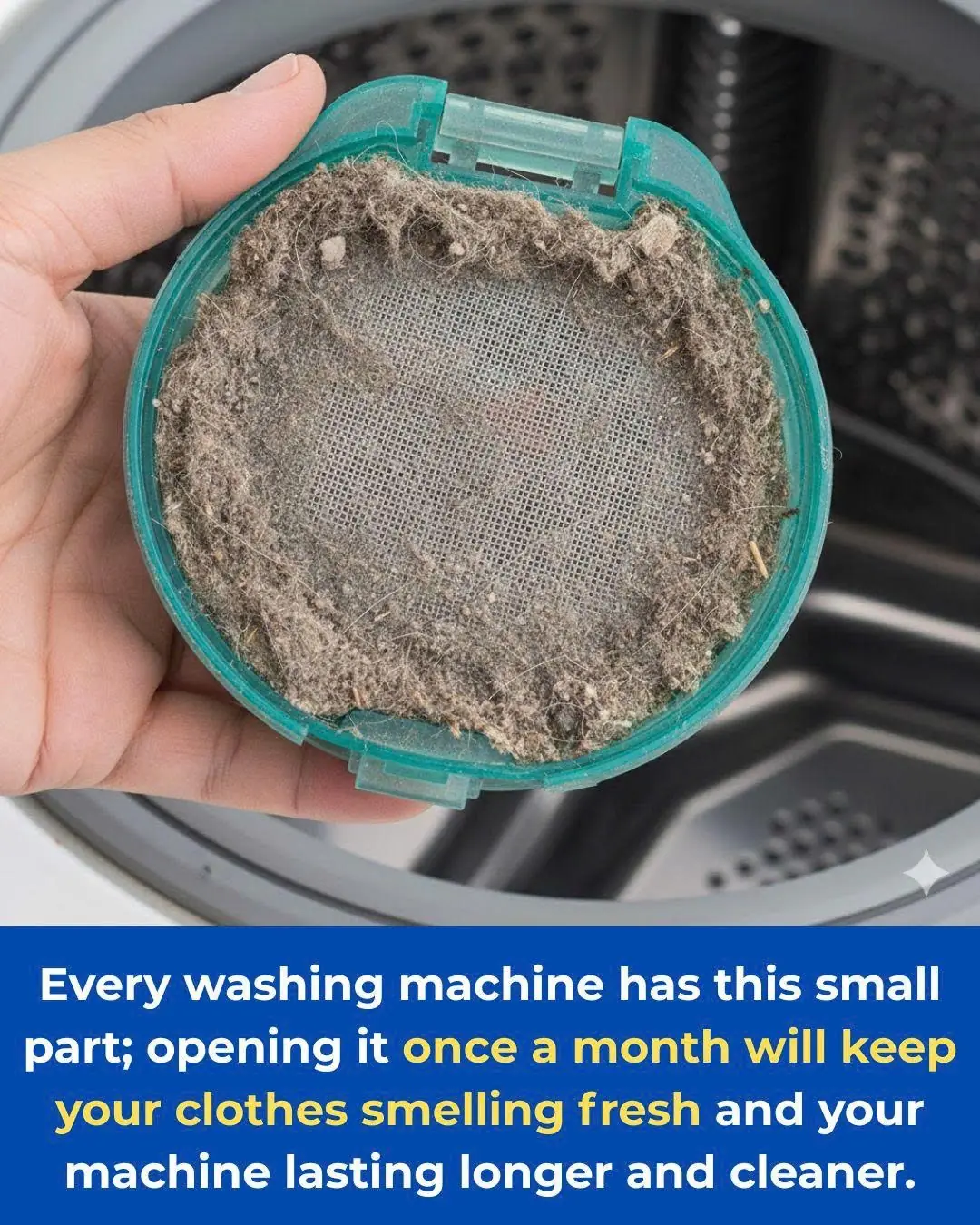
Every washing machine has this small part; opening it once a month will keep your clothes smelling fresh and your machine lasting longer and cleaner.

It turns out that rice weevils are most afraid of "it," so put a little in your bag of rice and you won't have to worry about weevils all year.
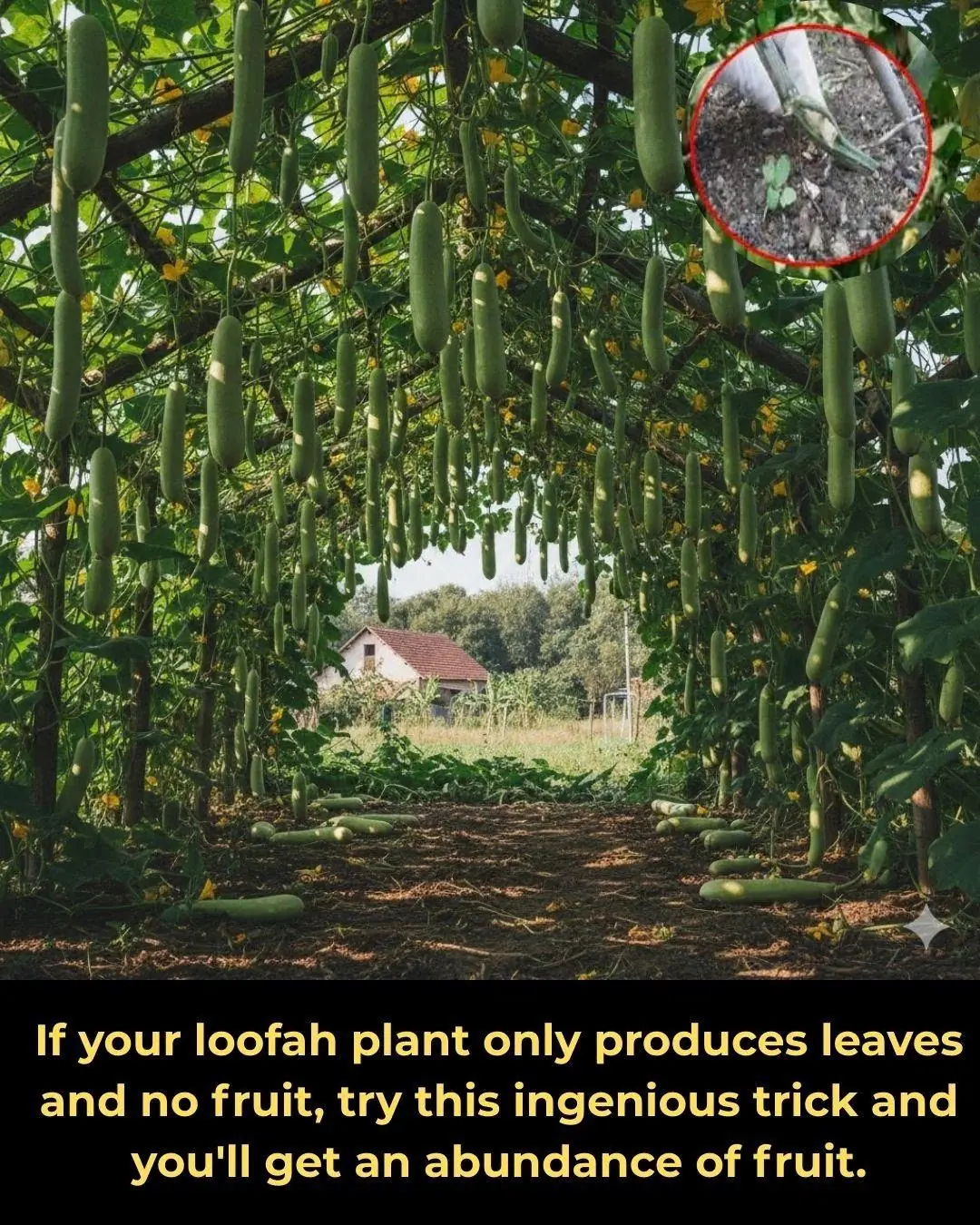
If your loofah plant only produces leaves and no fruit, try this ingenious trick and you'll get an abundance of fruit.

Toilet with yellow residue: Do this, no need to scrub, it will be clean
When eating grapefruit, remember not to throw away the peel: It has 4 great uses that everyone loves.
Severe drain clog? Don’t call a plumber yet—use this simple trick and the water will flow again

Ginger bought home will wilt and sprout after a few days, use this immediately and it will still be fresh and delicious for half a year!

How to grow watermelon from seeds at home, with the right technique to produce many fruits
4 simple cleaning tips for women, the house can be clean without a speck of dust for a week without cleaning
Add a drop of essential oil to clothes while soaking, it has surprising effects that no other detergent can have.

No need to simmer bones, cooking hot pot broth this way is quick, sweet, and clear.
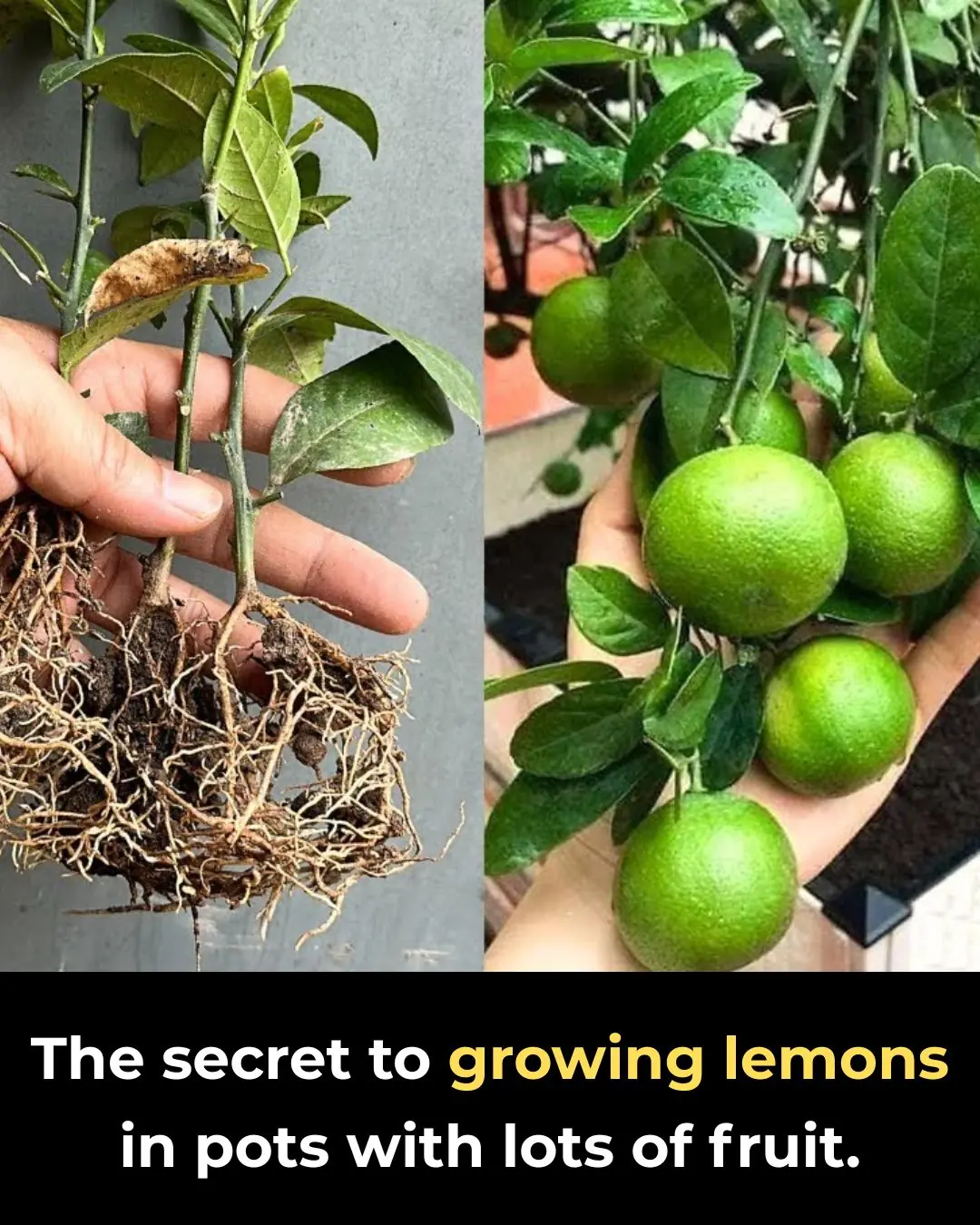
The secret to growing lemons in pots with lots of fruit.
To preserve garlic, just add this, it will last for 2 years without mold or sprouting.
News Post

8 Warning Signs of Ovarian Cancer Women Should Never Ignore
Health 12/12/2025 01:41

The Hidden Causes of Bloating — And the Fastest Way to Fix It Naturally
Health 12/12/2025 01:19

No Man Should Die From Prostate Cancer: The Natural Remedy Every Man Should Know
Health 12/12/2025 00:18

Jessica Cox: The World’s First Licensed Armless Pilot and Her Journey to Inspire the Impossible
Facts 12/12/2025 00:14

How Carmel, Indiana Transformed Its Streets with Roundabouts, Boosting Safety, Reducing Costs, and Cutting Emissions
Facts 12/12/2025 00:12

China Discovers the First Plant Capable of Forming Rare-Earth Minerals Inside Its Tissues
Facts 12/12/2025 00:10

James Webb Telescope Captures Stunning Einstein Ring, Unlocking Secrets of the Early Universe
Facts 12/12/2025 00:08

Groundbreaking Cell Therapy Offers New Hope for Spinal Cord Injury Recovery
Facts 12/12/2025 00:07

A Soldier’s Heartfelt Moment: A Birth Across Distance and Strangers’ Applause
Facts 12/12/2025 00:05

Japan's Groundbreaking Tsunami Wall Combines Engineering and Environmental Resilience
Facts 12/12/2025 00:00

Revolutionary Contact Lenses with Night Vision Unveiled by Japanese Researchers
Facts 11/12/2025 23:58

A Life-Changing Spinal Surgery Restores Health and Confidence
Facts 11/12/2025 23:57

The Lost Human Species: A Glimpse Into Our Shared Past
Facts 11/12/2025 23:55

The Swedish Oak Forest: A Symbol of Foresight and the Unpredictability of Progress
Facts 11/12/2025 23:52

Promising New mRNA Vaccine Shows Potential to Combat Pancreatic Cancer
Facts 11/12/2025 23:50

⚠️ Toxic If Improperly Prepared: The Hidden Risk of Cassava
Health 11/12/2025 23:49

How to Get Rid of Milia
Health 11/12/2025 23:47

His whole body was itchy, he thought it was an allergy but then he was diagnosed
Health 11/12/2025 23:24
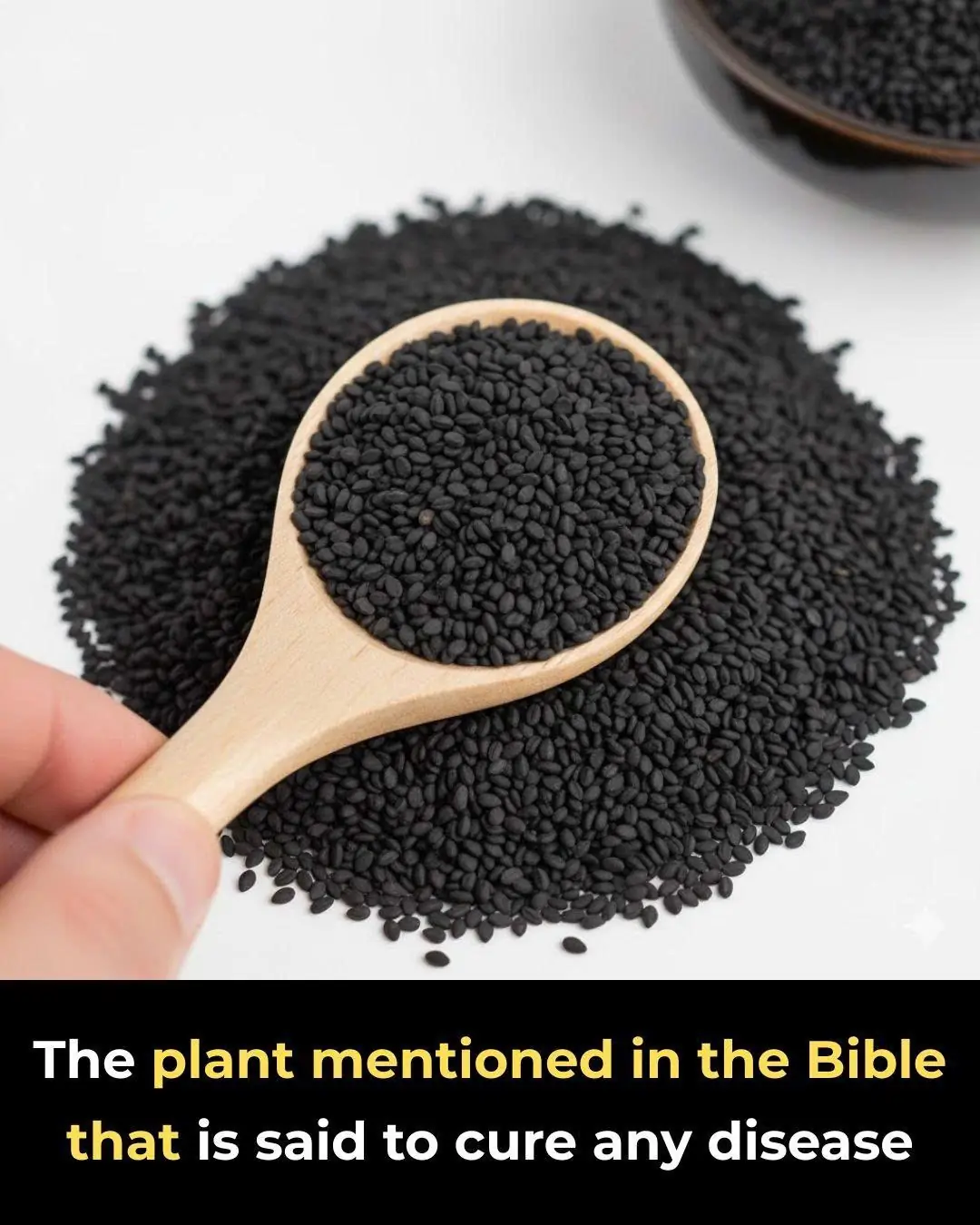
Plant in the Bible Said to Heal All Ailments
Facts 11/12/2025 23:21

Why Successful People Often Wear Rings on Their Right Hand
Facts 11/12/2025 22:33