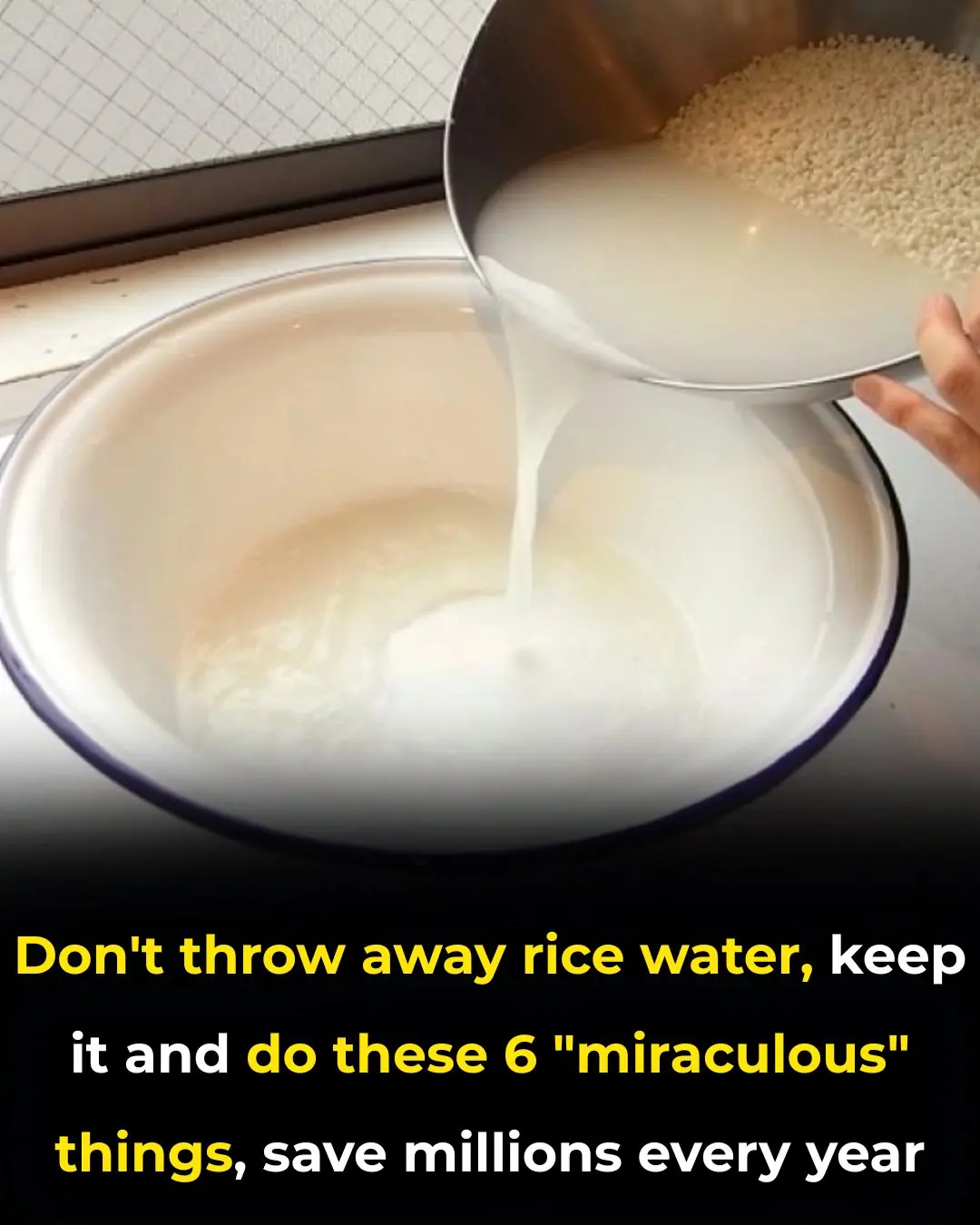
Don’t Throw Away Rice Water
Facts 13/12/2025 22:18
In a groundbreaking discovery, scientists in China have confirmed a remarkable phenomenon previously unknown to science. A common fern, Blechnum orientale, has been found to possess the extraordinary ability to extract rare-earth elements from the soil and convert them into a rare-earth mineral—monazite—inside its living tissues. This discovery marks an unprecedented breakthrough in both plant biology and the field of rare-earth mineral extraction.
Monazite, a mineral typically formed deep within the Earth over millions of years under intense heat and pressure, is known for its critical role in modern technology. It is rich in rare-earth elements such as lanthanum, cerium, neodymium, and yttrium, which are essential for manufacturing a wide range of advanced technologies, including electric vehicle (EV) motors, wind turbines, smartphones, lasers, and various electronic components. However, this fern has shown an entirely new method of mineralization, occurring at room temperature and inside the plant’s leaves—processes that would usually take millions of years and extreme conditions deep within the Earth.
The fern Blechnum orientale is classified as a rare-earth hyperaccumulator. This means it can absorb unusually high levels of rare-earth elements, including lanthanum, cerium, neodymium, and yttrium, from the surrounding soil. Rather than simply storing these elements, the plant goes a step further by transforming them into nanoscale monazite crystals inside its cellular structures. These minerals are generally formed through geological processes that require high heat and pressure, yet the fern accomplishes this feat at ambient temperatures, a previously unobserved phenomenon in the plant kingdom.
Notably, the monazite produced by this fern is non-radioactive and chemically clean. The plant selectively avoids absorbing uranium or thorium, elements often found in natural monazite deposits. This is a critical aspect of the discovery, as it makes the plant’s monazite safe for use and free from the toxic and radioactive risks associated with traditional mining methods. The breakthrough was made using advanced techniques such as electron microscopy and synchrotron X-ray analysis, with the results published in the journal Environmental Science & Technology.
Rare-earth elements are essential in modern technology, including in the construction of electric vehicle motors, wind turbines, smartphones, and other electronic devices. However, traditional methods of mining these valuable elements are costly, environmentally damaging, and often result in the production of radioactive waste. This discovery opens the door to alternative, more sustainable methods of extracting rare-earths, which could revolutionize industries that rely on these critical materials.
The potential applications of this discovery are numerous:
Cleaner, low-impact rare-earth recovery: By using plants to accumulate rare-earth elements, we could drastically reduce the environmental footprint of rare-earth mining.
Phytomining on contaminated or waste sites: This discovery could enable the use of plants to extract valuable metals from contaminated soils or abandoned mining sites, contributing to environmental cleanup efforts.
New insights into ecosystem dynamics: Understanding how rare-earth elements move through soil, water, and ecosystems could offer new ways of managing environmental health and mineral resources.
Future bio-engineered plants: Scientists could potentially engineer plants to more efficiently extract valuable metals, providing a sustainable and eco-friendly alternative to traditional mining practices.
While this discovery is revolutionary, it’s essential to clarify a few key points:
The plant does not create new elements; rather, it restructures rare-earth ions that are already present in the soil.
It does not produce large chunks of ore; the crystals formed by the plant are nanoscale in size.
The fern species itself, Blechnum orientale, is not new; what is novel is its ability to biomineralize rare-earths into a mineral form, which had never been observed before in any plant.
This discovery represents the first confirmed instance of a living plant naturally forming a known rare-earth mineral. Researchers believe this could fundamentally reshape how we think about rare-earth extraction, environmental restoration, and even the biology of metals. The ability to harness plants for rare-earth recovery offers a promising alternative to the current, environmentally damaging mining techniques, potentially paving the way for cleaner, more sustainable approaches to meeting the world’s growing demand for these vital materials.
This groundbreaking research opens a new chapter in both plant science and mineralogy, presenting a future where nature itself could play a key role in securing the rare-earth resources necessary for tomorrow’s technologies.