It Takes 1–2 Years for a Woman’s Body to Fully Recover After Pregnancy — Not Just 6 Weeks
Facts 13/12/2025 16:54
A simple 20-minute walk can lead to meaningful changes in the brain, improving mental clarity, emotional balance, and overall body function. Research in neuroscience, physiology, and exercise science consistently shows that even short periods of moderate physical activity, such as walking, can significantly enhance brain activity and cognitive performance.
In today’s modern lifestyle, many people spend long hours sitting. While sitting itself is not harmful in short bursts, prolonged sitting reduces blood circulation, including blood flow to the brain. This can negatively affect focus, reaction time, and mental energy.
When a person sits still for extended periods, blood flow to the brain remains relatively low. This limits the delivery of oxygen and essential nutrients while slowing the removal of metabolic waste products.
Brain imaging studies show that during prolonged sitting:
Neural stimulation decreases
Oxygen supply is reduced
Cognitive alertness declines
This state is often associated with:
Mental fatigue
Slower reaction times
Reduced concentration and creativity
In visual illustrations, this reduced brain activity is often represented by cooler colors such as blue and green, symbolizing lower levels of neural activation.
In contrast, walking for just 20 minutes produces immediate and measurable effects on the brain. As walking increases heart rate, it pumps more oxygen-rich blood to brain tissue, supporting faster neural communication and higher overall activity.
Studies using functional MRI (fMRI) and other neuroimaging tools have found that walking activates key brain regions, including:
The prefrontal cortex, responsible for focus, decision-making, and problem-solving
The hippocampus, which plays a critical role in learning and memory formation
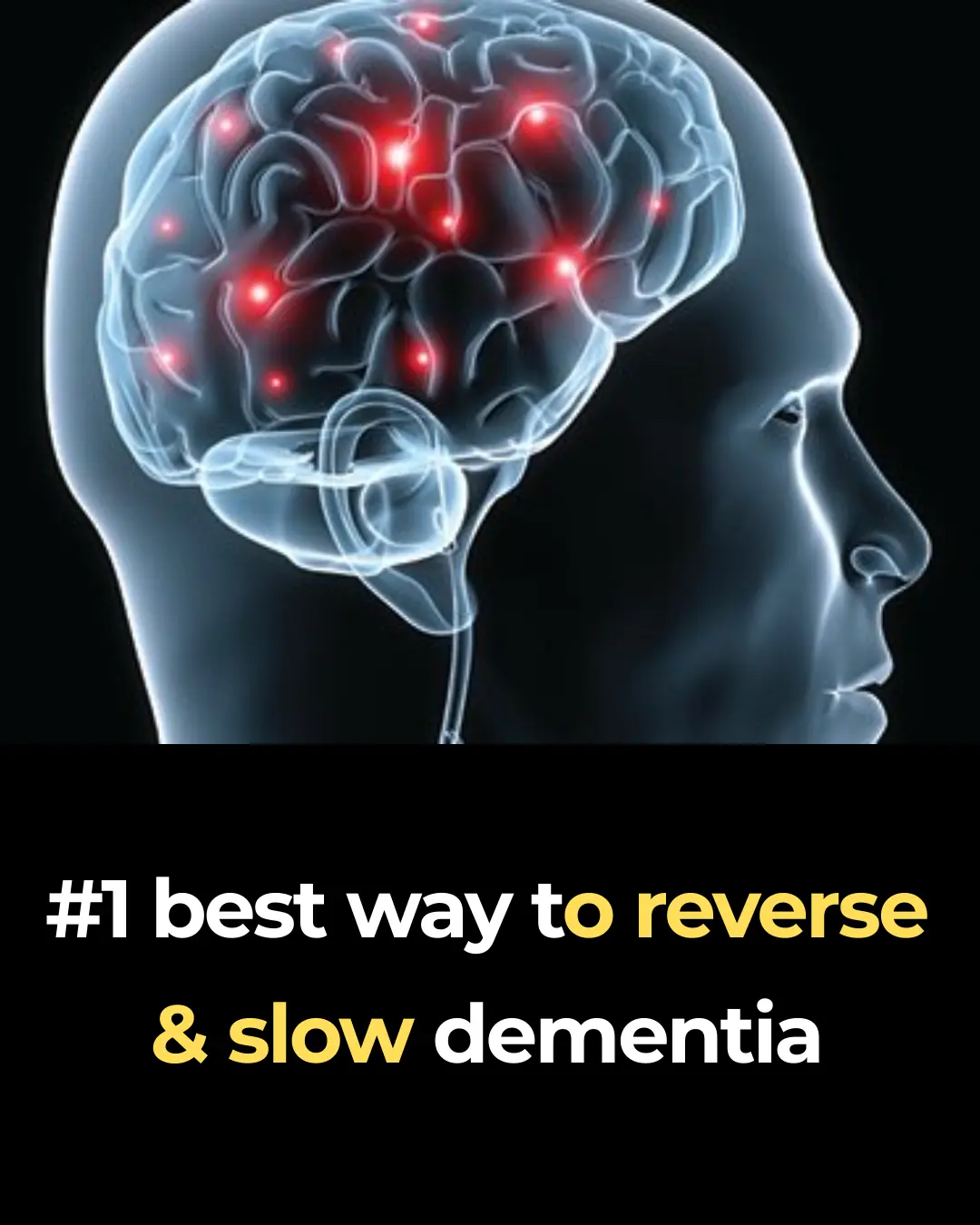
In scientific visualizations, these changes are often shown using warmer colors such as yellow, orange, and red, indicating heightened neural activity.
Walking also stimulates the release of important neurotransmitters, including:
Dopamine, which improves motivation and attention
Serotonin, which enhances mood and emotional stability
Norepinephrine, which helps the brain respond to stress and maintain alertness
This chemical response explains why many people report feeling mentally refreshed, calmer, and more focused after a short walk.
Another major benefit of walking is its effect on brain-derived neurotrophic factor (BDNF). BDNF is a protein that supports:
Neuron survival and growth
Synaptic plasticity
Cognitive resilience
Higher BDNF levels are associated with:
Better memory and learning
Reduced anxiety and depression
Lower risk of neurodegenerative diseases such as Alzheimer’s
Regular walking has also been shown to reduce inflammation in the brain, further supporting long-term neurological health.
The positive effects of walking extend beyond mental health. A 20-minute walk also:
Improves cardiovascular circulation
Enhances metabolic efficiency
Supplies muscles and joints with oxygen
Helps the body clear waste products more effectively
This whole-body improvement contributes to the feeling of increased energy and emotional uplift many people experience after walking.
A 20-minute walk can shift the brain from a relatively inactive state to one of enhanced neural activity, improved blood flow, increased neurotransmitter release, and stronger cognitive function. While visual illustrations may exaggerate the appearance of these changes, the underlying science is well-supported.
Walking is a simple, accessible, and highly effective habit that supports mental clarity, emotional balance, and long-term brain health.
Harvard Medical School – Exercise and Brain Health
National Institutes of Health (NIH) – Physical Activity and Cognitive Function
Frontiers in Psychology – Acute Exercise and Brain Activation
Journal of Physiology – Blood Flow and Neural Function
Alzheimer’s Association – Exercise and Brain-Derived Neurotrophic Factor