Foods to Eat When You’re Sick: Nutritional Support for Faster Recovery
Health 13/12/2025 19:48
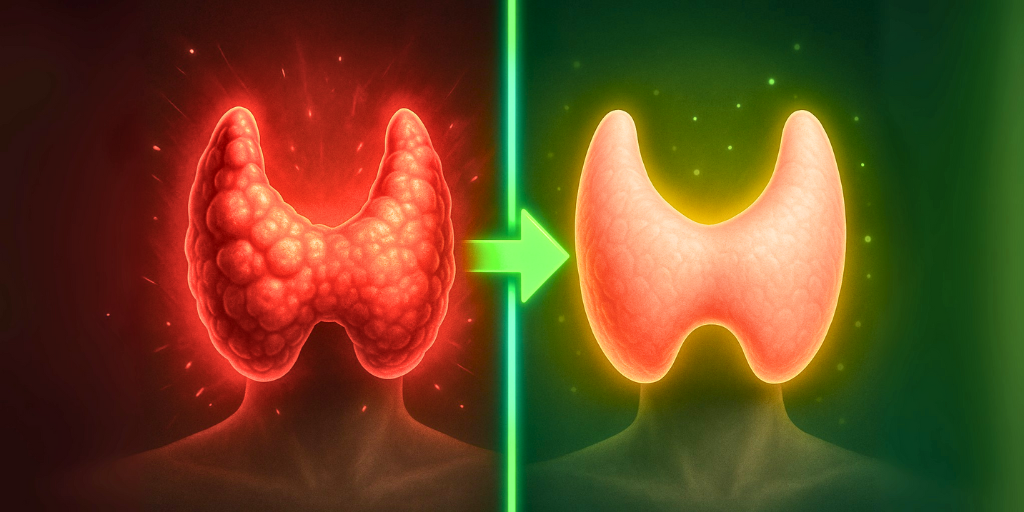
Thyroid issues are far more common than most people realize—and when the thyroid starts to struggle, a domino effect follows. Your metabolism slows, weight increases, blood sugar rises, and energy levels drop. Many of these problems, including thyroid nodules, can be traced back to two major factors: inflammation and deficiencies in essential minerals like iodine and selenium. When these nutrients are low, the thyroid may enlarge in an attempt to compensate, potentially leading to nodules, reduced hormone production, and, in more concerning cases, long-term dysfunction.
In this expanded guide—based on the expertise of Dr. Antonio Cota—you’ll learn how selenium and iodine support thyroid function, why inflammation matters so much, and the steps you can take to help restore thyroid balance naturally and proactively.
This mineral is critical for proper thyroid hormone metabolism. Adequate selenium levels can improve thyroid function and may even help shrink or reverse thyroid nodules.
Iodine is a building block of thyroid hormones. Without enough iodine, the thyroid enlarges (forming a goiter) and struggles to produce hormones effectively.
Chronic inflammation contributes to nodules, autoimmune reactions, and decreased hormone activity. Selenium plays a major role in reducing this inflammation.
Selenium and iodine support thyroid health, but they work even better when combined with lifestyle improvements like balanced nutrition, lowering cortisol, and improving insulin sensitivity.
Addressing thyroid issues early—before the gland becomes damaged—can prevent progression and reduce long-term complications.
Although small, the thyroid influences a wide range of critical functions:
Body temperature
Metabolism and weight
Sleep quality
Digestion
Heart rate
Blood sugar and insulin sensitivity
Energy and mood
When thyroid function drops (hypothyroidism), everything slows down. This article focuses on hypothyroidism and thyroid nodules, two conditions that often develop silently and are closely linked to nutrient deficiencies and inflammation.
To function properly, your thyroid must complete five key steps:
Hormone Synthesis: It must produce thyroid hormones (T3 and T4).
Hormone Release & Transport: These hormones must enter the bloodstream and travel to tissues.
Hormone Activation/Metabolism: T4 must be converted into active T3.
Regulation: Hormone levels must stay balanced—not too high, not too low.
Target Tissue Response: Organs and cells must be healthy enough to use the hormones effectively.
If any of these stages fail, thyroid symptoms can appear—sometimes even when blood tests look “normal.”
Iodine is an essential component of thyroid hormones themselves. Without it, the thyroid cannot produce adequate hormone levels, leading to:
Enlargement of the gland (goiter)
Fatigue
Weight gain
Reduced metabolism
Hair loss
While iodine deficiency has decreased due to iodized salt, it still occurs—especially in people avoiding salt, dairy, or seafood.
Even if your thyroid produces hormones, your body may not use them effectively without selenium. Selenium’s roles include:
Converting inactive T4 into active T3
Reducing inflammation in thyroid tissue
Lowering thyroid antibodies (especially in Hashimoto’s)
Protecting the thyroid from oxidative stress
Because the thyroid stores large amounts of selenium, low levels can impair nearly every step of thyroid hormone metabolism.
Some research even shows selenium supplementation can reduce inflammatory markers and improve mild-to-moderate thyroid dysfunction—even when hormone levels are borderline normal.
Seafood (fish, shellfish)
Eggs
Dairy (milk, yogurt, cheese)
Iodized salt
Garlic (exceptionally rich source)
Organ meats (like liver)
Seafood
Eggs
Dairy products
Selenium: ~200 mcg daily for 2–3 months
Iodine: ~300–400 mcg daily (short-term use is usually safe if deficiency is suspected)
⚠️ Important:
Avoid overusing iodine, as too much can also disrupt thyroid function.
Never use topical iodine antiseptics as a supplement.
Consult a healthcare professional before starting supplements, especially if you have an existing thyroid condition.
Thyroid nodules are often linked to chronic inflammation. A striking case shared by Dr. Cota involved a woman whose thyroid nodules disappeared after significantly increasing her garlic intake—boosting her natural selenium levels.
Although not every case responds this dramatically, the story highlights a key point:
Reducing inflammation can help prevent nodules from forming and may support their reduction.
Selenium is particularly effective because it:
Lowers inflammatory markers
Reduces thyroid antibodies
Supports tissue healing
For many individuals, consistent selenium intake (200 mcg/day) makes a noticeable difference in their symptoms and lab results over time.
This includes maintaining adequate iodine levels.
In cases of severe deficiency or clear hypothyroidism, temporary thyroid hormone medication might be considered.
Selenium supplementation helps your body activate and use thyroid hormones more efficiently.
Reducing inflammation—especially if thyroid antibodies are elevated—is crucial for long-term thyroid health. Selenium is one of the most effective natural nutrients for this purpose.
Because thyroid function interacts with insulin, cortisol, and nutrient status, improving sleep, managing stress, and balancing blood sugar all play supportive roles.
Regular monitoring can help detect issues before they progress.
Thyroid panel: TSH, Free T4, Free T3
Inflammation markers: CRP, ferritin
Thyroid antibodies: Anti-TPO, anti-thyroglobulin
Ultrasound: To check for nodules, inflammation, or structural changes
An ultrasound is especially valuable because it can detect changes long before symptoms fully develop.
It’s best to intervene early, especially when you see:
Rising inflammation markers
Subclinical hypothyroidism
Early signs of nodules
Mild but persistent symptoms (fatigue, weight gain, hair loss, cold intolerance)
Taking steps early can help preserve thyroid tissue, reduce progression, and may decrease the likelihood of needing long-term medication.
Your thyroid is deeply connected to your metabolism, energy, mood, and overall health. Selenium and iodine are two minerals that play powerful, complementary roles in supporting thyroid function—especially when inflammation or nodules are involved. By focusing on nutrient-rich foods, addressing metabolic stressors, monitoring your thyroid regularly, and acting early when problems begin, you can help protect and restore your thyroid health.
This information is for educational purposes only and not a substitute for professional medical advice. Always consult a qualified healthcare provider before making decisions about supplements, medications, or medical treatments.