How to Grow Rosemary Abundantly at Home: Your Aromatic, Memory-Supportive Garden Ally
Health 14/12/2025 00:07
The human body often sends subtle signals when something is out of balance. Many people experience unusual symptoms that seem minor or confusing, yet these signs may reflect underlying nutritional deficiencies, metabolic issues, or lifestyle factors. The infographic “12 Strange Body Symptoms – Explained” highlights several common but often misunderstood sensations. Scientific research supports the idea that these symptoms are not random, but rather meaningful indicators of physiological stress.
One common symptom is random twitching under the skin, which is frequently associated with low magnesium levels or dehydration. Magnesium plays a vital role in nerve transmission and muscle contraction. Deficiency can lead to neuromuscular excitability, resulting in muscle twitches or spasms. Studies show that a significant proportion of adults fail to meet daily magnesium requirements.
Scientific source: National Institutes of Health – Magnesium Fact Sheet (https://ods.od.nih.gov/factsheets/Magnesium-HealthProfessional/)
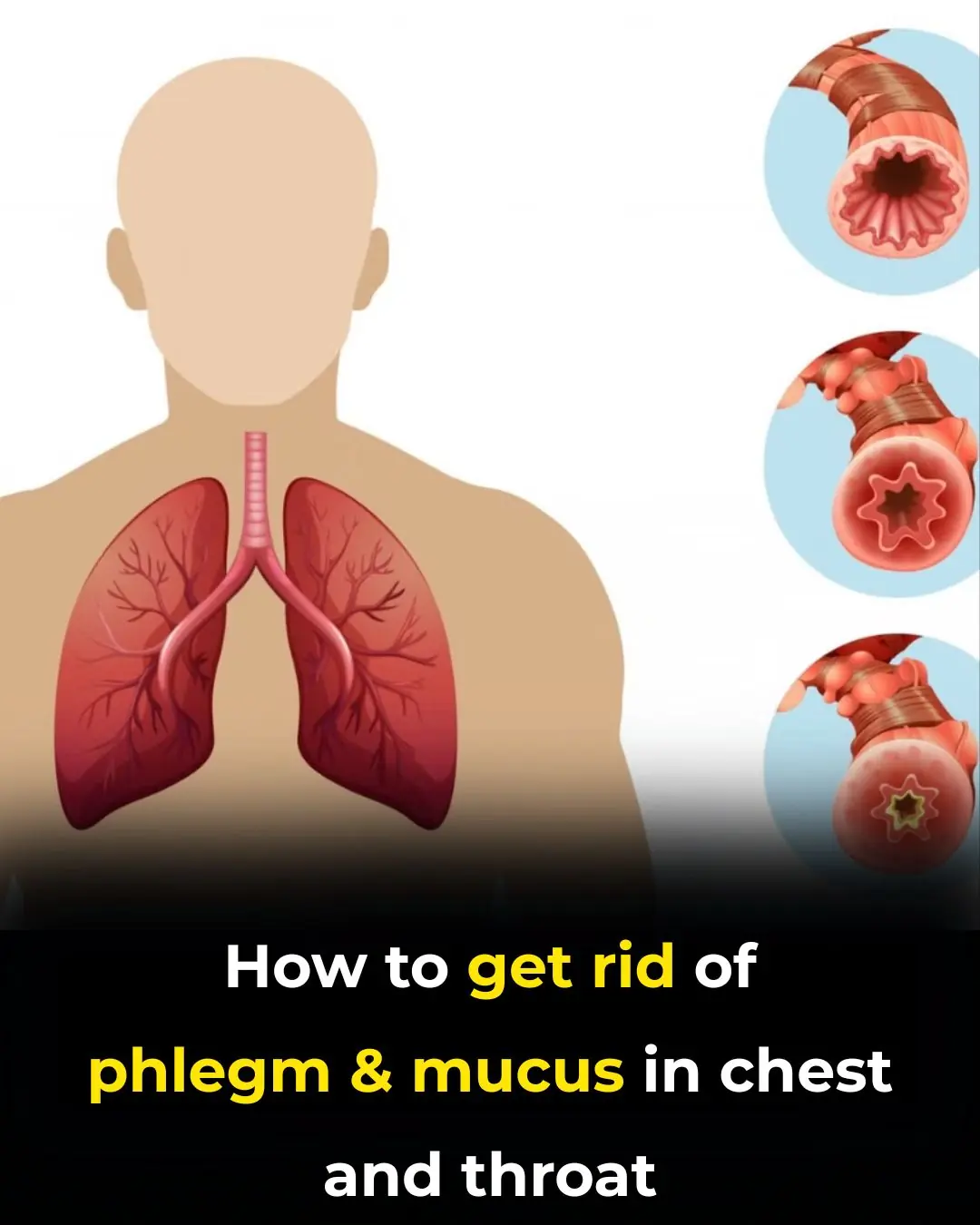
Another frequently reported issue is constant throat clearing, which is often linked to silent acid reflux (laryngopharyngeal reflux) or post-nasal drip rather than a primary throat disorder. Research in gastroenterology confirms that reflux can occur without classic heartburn symptoms, irritating the throat and vocal cords.
Scientific source: American Academy of Otolaryngology – Laryngopharyngeal Reflux (https://www.enthealth.org/conditions/laryngopharyngeal-reflux/)
Waking up around 3 a.m. every night may be related to blood sugar fluctuations or increased liver activity during overnight metabolic regulation. Studies suggest that nocturnal hypoglycemia can disrupt sleep patterns, particularly in individuals with insulin resistance or irregular eating habits.
Scientific source: Sleep Medicine Reviews – Blood glucose and sleep disturbances (https://pubmed.ncbi.nlm.nih.gov/25934015/)
Itchy skin without a visible rash can indicate mineral deficiencies, especially magnesium, or liver stress affecting bile salt regulation. Clinical literature notes that systemic conditions can manifest through generalized itching even in the absence of dermatological disease.
Scientific source: Clinical Reviews in Allergy & Immunology – Systemic causes of pruritus (https://pubmed.ncbi.nlm.nih.gov/24748274/)
Symptoms such as sudden sugar cravings after a full meal are often associated with rapid blood sugar spikes followed by crashes. This phenomenon is well documented in nutritional science and is linked to high-glycemic foods that disrupt insulin balance.
Scientific source: Harvard T.H. Chan School of Public Health – Glycemic Index and Health (https://www.hsph.harvard.edu/nutritionsource/carbohydrates/carbohydrates-and-blood-sugar/)
Random heart flutters or palpitations can be alarming but are frequently related to electrolyte imbalance, dehydration, caffeine intake, or stress. Magnesium and potassium deficiencies are known contributors to irregular heart rhythms in otherwise healthy individuals.
Scientific source: American Heart Association – Electrolytes and heart rhythm (https://www.heart.org/en/health-topics/arrhythmia/prevention--treatment-of-arrhythmia)
Feeling cold when others are comfortable may indicate low thyroid activity, iron deficiency, or poor circulation. Iron deficiency anemia, in particular, reduces oxygen delivery to tissues, resulting in cold sensitivity.
Scientific source: World Health Organization – Iron deficiency anaemia (https://www.who.int/news-room/fact-sheets/detail/anaemia)
Similarly, feeling out of breath easily can point to iron deficiency or weakened diaphragm function due to prolonged sitting and poor posture. Research shows that sedentary behavior negatively affects respiratory muscle efficiency.
Scientific source: European Respiratory Journal – Physical inactivity and respiratory function (https://pubmed.ncbi.nlm.nih.gov/30049738/)
Digestive symptoms such as loud stomach gurgling when not hungry are often normal, reflecting the migrating motor complex that cleans the gut every 90 minutes. However, excessive or painful sounds may suggest digestive imbalance or food intolerance.
Scientific source: Nature Reviews Gastroenterology & Hepatology – Gut motility (https://pubmed.ncbi.nlm.nih.gov/26656294/)
Brain fog after eating has been associated with inflammation, food sensitivities, or post-meal blood sugar instability. Research increasingly links cognitive clarity with metabolic and inflammatory responses.
Scientific source: Frontiers in Nutrition – Diet, inflammation, and cognition (https://www.frontiersin.org/articles/10.3389/fnut.2018.00044/full)
Neurological sensations such as pins and needles in the hands or feet are commonly caused by B-vitamin deficiencies, especially vitamin B12, or fluctuating blood glucose levels.
Scientific source: NIH – Vitamin B12 Fact Sheet (https://ods.od.nih.gov/factsheets/VitaminB12-HealthProfessional/)
Finally, sudden jaw tension or teeth clenching is strongly linked to stress and nervous system imbalance. Magnesium supplementation has been shown to support muscle relaxation and reduce stress-related muscular tension.
Scientific source: Nutrients – Magnesium and stress response (https://www.ncbi.nlm.nih.gov/pmc/articles/PMC5452159/)







![Reduce Foot And Ankle Swelling [Top 9 Causes]](https://onplusnewscom.8cache.com/onplusnewscom/images/2025/12/13/1765633594jVo6Fro3lO.webp)