Foods to Eat When You’re Sick: Nutritional Support for Faster Recovery
Health 13/12/2025 19:48
Respiratory failure is a life-threatening medical condition that occurs when the lungs cannot provide enough oxygen to the body or remove carbon dioxide effectively. It can develop suddenly or gradually, and without prompt treatment, it can quickly become fatal.
Understanding the causes and recognizing emergency signs early can save lives.

Respiratory failure happens when gas exchange in the lungs fails. This results in:
Low oxygen levels in the blood (hypoxemia)
High carbon dioxide levels (hypercapnia)
The body depends on balanced oxygen and carbon dioxide levels to maintain brain function, heart rhythm, and cellular health. When this balance is disrupted, organs begin to fail.
Low oxygen levels
Normal or low carbon dioxide
Common in lung diseases affecting oxygen exchange
High carbon dioxide levels
Often caused by inadequate ventilation
Frequently seen in chronic lung and neuromuscular conditions
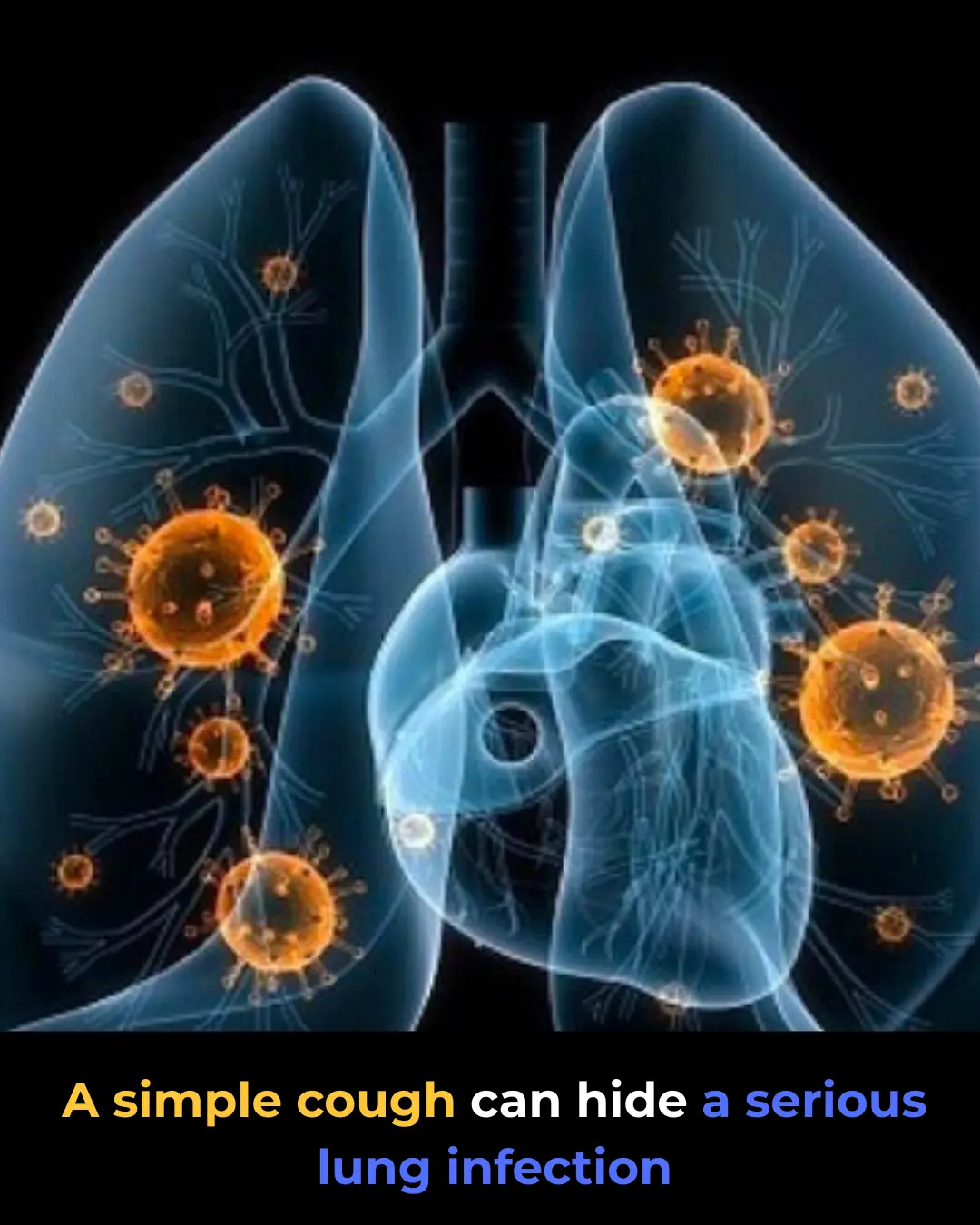
Conditions such as pneumonia or widespread viral infections can fill the air sacs with fluid or pus, preventing oxygen absorption.
Diseases like chronic obstructive pulmonary disease (COPD) or advanced asthma damage airways and reduce airflow.
ARDS causes widespread inflammation and fluid leakage in the lungs, often triggered by sepsis, trauma, or severe infections.
Conditions affecting nerves or muscles—such as stroke or spinal cord injury—can impair breathing mechanics.
Trauma to the chest can restrict lung expansion and disrupt normal breathing.
Sedatives, opioids, and alcohol can suppress the brain’s respiratory center, slowing or stopping breathing.
Early symptoms may be subtle and worsen rapidly:
Shortness of breath
Rapid breathing
Anxiety or restlessness
Bluish lips or fingertips
Fatigue
Confusion
These symptoms signal that oxygen levels are dropping or carbon dioxide is rising.
Seek immediate medical help if any of the following occur:
Severe difficulty breathing
Gasping or irregular breathing
Loss of consciousness
Extreme confusion
Chest pain
Gray or blue skin tone
Rapid heart rate with low oxygen levels
These are medical emergencies requiring urgent intervention.
Doctors may use:
Arterial blood gas tests
Pulse oximetry
Chest X-rays or CT scans
Lung function tests
Blood tests to identify underlying causes
Prompt diagnosis is essential for survival.
Supplemental oxygen helps raise blood oxygen levels.
Devices such as CPAP or BiPAP assist breathing without intubation.
In severe cases, a ventilator supports breathing through a tube placed in the airway.
Antibiotics for infections
Bronchodilators for airway disease
Steroids to reduce inflammation
Antidotes for drug overdose
Older adults
People with chronic lung or heart disease
Smokers
Individuals with weakened immune systems
Patients with obesity or sleep apnea
Manage chronic lung conditions
Avoid smoking and air pollutants
Get recommended vaccinations
Seek early care for respiratory infections
Use medications as prescribed
Recovery depends on the cause and how quickly treatment begins. Some people recover fully, while others may need long-term oxygen therapy or rehabilitation.
Respiratory failure is a medical emergency that requires immediate attention. Recognizing early symptoms and emergency signs can mean the difference between life and death. If breathing becomes difficult or unusual, never delay seeking medical care.