Foods to Eat When You’re Sick: Nutritional Support for Faster Recovery
Health 13/12/2025 19:48
Many people take supplements to support their health—yet a surprising number end up feeling worse: tired, weak, crampy, or dealing with strange heart palpitations. The reason may not be the supplement itself, but something much more subtle: the depletion of one of your body’s most essential minerals—potassium.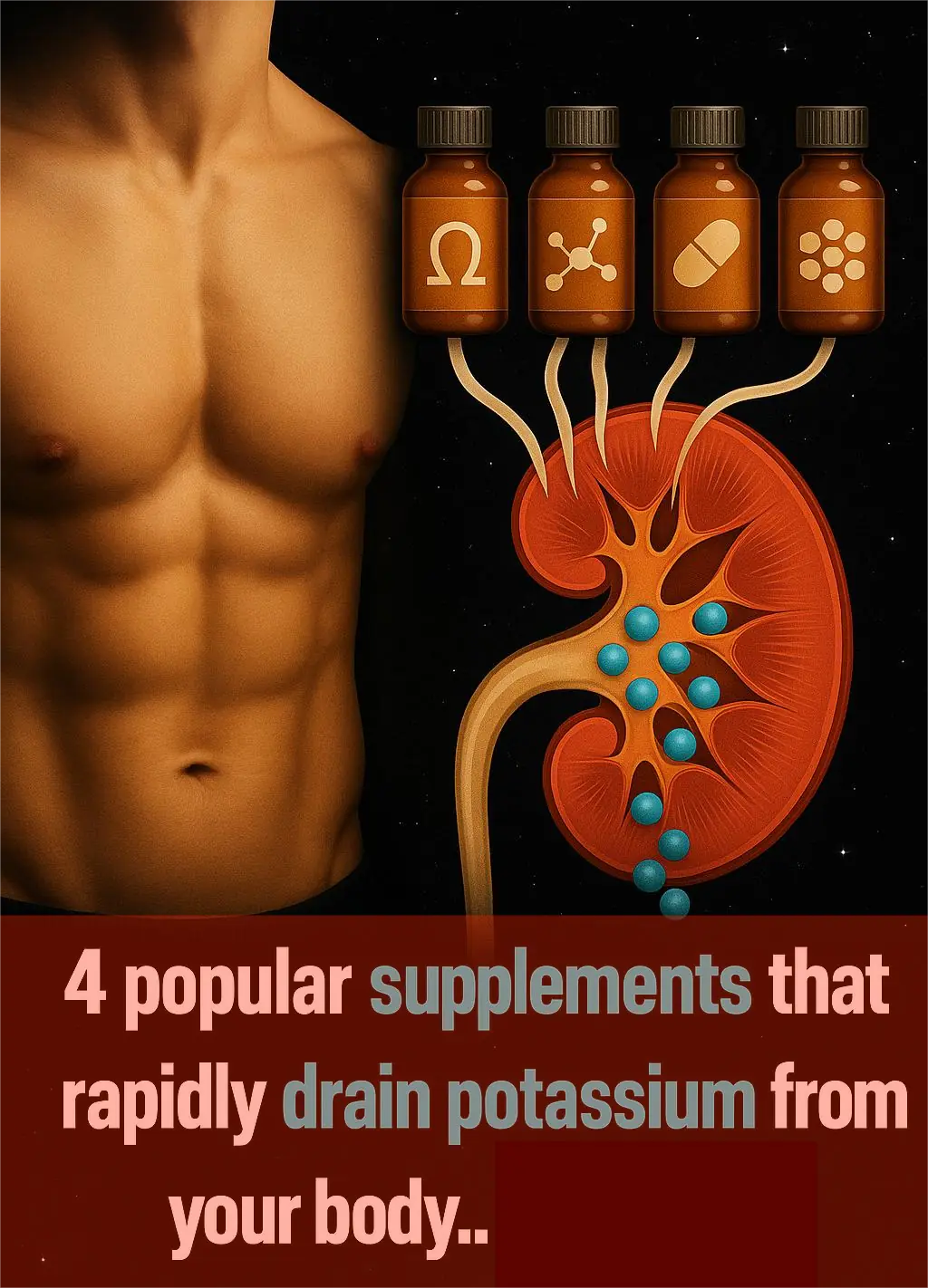
Most people don’t realize that they may already be mildly deficient in potassium. And because the symptoms—fatigue, muscle cramps, constipation, palpitations—are so common, they’re often blamed on dehydration, stress, or poor sleep. But several everyday supplements can quietly pull potassium levels even lower, triggering or worsening these symptoms.
This doesn’t mean these supplements are “bad.” It simply means that understanding how they interact with potassium is crucial for feeling your best.
Potassium is one of the major electrolytes your body relies on for:
Energy production
Healthy nerve conduction
Smooth muscle movement
Heart rhythm regulation
Fluid balance
Because modern diets tend to be low in potassium-rich foods like leafy greens, avocados, and beans, many people unknowingly start out at a disadvantage. Combine that with chronic stress or high supplement intake, and potassium depletion becomes even more likely.
In short: potassium is vital, deficiency is common, and some supplements can make it worse.
Below are the biggest hidden contributors to potassium loss—and why they matter.
Sodium and potassium work opposite each other through the sodium-potassium pump, one of the most important mechanisms in human cells.
Too much sodium—especially from:
Processed foods
Salt-heavy diets
Sodium-based electrolyte powders
—forces the body to push potassium out of cells and excrete it through urine.
Stress makes this even worse. The adrenal hormone aldosterone causes your body to retain sodium during fight-or-flight states—and excrete potassium. Chronic stress means chronic potassium loss.
If you supplement with sodium, you should intentionally increase potassium.
Calcium is healthy—but it competes with both magnesium and potassium.
High calcium intake, especially from supplements, can:
Overstimulate muscle cells
Reduce potassium’s effectiveness
Cause cramps or constipation
Disrupt electrolyte balance
Calcium lives mostly outside your cells, while potassium lives inside them. When calcium becomes too high, it crowds potassium out—leading to symptoms that feel like deficiency.
Without enough magnesium and potassium, calcium becomes a troublemaker.
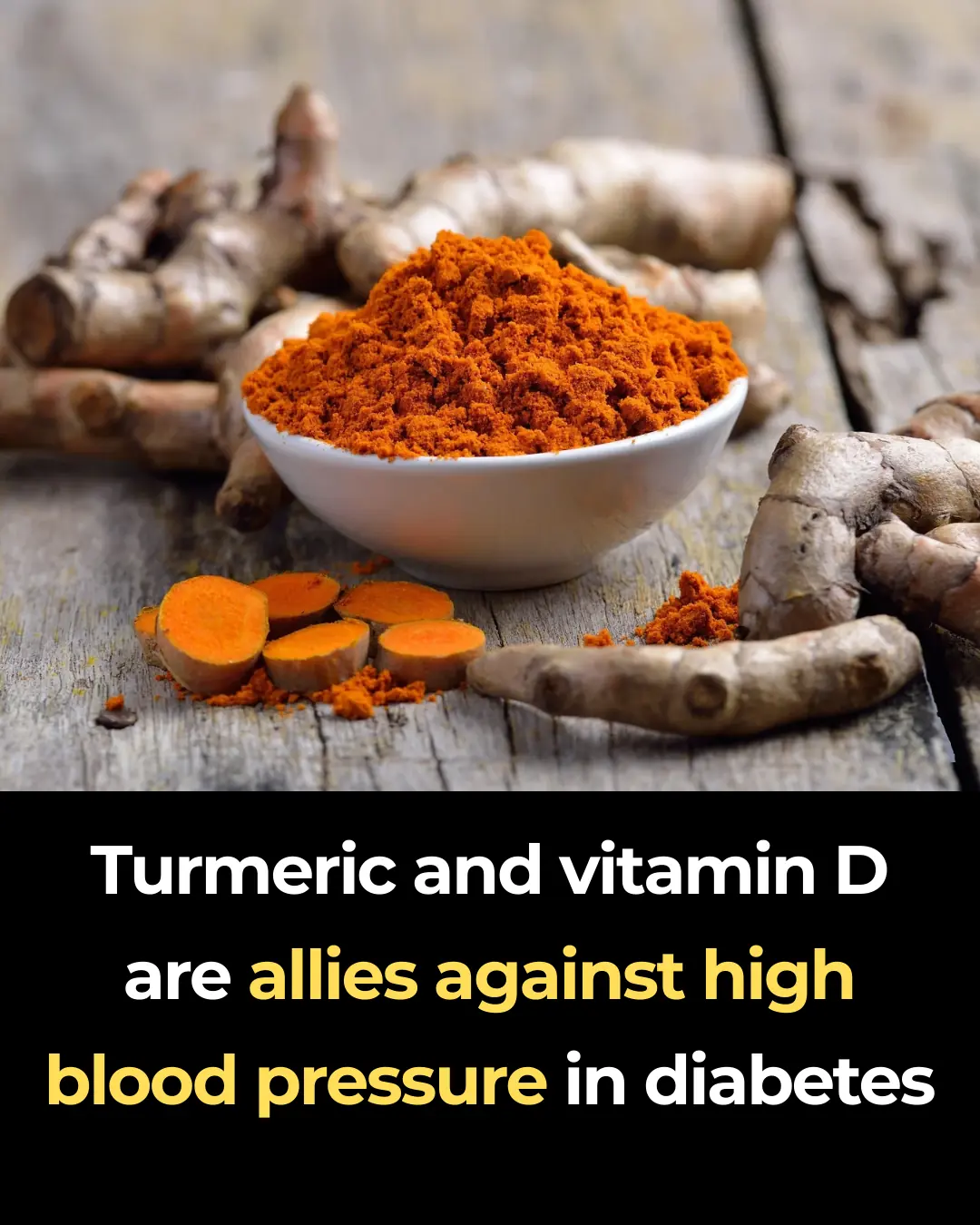
Vitamin D increases calcium absorption.
More calcium → less available magnesium and potassium.
Many people take high doses of vitamin D without realizing it can indirectly trigger:
Heart palpitations
Muscle twitching
Water retention
Weakness
Anxiety
If you’re taking 5,000 IU or more per day, you must ensure potassium and magnesium intake is adequate. Otherwise, the extra calcium vitamin D pulls into your bloodstream can destabilize your electrolytes.
This only applies when treating a true B12 deficiency.
When you start supplementing B12:
Your body suddenly produces lots of new red blood cells.
Those new cells rapidly absorb potassium.
Your serum potassium drops temporarily.
This is a normal, expected side effect of B12 therapy—but it often surprises people. Increasing potassium-rich foods during the first few weeks helps prevent symptoms like weakness or cramps.
Cause the body to flush out electrolytes, including potassium.
Very high in sodium → pushes potassium out → increases urination.
Anything that increases urine output also increases potassium loss.
This includes:
Coffee
Energy drinks
Hibiscus tea
Dandelion tea
OTC water pills
Prescription diuretics
Your kidneys remove potassium right along with excess water.
Increasing potassium intake is important, but retention matters just as much.
Here’s how to help your body hold onto potassium more effectively:
Your adrenal glands regulate electrolytes.
Chronic stress → chronically elevated aldosterone → chronic potassium loss.
People with adrenal fatigue almost always have low potassium—even if they consume enough.
Managing stress through:
Better sleep
Reduced stimulants
Relaxation techniques
Gentle exercise
…helps restore healthy potassium retention.
Magnesium is required to move potassium into your cells.
Low magnesium = potassium can’t enter cells = persistent deficiency even with supplementation.
Signs of low magnesium:
Cramps
Twitching
Restless legs
Anxiety
Insomnia
Heart palpitations
If potassium supplements “don’t work,” low magnesium is almost always the reason.
This isn’t about avoiding supplements—it’s about using them wisely.
Vitamin D, calcium, sodium electrolytes, and B12 all have real benefits. But they also influence potassium balance in surprising ways.
The key is balance.
To protect your health:
Prioritize potassium-rich foods (spinach, sweet potatoes, avocados, beans).
Ensure adequate magnesium intake.
Manage stress to support adrenal function.
Pay attention to symptoms like cramping, fatigue, and palpitations.
When your electrolytes are balanced, your supplements work better, your energy improves, and your body functions the way it’s meant to.