Foods to Eat When You’re Sick: Nutritional Support for Faster Recovery
Health 13/12/2025 19:48
Bronchiectasis is a chronic lung condition that often goes undiagnosed for years. Its symptoms are frequently mistaken for recurring infections, asthma, or “just a bad cough.” Over time, untreated bronchiectasis can lead to serious lung damage.
Recognizing overlooked symptoms early can help prevent complications and improve quality of life.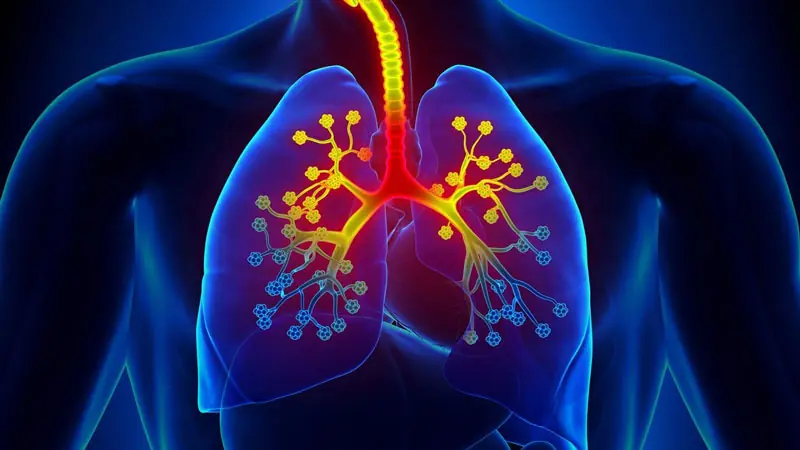
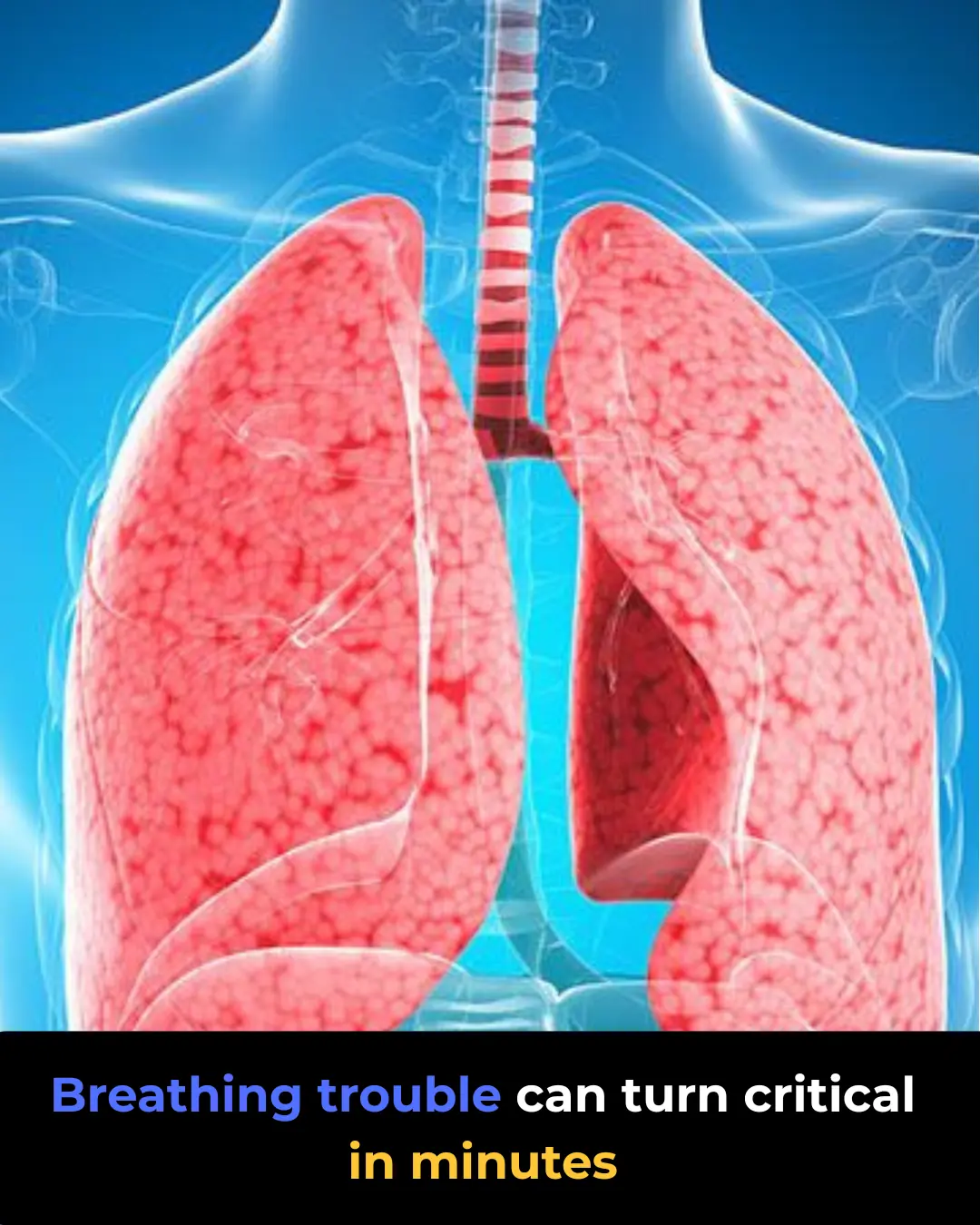
Bronchiectasis occurs when the bronchial tubes become permanently widened and damaged. This damage prevents normal clearance of mucus, allowing bacteria to grow and infections to recur.
Once the airways are damaged, the condition becomes chronic—but with proper management, symptoms can be controlled.
Symptoms develop gradually
Chronic cough is often ignored
Many patients are treated repeatedly for infections without further testing
It overlaps with asthma and COPD symptoms
As a result, diagnosis is often delayed for years.
A chronic cough producing mucus every day is a hallmark sign. Many people assume this is normal or related to smoking or allergies.
Mucus may appear yellow, green, or brown and often has a foul smell, indicating infection.
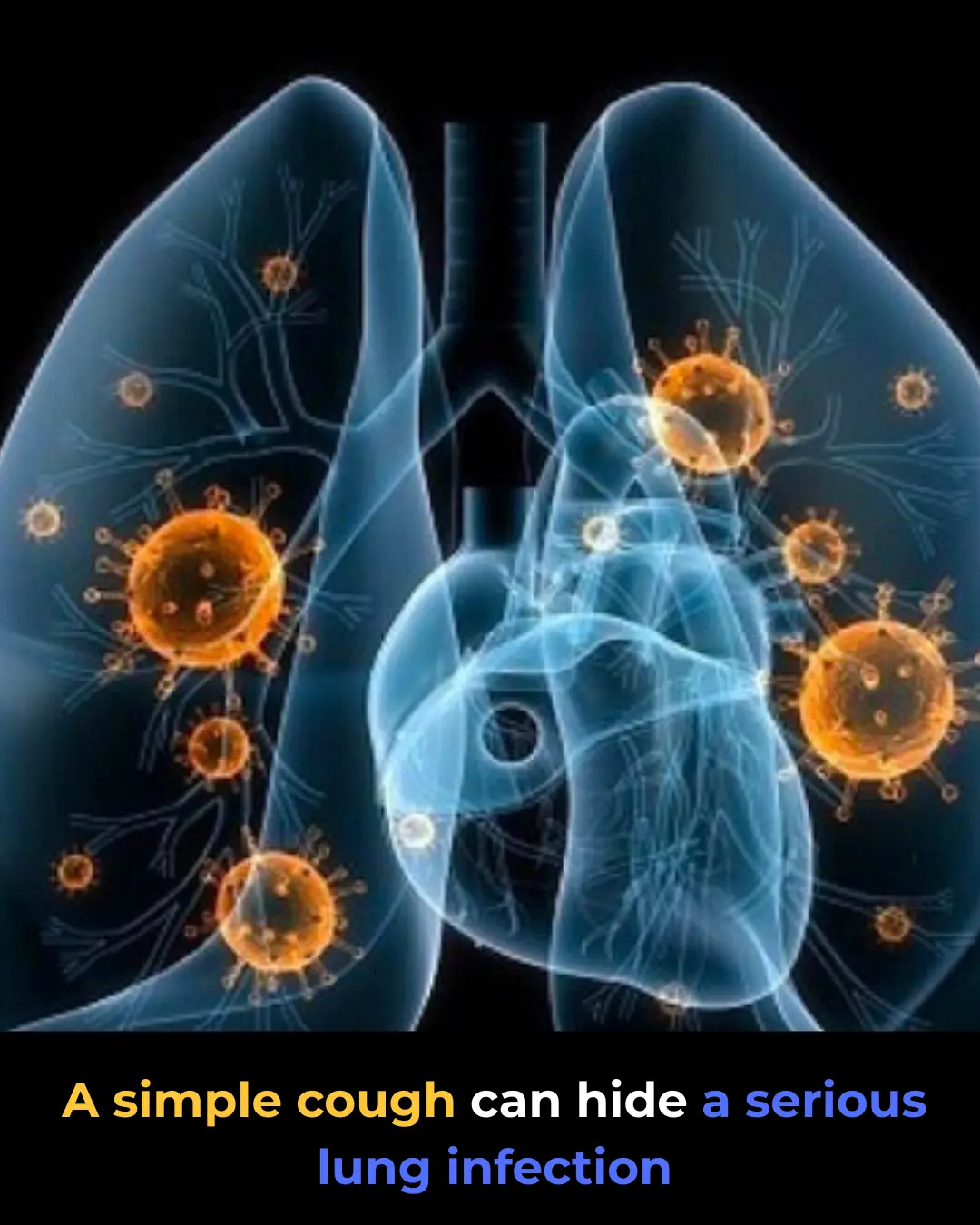
Repeated lung infections requiring antibiotics are a major warning sign.
Breathing difficulty may worsen during activity or infections and is often misattributed to aging.
Chronic inflammation and infection drain energy levels, leading to persistent tiredness.
Airflow obstruction can cause wheezing, especially during flare-ups.
Some patients experience discomfort due to inflammation or repeated coughing.
Even small amounts of blood in mucus should never be ignored.
Severe childhood infections
Recurrent pneumonia
Tuberculosis
Immune system disorders
Genetic conditions such as cystic fibrosis
Airway obstruction
Autoimmune diseases
In some cases, the cause remains unknown.
Diagnosis typically involves:
High-resolution CT scan of the chest
Lung function tests
Sputum cultures
Blood tests for immune disorders
CT imaging is the gold standard for confirmation.
Chest physiotherapy
Breathing exercises
Postural drainage
Antibiotics for infections
Bronchodilators
Mucus-thinning agents
Anti-inflammatory medications
Preventing infections is critical.
Exercise and education programs improve lung function and endurance.
Localized disease may be treated surgically if symptoms are severe.
Progressive lung damage
Respiratory failure
Frequent hospitalizations
Reduced quality of life
Early diagnosis helps prevent these outcomes.
With proper care, many people live active, productive lives. Daily airway clearance and infection prevention are key.
Seek evaluation if you have:
Chronic productive cough
Recurrent chest infections
Unexplained fatigue
Shortness of breath that worsens over time
Bronchiectasis is often overlooked but should never be ignored. Recognizing early symptoms and receiving proper treatment can slow disease progression and protect long-term lung health. Persistent cough and recurrent infections deserve thorough evaluation—not dismissal.