Foods to Eat When You’re Sick: Nutritional Support for Faster Recovery
Health 13/12/2025 19:48
Obsessive-Compulsive Disorder (OCD) is one of the most misunderstood mental health conditions. Many people casually describe themselves as “a little OCD” because they like things neat or organized. In reality, OCD is far more complex, distressing, and disruptive than simple habits or preferences.
Millions of people live with OCD silently, often for years, because the signs are subtle, misunderstood, or mistaken for personality traits. Recognizing these signs early can make a life-changing difference.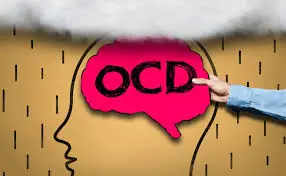
Obsessive-Compulsive Disorder is a chronic mental health condition characterized by two key components:
Obsessions: intrusive, unwanted thoughts, images, or urges that cause intense anxiety
Compulsions: repetitive behaviors or mental acts performed to reduce that anxiety
The cycle of obsessions and compulsions can consume hours each day and significantly interfere with work, relationships, and daily functioning.
One of the most misunderstood aspects of OCD is intrusive thoughts. These thoughts are unwanted and often disturbing.
Examples include:
Fear of harming loved ones
Unwanted sexual or violent images
Blasphemous or morally distressing thoughts
People with OCD do not want these thoughts and feel deep shame or fear because of them.
Not all compulsions are physical behaviors like handwashing.
Mental compulsions may include:
Repeating words or prayers silently
Mentally reviewing past actions
Constant reassurance-seeking in one’s mind
Because these actions are internal, OCD often goes unnoticed.
People with OCD struggle with uncertainty.
Common doubts include:
“What if I didn’t lock the door properly?”
“What if I contaminated something?”
“What if I hurt someone without realizing it?”
This doubt fuels repetitive checking and reassurance behaviors.
OCD-related perfectionism is not about high standards—it’s about fear.
Tasks may be repeated endlessly because:
Things don’t feel “just right”
A mistake feels catastrophic
Incomplete tasks cause extreme distress
Many people with OCD avoid situations that trigger obsessive thoughts.
Examples:
Avoiding knives due to harm-related fears
Avoiding public places due to contamination concerns
Avoiding relationships due to intrusive thoughts
Avoidance can shrink a person’s life over time.
People with OCD often feel intense guilt for having thoughts they believe reflect who they are.
This leads to:
Hiding symptoms
Delayed diagnosis
Increased isolation
There is no single cause, but contributing factors include:
Genetic vulnerability
Brain chemistry imbalances (especially serotonin)
Overactivity in certain brain circuits
Stressful or traumatic life events
OCD is not caused by personality weakness or poor parenting.
Diagnosis is made through:
Clinical interviews
Symptom history
Standardized assessment tools
There is no blood test or scan that diagnoses OCD, but brain imaging supports its neurological basis.
Specifically, Exposure and Response Prevention (ERP) is the gold standard.
ERP helps patients:
Face fears gradually
Resist compulsive behaviors
Tolerate uncertainty
Selective serotonin reuptake inhibitors (SSRIs) are commonly used and effective for many patients.
For moderate to severe OCD, therapy and medication together often produce the best outcomes.
If obsessive thoughts or compulsions:
Consume more than 1 hour per day
Cause significant distress
Interfere with work, school, or relationships
professional help is strongly recommended.
OCD is not about being neat, organized, or quirky. It is a serious, treatable mental health condition rooted in anxiety and brain function. With proper treatment and understanding, people with OCD can regain control and live fulfilling lives.