Foods to Eat When You’re Sick: Nutritional Support for Faster Recovery
Health 13/12/2025 19:48
Nerve damage, also known as neuropathy, occurs when the nerves that transmit signals between the brain, spinal cord, and the rest of the body are injured or impaired. These nerves control movement, sensation, and essential bodily functions. When they are damaged, even simple daily activities can become difficult or painful.
Understanding the causes, early signs, and recovery strategies for nerve damage can help prevent long-term complications and improve quality of life.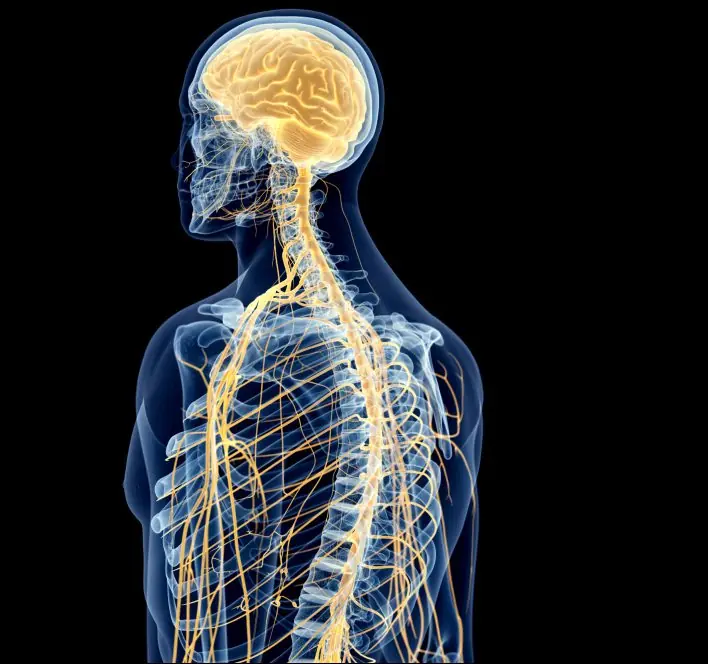
The nervous system is made up of three main types of nerves:
Sensory nerves – transmit sensations such as pain, temperature, and touch
Motor nerves – control muscle movement
Autonomic nerves – regulate involuntary functions like heart rate, digestion, and blood pressure
Damage to any of these nerves can cause symptoms ranging from mild tingling to severe pain or loss of function.
Symptoms vary depending on which nerves are affected, but common signs include:
Tingling or “pins and needles” sensations
Numbness, especially in hands or feet
Burning or sharp pain
Muscle weakness or paralysis
Sensitivity to touch
Loss of coordination or balance
Changes in sweating, digestion, or blood pressure
Symptoms often begin gradually and worsen over time if the underlying cause is not treated.
Diabetic neuropathy is the most common cause of nerve damage worldwide. High blood sugar damages nerve fibers, particularly in the legs and feet.
Accidents, falls, sports injuries, or surgery can compress, stretch, or sever nerves. Carpal tunnel syndrome is a common example of compression-related nerve damage.
Deficiencies in B vitamins—especially B1, B6, and B12—can impair nerve function and lead to numbness or weakness.
Certain infections, such as shingles, Lyme disease, HIV, and hepatitis C, can damage nerves directly or trigger inflammation.
Conditions like lupus, rheumatoid arthritis, and Guillain-Barré syndrome cause the immune system to attack nerve tissue.
Exposure to heavy metals, alcohol abuse, and some chemotherapy drugs can be toxic to nerves.
Prolonged poor posture, repetitive movements, or obesity can compress nerves and reduce blood flow.
Doctors may use several methods to diagnose nerve damage, including:
Physical and neurological exams
Blood tests to check for diabetes, infections, or deficiencies
Nerve conduction studies
Electromyography (EMG)
Imaging tests such as MRI or CT scans
Early diagnosis improves the chances of recovery.
The ability to recover depends on the cause and severity of the damage. Mild nerve injuries may heal within weeks or months, while severe damage may be permanent.
Peripheral nerves have some ability to regenerate, especially if the underlying cause is addressed early.
Managing blood sugar, correcting vitamin deficiencies, stopping alcohol use, or treating infections is essential for recovery.
Doctors may recommend medications such as:
Anti-seizure drugs
Antidepressants
Topical creams
Non-opioid pain relievers
Targeted exercises help maintain muscle strength, improve coordination, and prevent stiffness.
Helps patients adapt daily activities and use assistive devices safely.
A balanced diet rich in:
B vitamins
Omega-3 fatty acids
Antioxidants
may support nerve repair.
Regular exercise
Good posture
Adequate sleep
Stress reduction
all support nervous system health.
Protect numb areas from injury, wear proper footwear, and avoid repetitive strain.
Seek medical attention if you experience:
Sudden numbness or weakness
Severe or worsening pain
Loss of bladder or bowel control
Symptoms spreading rapidly
Early treatment can prevent permanent damage.
Nerve damage can be frightening, but many cases improve with proper care and lifestyle changes. Identifying the cause, acting early, and supporting nerve health through nutrition and therapy are key steps toward recovery.