Foods to Eat When You’re Sick: Nutritional Support for Faster Recovery
Health 13/12/2025 19:48
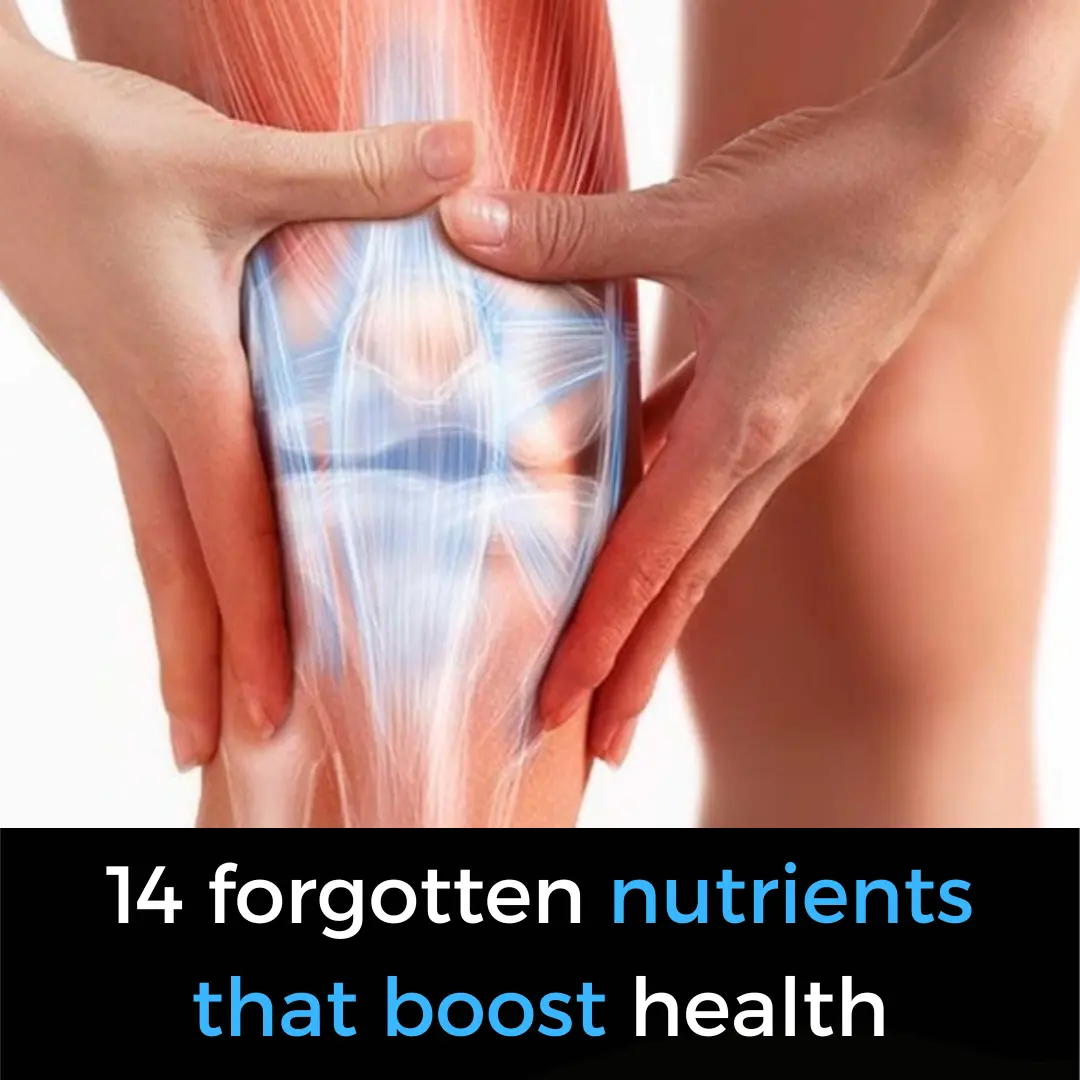
In the modern nutrition landscape, vitamins and minerals tend to dominate public attention, yet a variety of lesser-known nutrients play equally vital roles in human physiology. These “forgotten nutrients” support metabolism, cellular energy, detoxification, structural integrity, and mental well-being. Understanding their functions can help individuals make more informed dietary choices and address subtle deficiencies that often go unnoticed.
Choline is an essential nutrient found in egg yolks, liver, salmon, chicken, and soybeans. It supports the synthesis of acetylcholine—a neurotransmitter required for memory and muscle control—and plays a key role in maintaining liver health. Research demonstrates that inadequate choline intake increases the risk of fatty liver and muscle damage (Journal of the American College of Nutrition, 1999).
Betaine (TMG)—abundant in beets, spinach, quinoa, wheat bran, and shrimp—supports methylation pathways, assisting in liver detoxification and reducing homocysteine levels, a marker associated with cardiovascular risk (American Journal of Clinical Nutrition, 2004).
Taurine, commonly found in seafood, red meat, poultry, and dairy, helps regulate the nervous system and enhances cardiac and muscular performance. Studies suggest taurine supplementation improves exercise capacity and protects heart tissue from oxidative stress (Amino Acids Journal, 2012).
Glycine, obtained from bone broth, collagen, gelatin, and poultry skin, supports deep sleep and collagen production. It also contributes to detoxification via glutathione synthesis. Research has shown that glycine enhances sleep quality and reduces daytime fatigue (Sleep and Biological Rhythms, 2007).
PQQ (Pyrroloquinoline quinone) is present in fermented foods, green tea, soybeans, and kiwi. PQQ supports mitochondrial growth and long-term cellular energy. Clinical research has demonstrated improvements in energy, cognition, and reduced inflammation with PQQ supplementation (Journal of Nutritional Science and Vitaminology, 2009).
MSM (Sulfur)—from garlic, onions, broccoli, and eggs—has anti-inflammatory properties and promotes joint and skin repair. Its efficacy in reducing osteoarthritis symptoms is supported by controlled trials (Osteoarthritis and Cartilage, 2006).
Silica, found in oats, cucumbers, mineral water, bananas, and leafy greens, strengthens hair, nails, bones, and connective tissues. Silicon has been shown to support collagen synthesis and improve bone mineral density (Nutrition & Metabolism, 2013).
Copper peptides (GHK-Cu) occur naturally in shellfish, organ meats, nuts, seeds, and cocoa. They promote collagen formation and accelerate tissue repair. Research highlights their regenerative impact on skin aging and wound healing (Journal of Drugs in Dermatology, 2018).
Inositol, present in citrus fruits, beans, whole grains, and cantaloupe, assists in mood regulation, hormonal balance, and insulin signaling. Inositol—especially myo-inositol—has demonstrated significant benefits for anxiety and metabolic function (Journal of Clinical Psychopharmacology, 2001).
Vitamin K2 (MK-7), sourced from natto, egg yolks, grass-fed dairy, and aged cheese, directs calcium into bones rather than arteries. Its role in bone strength and cardiovascular protection is well documented (Thrombosis and Haemostasis, 2008).
Carnitine (L-carnitine)—found in red meat, lamb, poultry, fish, and dairy—facilitates fatty acid transport into mitochondria for energy production. Supplementation has been shown to improve exercise performance and reduce fatigue (Metabolism Journal, 2002).
Lithium (trace mineral) occurs naturally in mineral-rich water, vegetables, and grains. At microdoses, lithium supports mood stability and may reduce stress sensitivity. Observational studies highlight its correlation with improved mental health outcomes (British Journal of Psychiatry, 2011).
CoQ10, present in sardines, beef, organ meats, and peanuts, is crucial for mitochondrial function and heart protection. Levels decline with age, and supplementation improves cardiovascular health and energy metabolism (BioFactors, 1999).
Finally, N-acetylcysteine (NAC)—from poultry, yogurt, sunflower seeds, and lentils—is a precursor to glutathione, the body’s master antioxidant. NAC supports detoxification, lung health, and immune resilience, with proven benefits in respiratory conditions and oxidative stress reduction (Chest Journal, 2000).
Together, these often overlooked nutrients form a powerful foundation for optimal health. Incorporating them through whole foods—or supplements when appropriate—can enhance vitality, resilience, and long-term well-being.