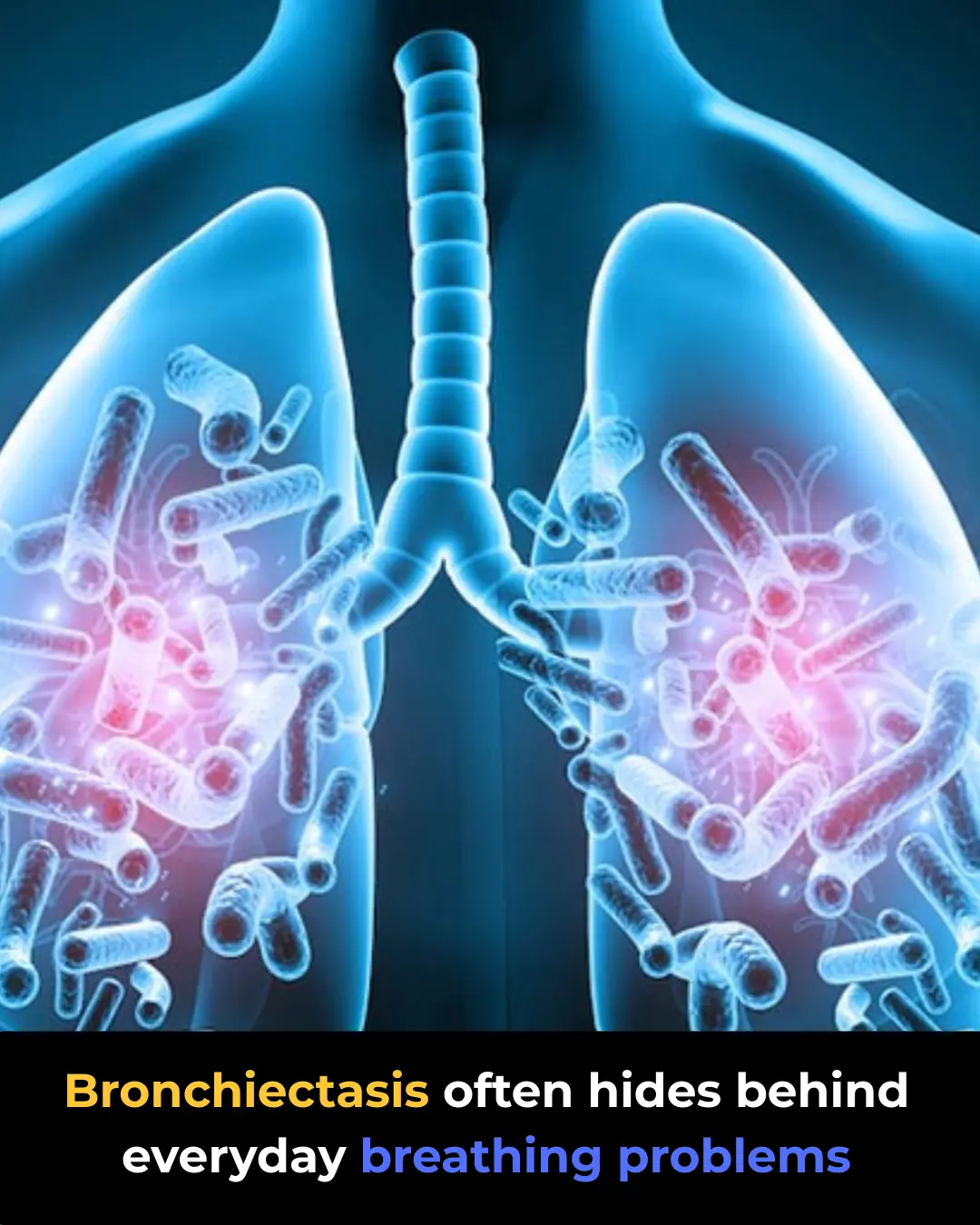
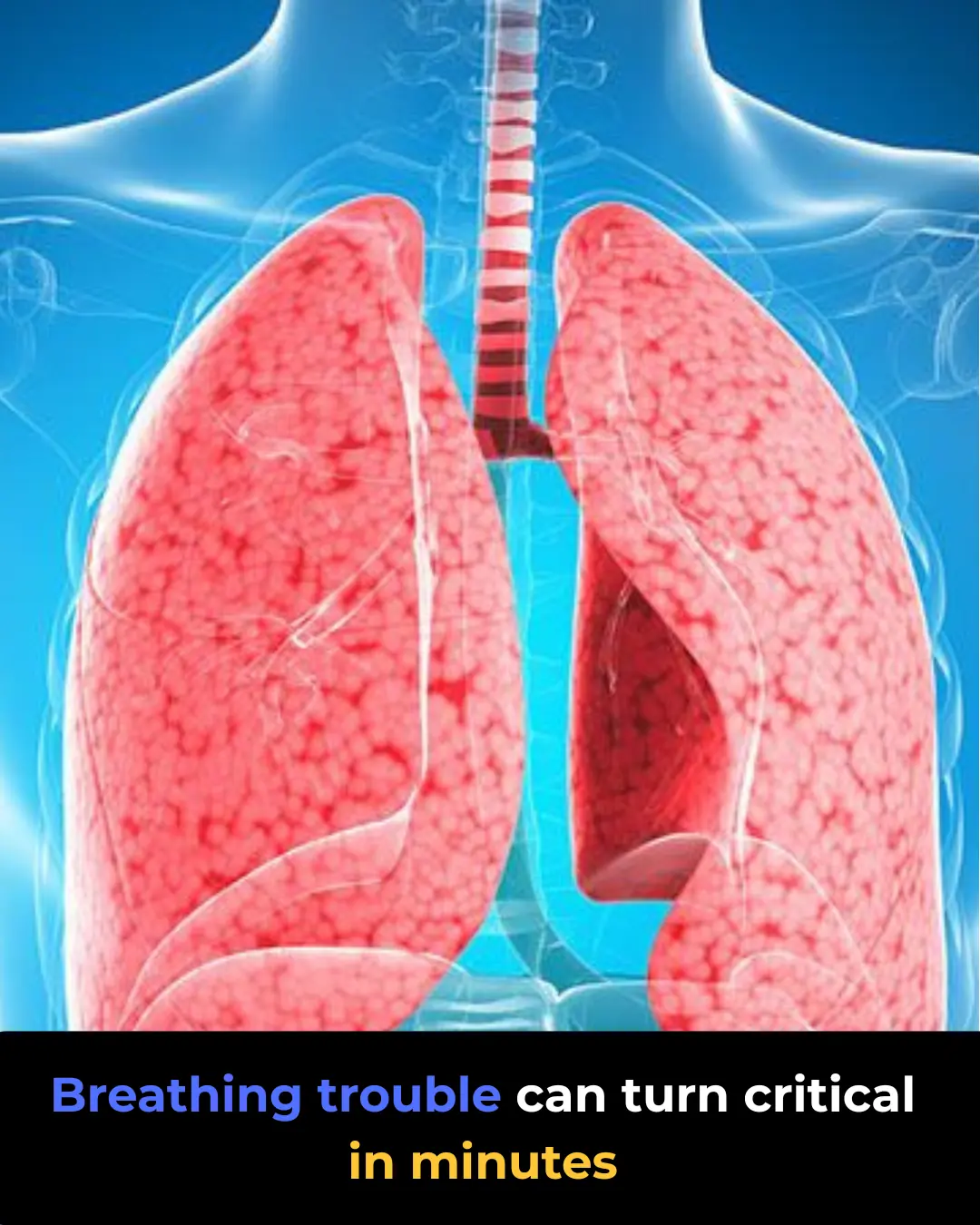
Lung infections are a major cause of illness worldwide, affecting people of all ages. They range from mild conditions that resolve on their own to severe infections that can become life-threatening if untreated.
Understanding the types of lung infections, their symptoms, and treatment options can help prevent complications and support faster recovery.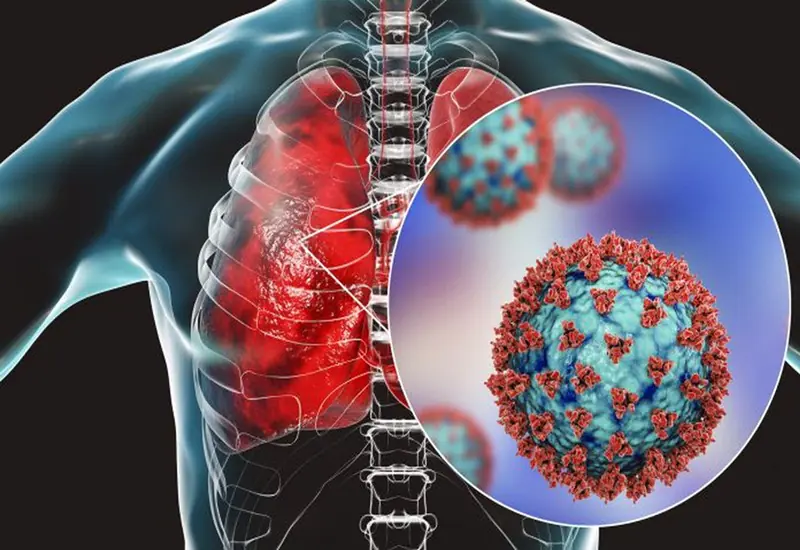
What Is a Lung Infection?
A lung infection occurs when bacteria, viruses, or fungi invade the lungs, causing inflammation of the airways and air sacs. This inflammation interferes with oxygen exchange, leading to breathing difficulties and systemic symptoms.
Common Symptoms of Lung Infections
Symptoms vary depending on the cause but often include:
-
Cough (dry or productive)
-
Fever and chills
-
Shortness of breath
-
Chest pain, especially when breathing deeply
-
Fatigue
-
Wheezing
-
Rapid breathing
In severe cases, confusion and bluish lips or fingers may occur.
Common Types of Lung Infections
1. Pneumonia
Pneumonia is an infection that inflames the air sacs in one or both lungs.
Causes:
-
Bacteria
-
Viruses
-
Fungi
Treatment depends on the cause and may include antibiotics, antivirals, rest, and oxygen therapy.
2. Bronchitis
Bronchitis involves inflammation of the bronchial tubes.
-
Acute bronchitis is often viral
-
Chronic bronchitis is usually linked to smoking
Treatment focuses on symptom relief, hydration, and avoiding irritants.
3. Tuberculosis
Tuberculosis (TB) is a bacterial infection that spreads through airborne droplets.
Symptoms include:
-
Persistent cough
-
Night sweats
-
Weight loss
-
Fever
TB requires long-term antibiotic therapy under medical supervision.
4. Viral Lung Infections
Viruses such as influenza and respiratory viruses can infect lung tissue.
Treatment is usually supportive:
-
Rest
-
Fluids
-
Fever management
Antibiotics are ineffective against viral infections.
5. Fungal Lung Infections
More common in people with weakened immune systems.
Treatment requires antifungal medications and careful monitoring.
How Lung Infections Are Diagnosed
Doctors may use:
-
Physical examination
-
Chest X-rays or CT scans
-
Blood tests
-
Sputum cultures
-
Oxygen level monitoring
Accurate diagnosis ensures appropriate treatment.
How Lung Infections Are Treated
1. Medications
-
Antibiotics for bacterial infections
-
Antivirals for specific viral infections
-
Antifungals for fungal infections
2. Supportive Care
-
Rest
-
Hydration
-
Fever control
-
Breathing treatments
3. Hospitalization
Severe cases may require:
-
Intravenous medications
-
Oxygen therapy
-
Mechanical ventilation
Who Is at Higher Risk?
-
Older adults
-
Young children
-
Smokers
-
People with chronic lung disease
-
Individuals with weakened immune systems
Vaccination significantly reduces risk.
Prevention Tips
-
Get vaccinated (flu, pneumonia)
-
Wash hands regularly
-
Avoid smoking
-
Maintain good nutrition
-
Seek early treatment for respiratory symptoms
When to Seek Medical Care
Seek urgent care if symptoms include:
-
Difficulty breathing
-
Chest pain
-
High fever lasting several days
-
Confusion or bluish skin
Final Thoughts
Lung infections are common but should never be ignored. Early recognition and proper treatment can prevent serious complications and protect long-term lung health. With medical care and preventive measures, most people recover fully and regain normal breathing.